The Ultimate Hospital Bag Snack List: High-Energy Foods for Labor




Editorial note: This article is researched from official public health and pregnancy food safety guidance, then edited by the PregnancyPlate team for clarity. It is not medical advice. If you are worried about symptoms or a specific exposure, contact your midwife, GP or healthcare provider.
Quick Overview: Labor is an athletic event, and so, you need to fuel it like one. While hospitals used to ban eating during labor, modern ACOG guidelines actually encourage light, high-energy snacks for low-risk pregnancies. Pack easily digestible carbs for early labor (like bananas and pretzels) and quick liquid energy for active labor (like coconut water and honey sticks). Avoid high-fat and acidic foods, as nausea and vomiting are very common during the transition phase.
Track Your Hospital Bag NutrientsI spend a great deal of time talking to expectant mothers about what to pack in their hospital bags. If you search online, most checklists focus heavily on fuzzy socks, organic lip balm, and the perfect neutral-toned outfit for a newborn coming home. But let me let you in on a clinical secret: giving birth is the physiological equivalent of running a marathon, and you would never attempt to run 26 miles without packing proper, strategic fuel.
Let’s talk about the old “ice chips only” rule in hospital maternity wards. For decades, if you were in labor, you were handed a cup of ice and told to suck on that, nothing more. This rule actually came from the 1940s, when doctors feared mothers might need emergency surgery and could choke if they’d eaten too much. But, thankfully, medicine has moved on (finally!). Nowadays, general anesthesia is almost never used for C-sections because of spinal blocks and epidurals. The American College of Obstetricians and Gynecologists (ACOG) has changed its tune, too: if your pregnancy is low-risk, you can (and should!) have clear liquids and light snacks in early labor. It’s not just permitted, it’s encouraged.
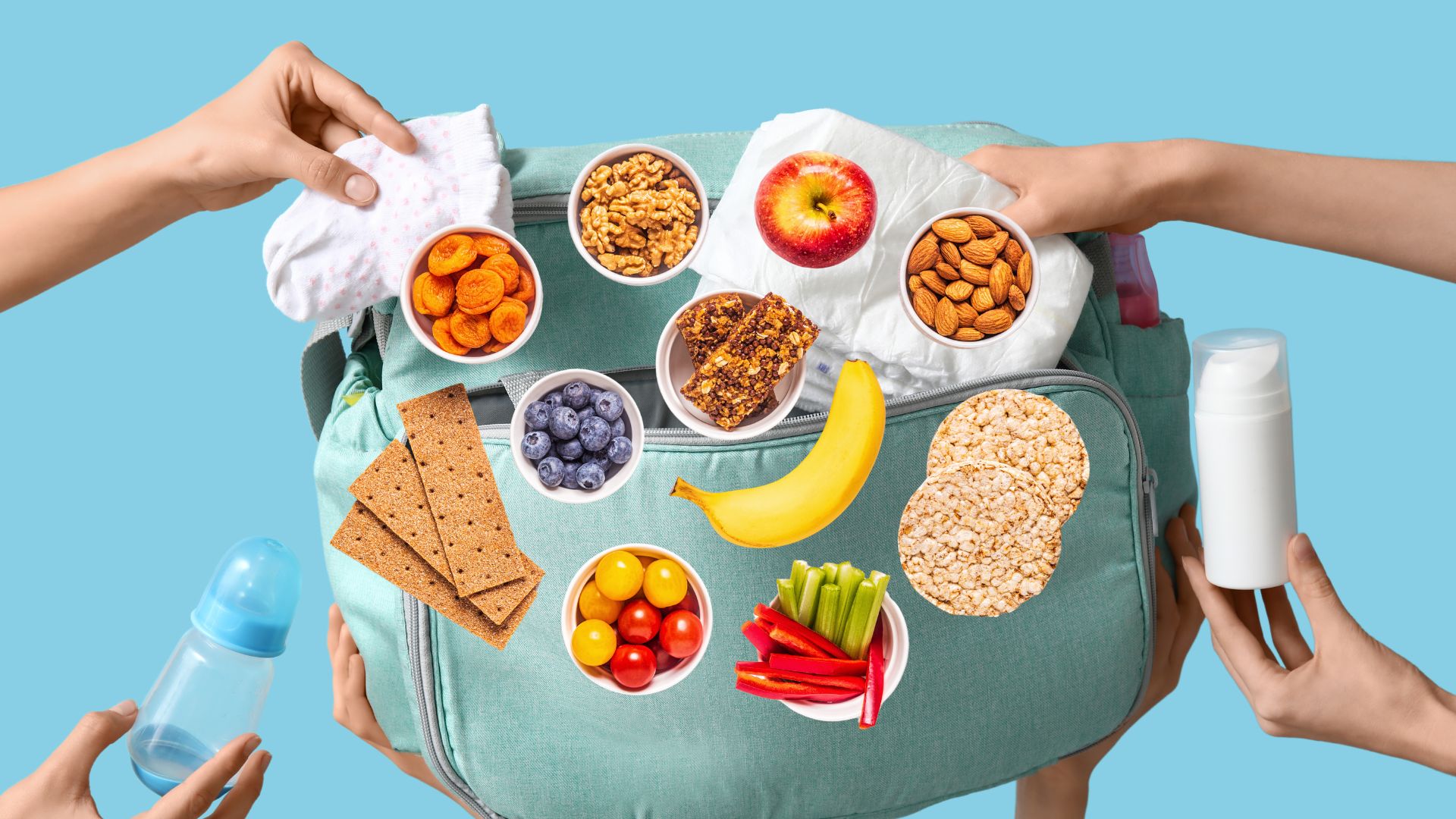
But what should you actually pack? Grabbing a bag of greasy potato chips or a heavy protein bar on your way to the maternity ward is a recipe for severe digestive disaster. You need strategic, targeted snacks that provide sustained muscular energy without upsetting a highly sensitive stomach. Here is the ultimate, dietitian-approved hospital bag snack list to get you to the finish line.
The Physiology of Labor Digestion
To really figure out what to eat, you need to know what your body is actually up to during birth. When contractions hit, your body does this weird thing where it stops caring about digestion and just goes all-in on getting the baby out. Blood gets pulled away from your stomach, straight to your uterus, and those muscles you didn’t even know you had.
This is why your stomach kind of. gives up for a bit. If you go for something heavy, think cheeseburger, or a handful of almonds that seemed like a good idea at the time, it just sits there. Not moving. Then, if labor pain ramps up, your body’s like, “No thanks,” and honestly, you might see it again (not in a fun way).
So, it’s all about simple carbs. Bananas, toast, stuff that doesn’t ask much of your stomach. Your muscles need glucose. If you run out, your uterus gets tired, and that can stall labor. Not what you want.
Phase 1: Early Labor (The "Carb Loading" Phase)
Early labor (from 0 to 6 centimeters dilated) can last for hours or even days. You might be laboring at home, bouncing on a yoga ball, or pacing the hospital hallways. During this phase, contractions are manageable, and you will likely still have a decent appetite. Your goal here is to consume foods that offer a steady, slow release of energy to build up your glycogen stores for the hard work ahead.
- Bananas: The undisputed champion of early labor foods. They are packed with simple carbohydrates for immediate energy and are loaded with potassium. Potassium is a critical electrolyte that helps prevent muscle cramps and maintain a stable heart rate. Furthermore, bananas have an incredibly mild odor, which is vital if your nausea starts to spike.
- Oatmeal or Porridge: If you are still at home and the contractions are mild, eat a small bowl of plain oatmeal. Oats provide brilliant, slow-release complex carbohydrates that will sustain your blood sugar for hours without spiking it.
- Plain Pretzels or Saltines: Hospital environments are dry, and you will be losing fluids. The salt on pretzels helps your cells retain water, preventing dehydration. Additionally, the dry, bland carbohydrates act like a sponge in your stomach, absorbing excess gastric acid and settling mild nausea.
- Toast with Honey: This is a simple, highly effective clinical hack. You get the complex carbohydrates from a slice of sourdough or whole wheat toast, paired with the rapid-acting simple sugars of the honey. It is a dual-action energy source that requires almost zero digestive effort.
- Applesauce Pouches: You want the organic toddler pouches. They require zero chewing, can be eaten while pacing the room, and provide an instant hit of fructose for your contracting muscles.
Phase 2: Active Labor (The Liquid Energy Phase)
When you transition into active labor (6 to 8 centimeters) and eventually the dreaded "transition" phase (8 to 10 centimeters), the game changes completely. Contractions are stacking on top of each other, the pain is intense, and you will likely lose all interest in chewing solid food. Nausea and vomiting are incredibly common clinical symptoms during transition. At this point, you need pure, rapid liquid energy.
- Honey Sticks: The holy grail of a dietitian-approved hospital bag. When you are exhausted, shaking from an adrenaline dump, and physically unable to chew, your birth partner can simply snip the top off a honey stick and squeeze it directly into your mouth. It provides an instant, pure hit of glucose straight into your bloodstream to power your uterus through the final pushes.
- Coconut Water: Labor makes you sweat intensely. You are losing massive amounts of sodium, magnesium, and potassium. Coconut water is nature's elite sports drink. It replaces these crucial electrolytes naturally, without the harsh, neon artificial dyes and excessive high-fructose corn syrup found in commercial sports drinks.
- Popsicles or 100% Fruit popsicles: Most maternity wards have a freezer you can access. Bring a box of popsicles made from 100% real fruit juice. The freezing cold temperature is incredibly soothing for a dry mouth and throat (especially if you have been doing "hee-hee-hoo" breathing for hours), and the fruit sugar gives you an immediate energy boost.
- Warm Bone Broth: If you have been in labor for 24 hours, you might feel completely and utterly depleted. A thermos of warm bone broth is a miracle worker. It provides bioavailable protein, collagen, and a massive hit of sodium to restore your cellular balance, all while acting like a comforting, easy-to-digest liquid.
- Clear Apple Juice: If water starts to taste metallic or makes you feel nauseous, diluted cold apple juice with 50% water is an excellent way to maintain hydration while slowly releasing glucose into your system.
What NOT to Pack (The Danger Zone)
Just as important as knowing what to pack is knowing exactly what to leave at home. Bringing the wrong snacks can turn a difficult labor into a digestive nightmare.
- Acidic Fruits (Oranges, Grapefruits, Pineapple): While they might sound refreshing in theory, the reality of labor involves immense abdominal pressure. This pressure often forces stomach acid back up your esophagus, causing severe acid reflux. Acidic citrus fruits will make this heartburn infinitely worse.
- Spicy Food: This should go without saying, but skip the spicy chips or heavily seasoned snacks. Vomiting spicy food during a contraction is an incredibly painful and distressing experience that you want to avoid at all costs.
- Heavy Dairy: Full-fat milk, heavy cheese sticks, and rich yogurts take a very long time for the body to break down. During intense physical exertion, dairy can curdle in your stagnant stomach, leading to severe cramping and vomiting.
- Nuts, Seeds, and High-Fat Bars: While almonds and chia seeds are fantastic healthy fats during your pregnancy, they are a terrible choice for the delivery room. Fats take the longest to digest of any macronutrient. Your body simply does not have the blood flow available in the stomach to process a high-fat protein bar while you are pushing a baby out. Save the nuts for your postpartum recovery.
The Hydration Station: Preventing a Labor Stall
Dehydration is the silent enemy of a smooth delivery. If your uterine muscles become dehydrated, they cannot contract effectively. In clinical settings, we often see maternal dehydration lead directly to a stalled labor, which then cascades into medical interventions like Pitocin to artificially force the contractions to restart.
You must keep a steady stream of fluids entering your body. However, chugging a massive bottle of plain water can instantly trigger the vagus nerve and cause you to throw up. The strategy is "Sip, Don't Chug." Bring a water bottle with a built-in straw so your partner can hold it to your mouth between contractions without you having to sit up. If plain water makes you nauseous, mix in an electrolyte powder (ensure it is low in artificial sweeteners) to make it more palatable and functional.
Don't Forget the Birth Partner's Survival Kit
I always issue a stern warning to my clients: you must pack a separate, well-stocked snack bag for your birth partner. Your partner needs to stay hyper-alert, physically strong, and emotionally present to advocate for you. If they pass out on the delivery room floor because their blood sugar has crashed after 16 hours of fasting, they become a medical liability to the nursing staff rather than a support system for you.
Your partner's bag should contain the dense, high-calorie foods that you cannot eat. Pack them beef jerky, heavy protein bars, trail mix, and caffeinated beverages. The Golden Rule for Partners: They must never pack anything with a strong, pungent odor. The smell of their garlic-flavored beef jerky or onion-dusted potato chips could instantly trigger a wave of nausea for the laboring mother. Stick to odorless, high-protein fuel.
The "Golden Hour" Meal: Post-Birth Replenishment
Once your beautiful baby is finally placed on your chest, the athletic event is over, but the recovery immediately begins. You have just lost blood, fluids, and burned thousands of calories. You will likely experience "the shakes," which is a physiological response to the massive adrenaline drop and hormonal shift.
While the hospital will likely offer you a dry turkey sandwich or a sad plate of scrambled eggs, you should pack a specific "Golden Hour" snack. You need iron to replenish blood loss and dense carbohydrates to stabilize your crashing blood sugar. Pack a bag of soft Medjool dates (which are incredible for postpartum bleeding), a high-quality peanut butter sandwich on soft bread, or a rich, dark chocolate bar. You've earned it.
Final Verdict: Control What You Can
Every single labor is a unique, unpredictable journey. You might meticulously pack an entire duffel bag full of perfectly curated clinical snacks, only to find that your body completely rejects the idea of food, and you survive entirely on hospital ice chips. That is completely fine and completely normal.
However, having high-energy, easily digestible fuel sitting on your bedside table gives you options. It gives you the best possible chance to maintain your muscular stamina during the most physically demanding, profound, and transformative event of your entire life.
Track your late-pregnancy nutrition with the PregnancyPlate app to ensure your iron and protein stores are fully stocked and resilient before you even grab your bag and head to the maternity ward.
Meet the Editorial Team
The researchers and experts behind PregnancyPlate.

Fiza Izra
Founder & Tech Researcher
A UK-based mother of 3 with a background in tech and data synthesis, Fiza brings real-world experience navigating hyperemesis gravidarum and postnatal depression. She engineers complex clinical guidelines (NHS, ACOG) into accessible tools, ensuring rigorous fact-checking with deep empathy.

Emma Davies
Prenatal Nutrition Editor
Emma translates dense public health and FDA guidelines into practical, everyday advice to help mothers navigate pregnancy food safety with confidence.