Iodine in Pregnancy: Why You Need It and Where to Find It
The essential mineral your thyroid needs to fuel your baby's brain development - and why many pregnant women are unknowingly deficient.
In this article
Editorial note: This article is researched from official public health and pregnancy food safety guidance, then edited by the PregnancyPlate team for clarity. It is not medical advice. If you are worried about symptoms or a specific exposure, contact your midwife, GP or healthcare provider.
Your thyroid might be a small gland in your neck, but during pregnancy it has an outsized job. It's working overtime to produce hormones that fuel your baby's brain and nervous system development. And it needs one specific mineral to do this: iodine.
Iodine deficiency is the leading preventable cause of intellectual disability worldwide. During pregnancy, even mild deficiency can affect your baby's IQ and cognitive development. Yet iodine is rarely discussed at antenatal appointments, and many pregnant women don't know if they're getting enough.
This guide will explain why iodine matters so much during pregnancy, how much you need, and the best food sources to ensure you and your baby are covered.
What Is Iodine and Why Does It Matter?
Iodine is a trace mineral - meaning you only need small amounts, but those small amounts are absolutely essential. Your body can't make iodine, so you must get it from food or supplements.
The Thyroid Connection
Nearly all the iodine in your body is concentrated in your thyroid gland. The thyroid uses iodine to produce hormones called T3 and T4. These hormones control:
- Metabolism - how your body uses energy
- Brain development - especially during pregnancy and infancy
- Growth - regulating how cells develop and mature
- Body temperature - maintaining proper heat regulation
During pregnancy, your thyroid hormone production increases by about 50% to meet your baby's needs. That means your iodine requirements increase too.
Why Iodine Is Critical During Pregnancy
Your Baby's Brain Development
Thyroid hormones are essential for brain development. In the first trimester, your baby depends entirely on your thyroid hormones - their own thyroid doesn't start functioning until around week 12-14.
Even after that, your baby continues to rely heavily on iodine crossing the placenta to make their own thyroid hormones. Iodine insufficiency during pregnancy can affect:
- Brain cell formation
- Neural connections and synapses
- Myelination (the protective coating around nerve fibres)
- Overall cognitive development
IQ and Cognitive Outcomes
Research consistently links maternal iodine status to children's cognitive outcomes:
The Lancet Study (2013): Children of mothers with mild iodine deficiency during pregnancy had significantly lower IQ scores at ages 8-9, even when the deficiency was subtle.
British cohort studies: Even in developed countries like the UK, mild iodine deficiency during pregnancy was associated with reduced reading ability and lower verbal IQ in children.
The effects are dose-dependent: The more severe the deficiency, the greater the impact on cognitive development.
Hearing and Motor Development
Severe iodine deficiency can cause a condition called cretinism, characterised by intellectual disability, hearing loss, and motor impairment. While severe deficiency is rare in developed countries, mild to moderate deficiency remains common and can still affect neurological development.
Thyroid Function
Pregnancy increases demands on your thyroid. Without adequate iodine:
- Your thyroid may enlarge (goitre)
- You may develop hypothyroidism (underactive thyroid)
- This can affect energy levels, weight management, and mood
How Much Iodine Do You Need?
The recommended daily intake of iodine changes throughout life:
- Non-pregnant adults: 150mcg
- Pregnant women: 220mcg
- Breastfeeding women: 290mcg
During pregnancy, your needs increase by about 50% compared to before pregnancy. This is because:
- Your thyroid hormone production increases significantly
- Iodine crosses the placenta to support your baby's thyroid and brain development
- Your kidneys excrete iodine more rapidly during pregnancy
Are You Getting Enough Iodine?
The Hidden Deficiency Problem
Iodine deficiency is more common than you might think, even in developed countries:
- The UK does not require iodisation of table salt (unlike many other countries)
- Many pregnant women in the UK have inadequate iodine status
- Modern diets often include less dairy and seafood than previous generations
- Organic produce and organic milk may contain less iodine than conventional options
Who Is at Higher Risk?
You may be at increased risk of iodine deficiency if you:
- Follow a vegan or vegetarian diet (especially if you avoid dairy)
- Don't eat seafood regularly
- Use non-iodised salt (sea salt, Himalayan salt, rock salt)
- Have coeliac disease or other digestive conditions
- Avoid dairy products due to allergies or intolerances
- Eat mainly organic produce (which may have lower iodine content)
Best Food Sources of Iodine
Iodine content in food varies significantly based on where the food was grown or raised, making precise recommendations challenging. However, some foods are consistently good sources.
Top Iodine-Rich Foods
- Seaweed (kelp), 1g dried: 16-2,984mcg (varies wildly)
- Cod, 3 oz: 99mcg
- Oysters, 3 oz: 93mcg
- Iodised salt, ¼ teaspoon: 76mcg
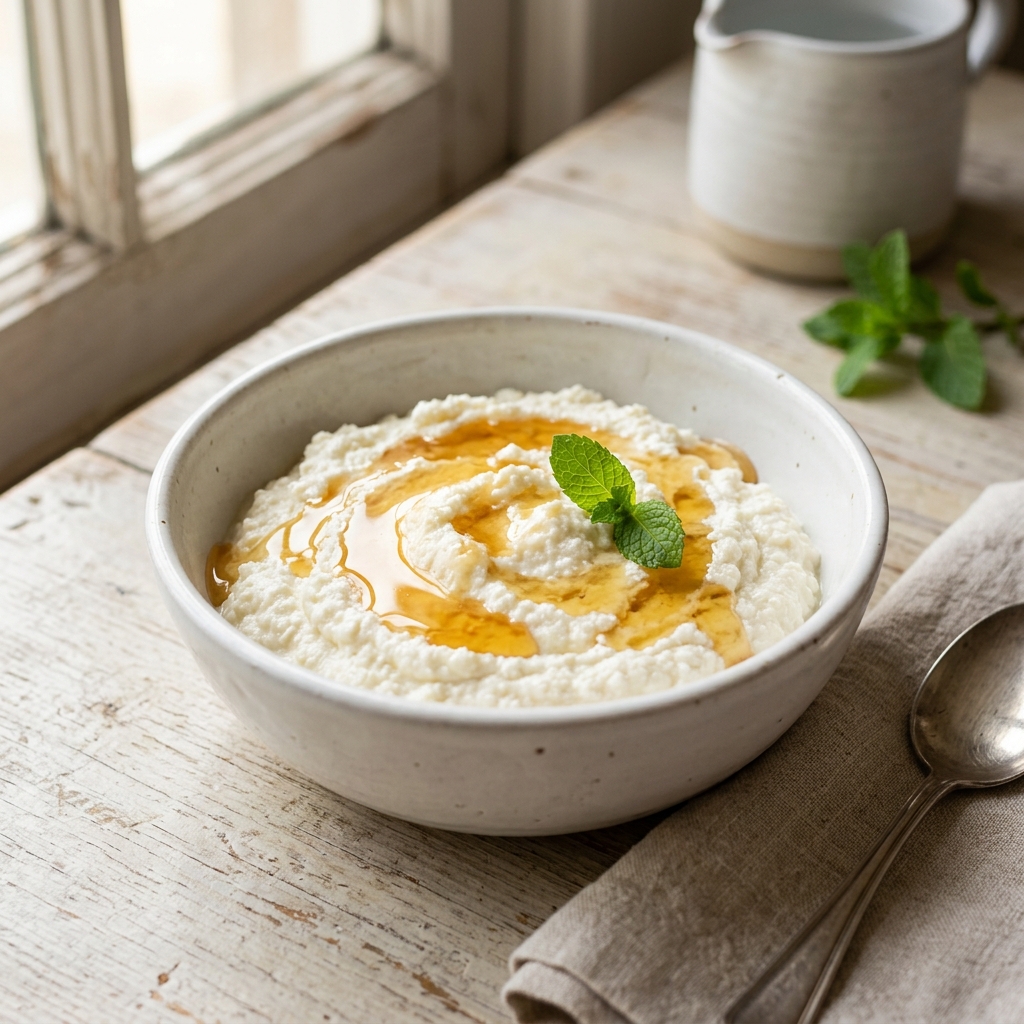
- Milk, 1 cup: 56-85mcg
- Greek yoghurt, 1 cup: 75mcg
- Shrimp, 3 oz: 35mcg
- Eggs, 1 large: 24mcg
- Tuna (tinned), 3 oz: 17mcg
- Cheese (cheddar), 1 oz: 12mcg
The Dairy Advantage
Dairy products are the primary iodine source for most people in the UK. This is because:
- Cattle feed is often supplemented with iodine
- Iodine-based sanitisers are used in dairy processing
- Milk provides a consistent, predictable iodine source
If you drink 2-3 glasses of milk daily and eat yoghurt or cheese, you're likely meeting much of your iodine needs.
Seafood
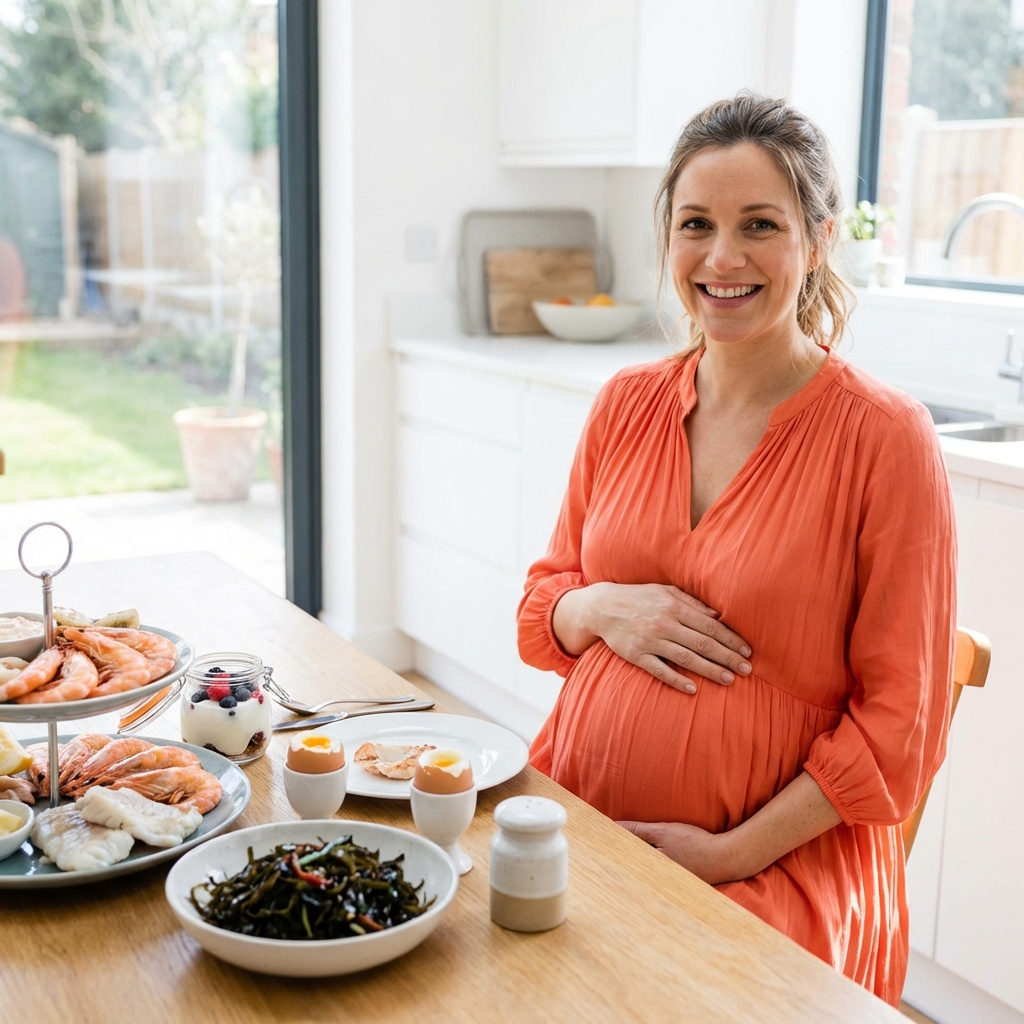
Fish and shellfish are naturally good iodine sources because they absorb iodine from seawater. White fish like cod and haddock are particularly high in iodine.
Pregnancy-safe seafood high in iodine:
- Cod, haddock, and other white fish
- Prawns and shrimp
- Tinned tuna (limit to 4 cans per week)
- Oysters (cooked only during pregnancy)
Seaweed: Handle With Care
Seaweed contains very high - but highly variable - amounts of iodine. This makes it tricky during pregnancy:
The problem: Some seaweed, particularly kelp, contains so much iodine that eating it regularly could push you into excess territory, which can also harm the thyroid.
Recommendation: Avoid kelp and kelp supplements during pregnancy. If you enjoy other seaweed (like nori in sushi), limit consumption to 2-3 times per week.
Iodised Salt
In many countries, table salt is iodised (fortified with iodine). This is an effective public health measure:
- ¼ teaspoon of iodised salt provides about 76mcg iodine
- However, the UK doesn't mandate salt iodisation
- "Sea salt," "Himalayan salt," and "rock salt" are NOT iodised unless specifically labelled
Practical tip: Switch to iodised table salt for cooking and seasoning if you're not getting enough iodine from other sources. Look for salt specifically labelled "iodised."
Iodine for Vegetarians and Vegans
Meeting iodine needs on a plant-based diet requires extra attention.
Vegetarian Sources
If you eat dairy and eggs, you can meet iodine needs through:
- 2-3 servings of milk/yoghurt daily (~150-200mcg)
- Eggs (24mcg each)
- Cheese
- Iodised salt
Vegan Sources
Vegans face a significant challenge because:
- Dairy (the main iodine source for most people) is excluded
- Plant foods are unreliable iodine sources (content depends on soil)
- Seaweed is too variable to rely on safely
Vegan recommendation: Take an iodine supplement containing 150-200mcg daily. Many vegan prenatal vitamins include iodine - check your label.
A Note on Plant Milks
Most plant milks (oat, almond, soy, coconut) contain little to no iodine unless fortified. Check the label - some brands now add iodine, but many don't.
Iodine and Your Prenatal Vitamin
Check Your Prenatal
Not all prenatal vitamins contain iodine. Check your label for:
- Potassium iodide or potassium iodate - standard supplemental forms
- Aim for 150-200mcg from your prenatal
If your prenatal doesn't contain iodine (or contains less than 150mcg), you may need a separate iodine supplement or need to be more diligent about dietary sources.
Safety and Upper Limits
The tolerable upper limit for iodine during pregnancy is 1,100mcg per day. Exceeding this level can actually harm thyroid function.
Normal dietary intake plus a standard supplement (150-200mcg) is well within safe limits. The main risk is from kelp supplements or excessive seaweed consumption.
Sample Day: Meeting Iodine Needs
Sample Iodine-Rich Day
Breakfast: Greek yoghurt with fruit: ~75mcg iodine
1 egg: 24mcg
Lunch: Cheese and vegetable sandwich: ~15mcg
Glass of milk: ~70mcg
Dinner: Grilled cod (4 oz): ~130mcg
Vegetables with a pinch of iodised salt: ~15mcg
Daily Total: ~329mcg ✓
Alternatively, if you don't eat seafood regularly, you can meet needs through:
- 2-3 servings of dairy daily (~200mcg)
- Eggs (~25-50mcg)
- Iodised salt in cooking (~75-150mcg)
- Prenatal vitamin with iodine (~150mcg)
Practical Tips for Adequate Iodine
- Include dairy daily - Milk, yoghurt, and cheese are reliable iodine sources
- Eat fish 2-3 times per week - White fish is especially high in iodine
- Switch to iodised salt - Use it for cooking and seasoning instead of sea salt
- Check your prenatal - Make sure it contains 150-200mcg iodine
- Be careful with seaweed - Moderate nori is fine; avoid kelp
- If vegan, supplement - You'll likely need a dedicated iodine supplement
Frequently Asked Questions
Can you have too much iodine?
Yes. Excessive iodine (above 1,100mcg daily) can actually cause or worsen thyroid problems. This is mainly a concern with kelp supplements or very high seaweed consumption.
Is iodine in prenatal vitamins enough?
If your prenatal contains 150-200mcg iodine AND you eat dairy or fish regularly, you're likely meeting your needs. If your prenatal contains no iodine, you'll need to focus on dietary sources or add a separate supplement.
Does organic milk contain less iodine?
Studies suggest organic milk may contain slightly less iodine than conventional milk because organic farming standards restrict iodine supplementation in cattle feed. However, organic milk still provides meaningful amounts.
Should I avoid all seaweed during pregnancy?
No, but be selective. Nori (used in sushi rolls) is relatively low in iodine and safe in moderation. Kelp is extremely high and should be avoided during pregnancy.
When should I start focusing on iodine?
Ideally before conception - adequate iodine status from the start of pregnancy supports early brain development. But it's important throughout pregnancy, especially in the first half when your baby's brain is developing most rapidly.
The Bottom Line
Iodine is essential for your baby's brain development, yet it's often overlooked in pregnancy nutrition discussions. Your thyroid needs iodine to produce hormones that fuel your baby's cognitive development - and mild deficiency can affect IQ and learning ability.
Key Takeaways:
- ✓ Pregnant women need 220mcg iodine daily - 50% more than usual
- ✓ Dairy products are the main iodine source for most people
- ✓ Fish is an excellent iodine source - eat it 2-3 times weekly
- ✓ Switch to iodised salt if you don't eat much dairy or seafood
- ✓ Check your prenatal vitamin for 150-200mcg iodine
- ✓ Vegans should supplement - plant foods are unreliable iodine sources
- ✓ Avoid kelp and kelp supplements during pregnancy
Taking iodine seriously is one of the simplest ways to support your baby's brain development. Make sure you're getting enough.
Related Reading
See also: Choline: The Forgotten Nutrient for Baby's Brain, Omega-3 During Pregnancy, Can I Eat Tuna While Pregnant?, and Can Pregnant Women Eat Sushi?.
Download PregnancyPlate to track your iodine intake with personalised insights.
Disclaimer: This article is for informational purposes only. Always consult your healthcare provider about your dietary needs during pregnancy.
Meet the Editorial Team
The researchers and experts behind PregnancyPlate.

Fiza Izra
Founder & Tech Researcher
A UK-based mother of 3 with a background in tech and data synthesis, Fiza brings real-world experience navigating hyperemesis gravidarum and postnatal depression. She engineers complex clinical guidelines (NHS, ACOG) into accessible tools, ensuring rigorous fact-checking with deep empathy.

Emma Davies
Senior Nutrition Editor
A mum and writer, Emma runs our food safety desk. She is the one who rings the restaurant to ask how long the lettuce sits out, checks every claim against CDC, FDA and NHS guidance, and rewrites the answer until it is usable at 9pm in a drive-thru queue.