Is Pineapple Safe During Pregnancy? Separating the Myth from the Facts
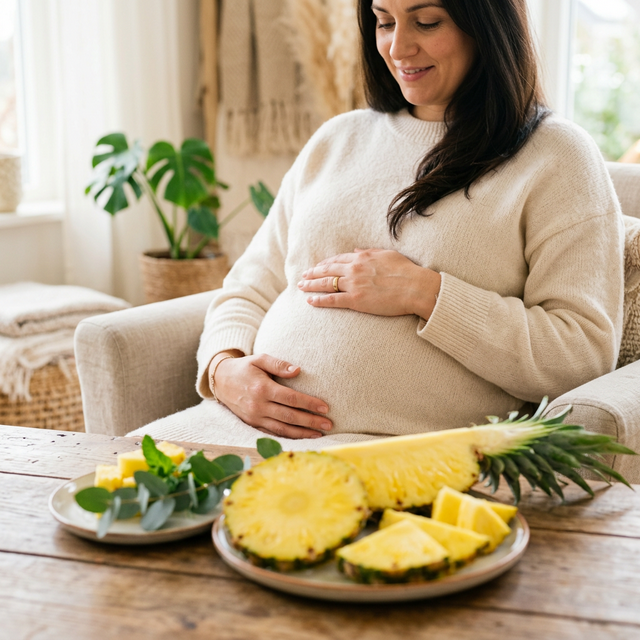
Craving pineapple but worried about the rumours that it causes early labour or miscarriage? We break down the science behind the bromelain myth, explore the remarkable nutritional benefits of this tropical fruit for your developing baby, and explain exactly how to safely enjoy pineapple throughout all three trimesters.
In this article
Editorial note: This article is researched from official public health and pregnancy food safety guidance, then edited by the PregnancyPlate team for clarity. It is not medical advice. If you are worried about symptoms or a specific exposure, contact your midwife, GP or healthcare provider.
The Pineapple Pregnancy Myth: Why Are We So Afraid?
If you have recently announced your pregnancy and mentioned a craving for fresh, juicy pineapple, there is a very high chance a well-meaning relative, friend, or overly enthusiastic internet forum member has dramatically warned you to stay away from it. The rumour that eating pineapple can cause early labour, or terrifyingly, a miscarriage, is one of the most pervasive and stubborn myths in modern pregnancy culture.
Your next meal, a little less guesswork.
Scan your plate for pregnancy food-safety guidance and a nutrition breakdown. Keep your meals and nutrient progress in one place.
 Scan with your iPhone
to get the app
The logic behind the rumour sounds vaguely scientific at first glance, which is why it continues to trick so many expecting mothers. The fear stems from a specific enzyme naturally found in pineapple called bromelain. Bromelain is a type of proteolytic enzyme, meaning its primary job is to break down proteins. In fact, it is so effective at breaking down proteins that the culinary world frequently uses pineapple juice as a meat tenderizer.
The leap in logic goes like this: your cervix and surrounding tissues are made of proteins. If bromelain breaks down proteins, eating pineapple will "tenderize" your cervix, leading to softening, premature dilation, and early labour.
But how much of this is actually grounded in medical science, and how much is pure folklore? It is time to look at the hard data, because denying yourself this delicious, nutrient-packed fruit out of fear is doing a massive disservice to your pregnant body.
The Science of Bromelain: What Actually Happens When You Eat It
To put your mind completely at ease, let’s dismantle the bromelain myth step by step. Yes, pineapple contains bromelain. Yes, bromelain breaks down proteins. But what happens when you actually consume it?
It Stays in Your Digestive Tract
Your digestive system is a marvel of evolutionary engineering. When you eat a piece of pineapple, the bromelain does not magically absorb whole into your bloodstream and travel directly to your cervix. Like all proteins and enzymes, it hits the intensely acidic environment of your stomach. There, your own digestive enzymes and stomach acids rapidly break the bromelain down into its constituent amino acids. By the time it is absorbed into your bloodstream, it is no longer active bromelain; it is just standard amino acids, which your body then uses to build new cells for your baby.
The Concentration is Found in the Core
Even if bromelain could survive the digestive tract, the amount present in the edible flesh of the pineapple is incredibly small. The vast majority of bromelain in a pineapple is heavily concentrated in the hard, fibrous core - the exact part that almost everyone throws away or composts.
🍍 The "Seven Pineapple" Rule
Medical experts and obstetricians have mathematically calculated the risk. To consume enough active bromelain to even theoretically begin impacting your cervix or stimulating uterine contractions, an expecting mother would need to consume between seven to ten entire, large, fresh pineapples (including the hard core) in a single sitting.
Eating that volume of pineapple wouldn't just be difficult; it would result in catastrophic diarrhea and a severely raw, bleeding mouth long before it ever triggered labour. A normal serving of one or two cups of fresh pineapple flesh is completely, fundamentally safe.
The Remarkable Nutritional Benefits of Pineapple During Pregnancy
Now that we have established that a moderate serving of pineapple will absolutely not trigger premature labour, we can talk about why you should be eating it. Pineapple is an absolute nutritional powerhouse, delivering exactly the micronutrients your body is desperate for during the cellular marathon of pregnancy.
Massive Vitamin C Boost
Just one single cup of fresh pineapple chunks provides roughly 100% of your daily required Vitamin C. Why is this critical? Firstly, Vitamin C is necessary for the production of collagen, the structural protein that builds your baby’s skin, bones, cartilage, and tendons. Secondly, pregnancy naturally dampens your immune system so your body does not reject the fetus. This makes you highly susceptible to every minor cold and flu that passes by. A robust daily intake of Vitamin C equips your compromised immune system with the antioxidants needed to fight off seasonal illnesses.
Supercharging Your Iron Absorption
Pregnancy expands your blood volume by an astonishing 50%. To create that massive amount of new blood, your body needs enormous amounts of iron. However, iron - especially the non-heme iron found in plant foods like spinach and lentils - is notoriously difficult for the human digestive tract to absorb. The secret weapon? Vitamin C. Consuming Vitamin C alongside an iron-rich meal can increase your iron absorption by up to exactly six times! Eating a few pieces of fresh pineapple directly after a bowl of lentils or a spinach salad is a brilliant, delicious strategy to prevent pregnancy-induced anemia.
Hydration and Natural Electrolytes
Staying adequately hydrated during pregnancy is a constant, exhausting battle. You require extra fluids to support the massive increase in blood volume, the formation of the amniotic fluid, and the flushing of metabolic waste for both you and the baby. Pineapple is roughly 86% water. Furthermore, it contains vital natural electrolytes like potassium, which actively helps balance fluids in the body, potentially reducing the agonizing swelling (edema) in your ankles and feet during the third trimester.
A Rich Source of Folate
While the first trimester is generally when Folate (Folic Acid) is most heavily emphasized to prevent neural tube defects, your body still requires a continuous supply throughout the entire pregnancy to support rapid cell division. Pineapple provides a solid, natural dose of maternal folate, making it an excellent addition to your rotation of fruits.
The Catch: Heartburn and Gestational Diabetes
While pineapple is incredibly safe and overwhelmingly beneficial, there are two distinct, highly common pregnancy symptoms that require you to eat it strategically.
The Acid Reflux Reality
By the second and third trimesters, the pregnancy hormone progesterone has deeply relaxed the sphincter at the top of your stomach, and your rapidly expanding uterus is aggressively pushing your stomach upwards. The result is agonizing, fiery heartburn. Pineapple is highly acidic (with a pH around 3.5 to 4). For many women, consuming acidic fruit on an empty stomach is an instant trigger for severe acid reflux.
The Solution: Do not eat pineapple alone, and never eat it right before lying down to sleep. Pair the fruit with a dairy or fat source to buffer the acidity. Stirring fresh pineapple into full-fat Greek yogurt, or serving it alongside a slice of cheese, can dramatically soften the acidic impact on your stomach lining.
Blood Sugar Spikes and Gestational Diabetes
Pineapple is incredibly sweet because it is dense in natural fructose. A single cup of pineapple chunks contains roughly 16 grams of sugar. If you are actively managing Gestational Diabetes (GD), eating a large bowl of pineapple by itself is practically guaranteed to spike your blood glucose levels rapidly.
The Solution: You do not need to ban pineapple if you have GD, but you absolutely must practice "macro-pairing." This means you deliberately pair the carbohydrate (the pineapple) with a dense protein and a healthy fat. The protein and fat physically slow down the digestive process, preventing the sugar from rushing into your bloodstream all at once. Try:
- Three small chunks of pineapple served over 1/2 cup of high-protein cottage cheese.
- A small handful of pineapple paired with a handful of raw almonds or walnuts.
- Adding a few pieces of pineapple to a savory chicken and vegetable stir-fry.
Fresh vs. Canned Pineapple: Does the Format Matter?
When you head to the grocery store, you might wonder if it matters how you buy your fruit. The format of the pineapple drastically changes its nutritional profile.
Fresh Pineapple: This is the absolute gold standard. It contains the highest levels of Vitamin C and completely intact dietary fiber. It is deeply hydrating and free of any added artificial sugars.
Canned Pineapple in Heavy Syrup: This is best treated as a dessert, not a daily nutritional staple. The "heavy syrup" is essentially concentrated liquid sugar. If you must buy canned pineapple, obsessively check the label and only purchase the varieties that state "canned in 100% natural fruit juice" or "canned in water," and always thoroughly drain the liquid before eating.
Pineapple Juice: When you juice a pineapple, you violently strip away the physical cellular structure of the fruit - the dietary fiber. Without fiber to slow down absorption, a glass of pineapple juice hits your bloodstream with the same intense glycemic spike as a glass of soda. While it is completely safe from a toxicity standpoint, drinking significant amounts of fruit juice during pregnancy is a fast track to volatile blood sugar crashes, worsened nausea, and excessive weight gain. Eat the whole fruit; skip the juice.
Frequently Asked Questions About Pineapple and Pregnancy
Is it true pineapple can induce labour if I am overdue?
As discussed, the bromelain myth is entirely unsupported by science for inducing early labour. The same holds true when you are 40 weeks pregnant and desperate to meet your baby. Eating massive, uncomfortable amounts of pineapple will not magically trigger uterine contractions. It will, however, likely give you severe heartburn and diarrhea. If you are overdue, stick to proven methods like walking, staying active, and consulting with your medical provider.
Can I eat pineapple pizza?
Apart from the raging cultural debate on whether pineapple intrinsically belongs on pizza, from a pregnancy safety perspective, it is unequivocally safe. In fact, baking the pineapple destroys the minute traces of the bromelain enzyme anyway. Furthermore, pairing the fruit with the intense fat of the mozzarella cheese (yes, fully cooked mozzarella is safe) brilliantly blunts the blood sugar spike from the fruit's natural sugars.
What if pineapple makes my mouth raw and bleeding?
That tingling, mildly painful, or outright raw sensation on your tongue and the roof of your mouth after eating fresh pineapple is actually the bromelain actively attempting to break down the surface proteins of your mouth! It is essentially "eating you back." While highly uncomfortable, it is completely harmless. To prevent this, either grill or cook the pineapple (which permanently denatures the enzyme), or pair it heavily with dairy, which gives the bromelain alternative proteins to break down rather than your delicate oral tissue.
The Bottom Line
The prohibition against eating pineapple during pregnancy is an enduring, completely baseless myth built on a misunderstanding of how human digestion processes natural enzymes. You would have to consume an unimaginably massive, physically impossible amount of pineapple flesh and core to even remotely threaten your pregnancy.
In reality, moderate, daily consumption of fresh pineapple is an incredibly smart, strategic addition to your pregnancy diet. The intense surge of Vitamin C will powerfully build your baby’s structural collagen and protect your suppressed immune system, while the natural complex carbohydrates provide essential, clean energy when you are exhausted.
So, the next time someone urgently tells you to step away from the fruit platter at a summer barbecue, politely thank them for their concern, explain the science of stomach acid violently destroying the bromelain enzyme, and confidently enjoy your fruit.
🍍 Eat Fearlessly with PregnancyPlate
Tired of falling down terrified Google rabbit holes every time you crave a new food? The barrage of conflicting, anxiety-inducing pregnancy diet advice ends here.
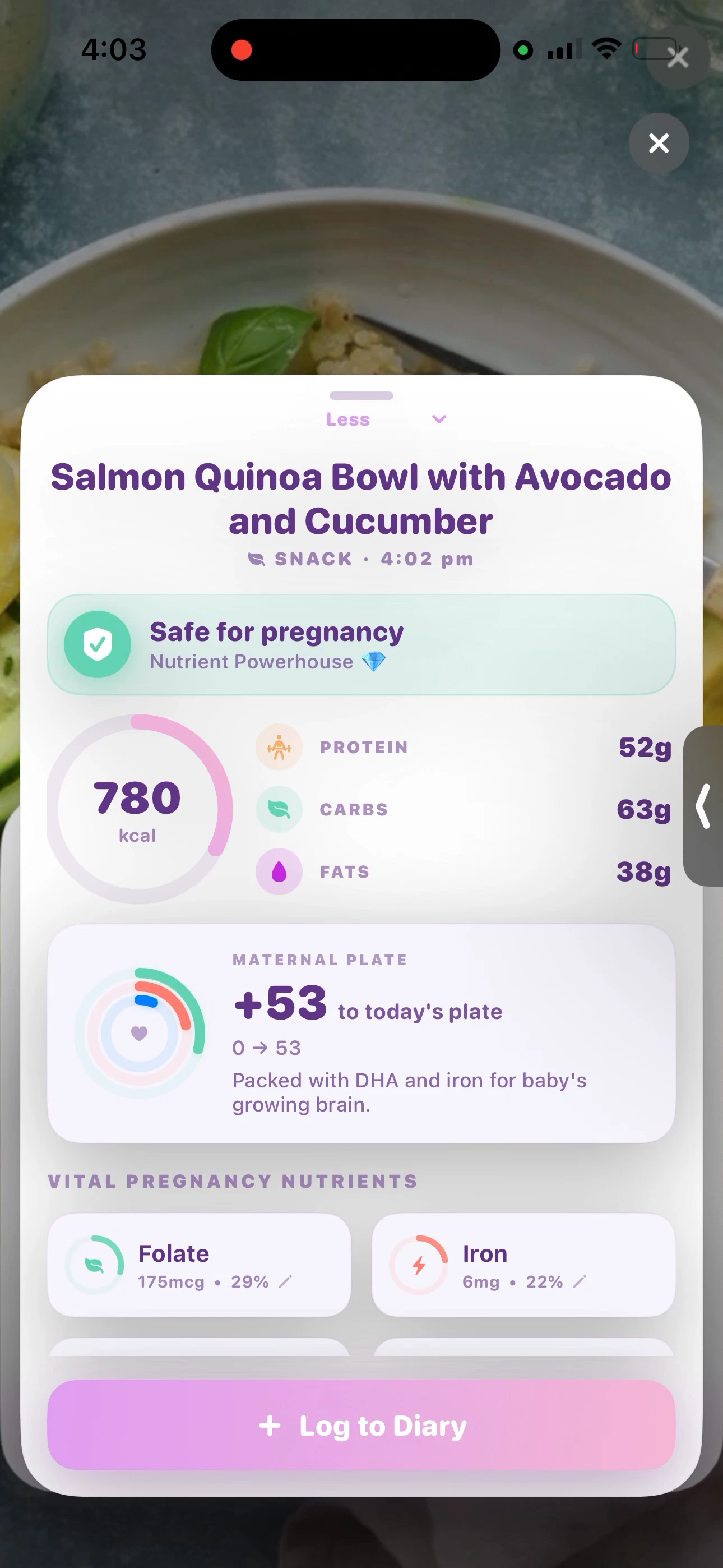
The PregnancyPlate app acts as your instantaneous, evidence-based pocket nutritionist. Simply take a rapid photo of your meal, and our cutting-edge AI will actively scan every ingredient. You will receive an immediate safety clearance based exclusively on strict, modern ACOG and NHS guidelines, plus a detailed breakdown of the exact essential nutrients your baby is absorbing from that specific meal.
Download PregnancyPlate and Eat With ConfidenceMeet the Editorial Team
The researchers and experts behind PregnancyPlate.

Fiza Izra
Founder & Tech Researcher
A UK-based mother of 3 with a background in tech and data synthesis, Fiza brings real-world experience navigating hyperemesis gravidarum and postnatal depression. She engineers complex clinical guidelines (NHS, ACOG) into accessible tools, ensuring rigorous fact-checking with deep empathy.

Emma Davies
Senior Nutrition Editor
A mum and writer, Emma runs our food safety desk. She is the one who rings the restaurant to ask how long the lettuce sits out, checks every claim against CDC, FDA and NHS guidance, and rewrites the answer until it is usable at 9pm in a drive-thru queue.
Make sense of every plate.
Scan your plate for pregnancy food-safety guidance and a nutrition breakdown. Keep your meals and nutrient progress in one place.
Scan with your iPhoneto get the app