Can You Eat Shrimp Tempura While Pregnant? (Cooked Sushi Roll Safety Guide)
Is shrimp tempura sushi completely safe? We audit the heat-kill temperatures of deep frying, shrimp mercury levels, and the hidden risks of raw fish cross-contamination.
In this article
Editorial note: This article is researched from official public health and pregnancy food safety guidance, then edited by the PregnancyPlate team for clarity. It is not medical advice. If you are worried about symptoms or a specific exposure, contact your midwife, GP or healthcare provider.
Quick Answer: Yes. Shrimp tempura, and shrimp tempura sushi rolls, are entirely safe during pregnancy. Because the shrimp is deep-fried at high temperatures, all risks of listeria and foodborne parasites are completely eliminated. Furthermore, shrimp is one of the lowest-mercury seafoods available. The only major caution is cross-contamination from raw sushi at the preparation station.
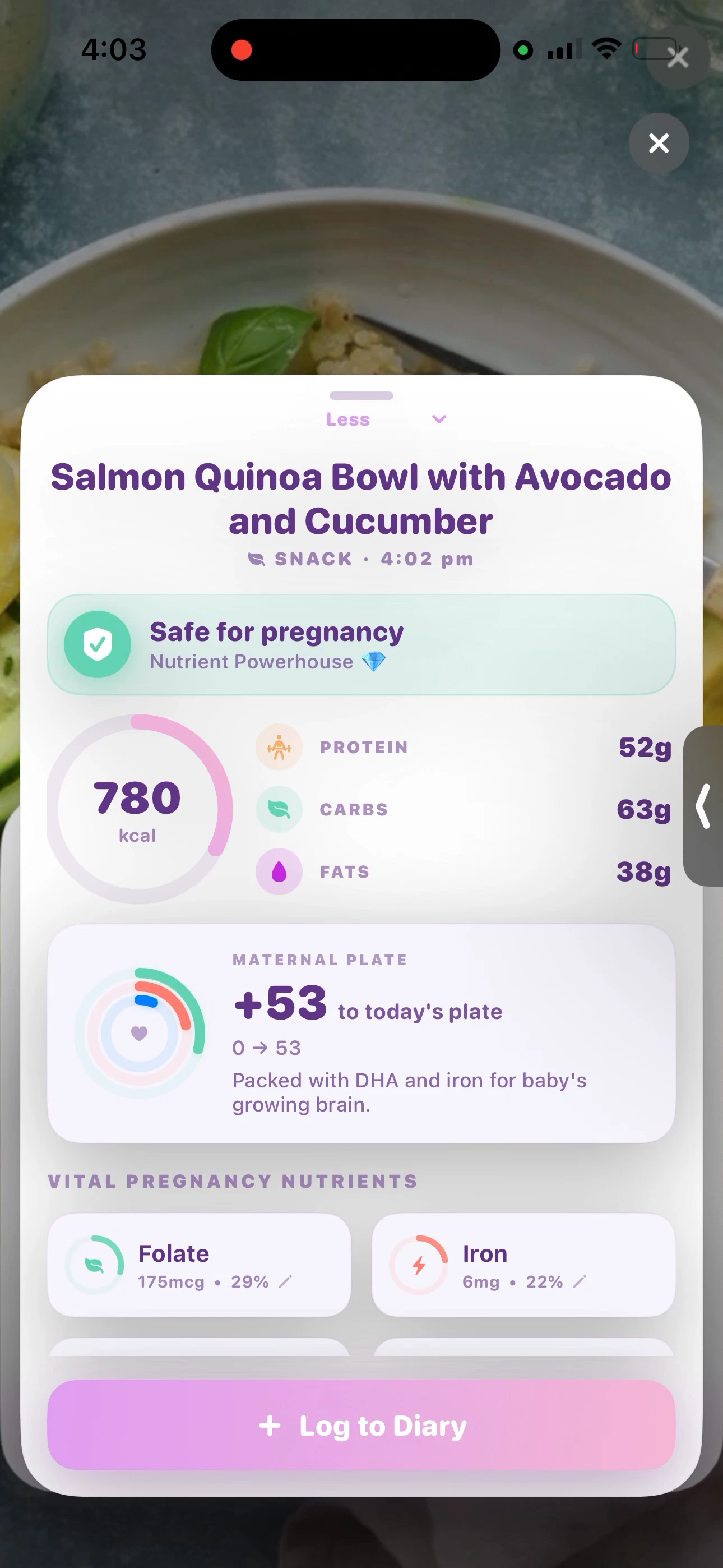
Track Your Safe Sushi on PregnancyPlateYour next meal, a little less guesswork.
Scan your plate for pregnancy food-safety guidance and a nutrition breakdown. Keep your meals and nutrient progress in one place.
 Scan with your iPhone
to get the app
Navigating a sushi menu when you are pregnant can feel like trying to defuse a bomb. In 2026, the guidance around raw fish has never been stricter, and the fear of listeria, salmonella, and parasitic infections keeps many expectant mothers away from Japanese restaurants entirely. But should you banish sushi completely? Absolutely not. While certain raw delicacies like sashimi and nigiri are off the table, the "cooked" section of the menu is full of completely safe, highly nutritious options.
At the very top of that safe list sits one of the most universally loved sushi varieties in the world: The Shrimp Tempura Roll. It provides the satisfying crunch, the savory umami of eel sauce, and the starchy comfort of sushi rice, all without the anxiety of consuming raw seafood. But is it genuinely 100% safe for fetal development? Does the deep-frying process introduce new risks? And how do you navigate the often-overlooked danger of cross-contamination?
In this clinical audit, We analyze the "heat kill" mechanics of deep frying, the impressive mercury profile of shrimp, the hidden ingredients in spicy mayo, and the exact script you should use when ordering from a sushi chef to guarantee your meal is unequivocally safe.
The "Heat Kill" Factor: Why Tempura is Bulletproof
The primary reason raw seafood is restricted during pregnancy is the risk of bacterial and parasitic contamination - specifically, Listeria monocytogenes, Salmonella, and marine parasites like tapeworms. To neutralize these microscopic threats, clinical guidelines from the FDA and the American College of Obstetricians and Gynecologists (ACOG) mandate that all seafood consumed by pregnant women must reach a minimum internal temperature of 145°F (63°C).
Shrimp tempura does not merely reach this temperature; it obliterates it.
The Frying Science: To achieve that signature light, shattering crunch, tempura batter must be plunged into oil that is heated to between 340°F and 360°F (170°C - 180°C). Even though the shrimp spends only a few minutes in the fryer, the extreme external heat rapidly drives the internal core temperature of the shrimp well past the 145°F safety threshold. At these temperatures, the structural proteins of listeria and parasites are instantly denatured and destroyed. From a purely microbiological standpoint, fresh shrimp tempura is one of the safest proteins you can consume.
Mercury Auditing: Is Shrimp Safe?
The second major concern with pregnancy seafood is methylmercury contamination. Mercury is a heavy metal neurotoxin that can cross the placental barrier and affect fetal brain development, leading to long-term cognitive and fine motor skill deficits. This is the precise reason why predatory fish like Bigeye Tuna, Swordfish, and King Mackerel are strictly forbidden.
However, shrimp is on the opposite end of the spectrum. Because shrimp are small, short-lived crustaceans that sit near the bottom of the oceanic food chain, they do not biomagnify mercury. According to 2026 data from the FDA's persistent seafood monitoring program, the average serving of shrimp contains less than 0.01 parts per million (ppm) of mercury. To put that in perspective, Albacore Tuna contains roughly 0.32 ppm (32 times more).
Weekly Serving Limits
Because shrimp is classified as a "Best Choice" seafood by the FDA, pregnant women are encouraged to consume 8 to 12 ounces (2-3 servings) per week. This means you could comfortably eat a shrimp tempura roll twice a week without ever coming close to hazardous mercury limits.
The Anatomy of a Tempura Roll
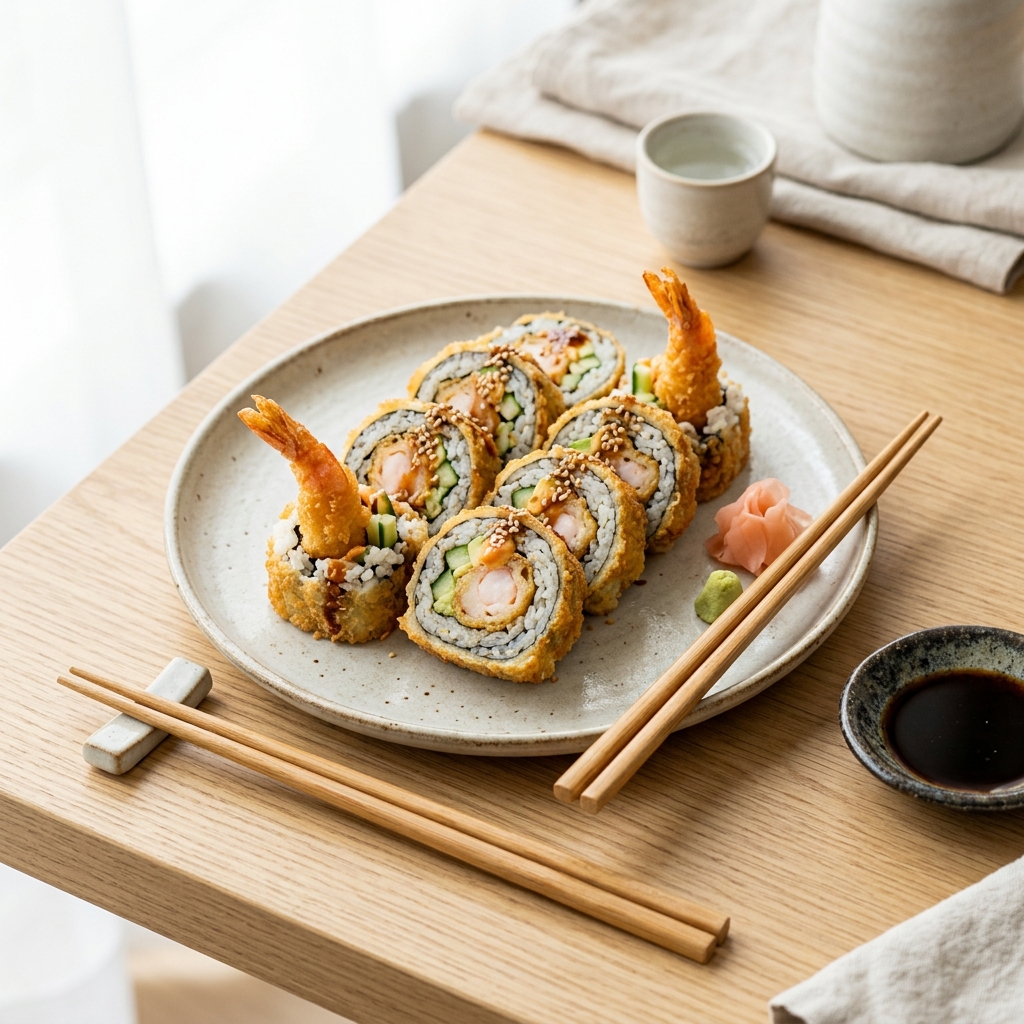
A shrimp tempura roll is not just shrimp. It is a composite food, and during pregnancy, every single ingredient requires an individual safety audit. Let's break down the classic components:
- Nori (Seaweed Wrapper): 100% Safe. Seaweed is actually a prenatal superfood. It is one of the only plant-based sources of naturally occurring iodine, a trace mineral that is absolutely critical for the development of the fetal thyroid gland and early neural tube formation.
- Sushi Rice: Safe, but macro-dense. Authentic sushi rice is seasoned with a specific mixture of rice vinegar, sugar, and salt. While it is perfectly safe from a bacterial perspective, the added sugar and dense, refined carbohydrates can cause a rapid spike in blood glucose levels. If you have been diagnosed with Gestational Diabetes (GD), you may need to limit your consumption to fewer pieces or request that the roll be made with brown rice for a slower glycemic release.
- Avocado & Cucumber: 100% Safe. Avocado provides healthy monounsaturated fats (essential for brain development) and folate. Cucumber adds hydration and crunch.
- Eel Sauce (Unagi Sauce): 100% Safe. Despite the name, eel sauce does not contain eel. It is a thick, sweet reduction of soy sauce, sugar, and mirin (rice wine). The alcohol in the mirin is completely cooked off during the reduction process, leaving behind a safe, umami-rich glaze.
- Spicy Mayo: 100% Safe. Spicy mayo is simply a blend of Japanese mayonnaise (like Kewpie) and sriracha. The crucial point here is the mayonnaise. Commercial mayonnaise sold in the United States and used in modern restaurants is made with pasteurized eggs. The pasteurization process eliminates the risk of salmonella. Unless the restaurant is whisking raw, unpasteurized farm eggs in the back (highly unlikely in a commercial sushi kitchen), your spicy mayo is risk-free.
The Hidden Threat: Cross-Contamination
We have established that the ingredients in a shrimp tempura roll are clinically safe. However, the most significant risk when ordering cooked sushi does not come from the food itself; it comes from the environment.
Picture a busy Friday night at your local sushi restaurant. The sushi chef is operating at maximum speed. They place a piece of raw salmon on their cutting board, slice it with their Yanagiba knife, and plate it. Moments later, the waiter hands them the ticket for your shrimp tempura roll. If the chef places your cooked roll on that exact same cutting board and slices it with that exact same unwashed knife, microscopic traces of raw fish juices, potentially harboring listeria or parasites, are transferred directly onto your food.
This is known as cross-contamination, and it is the leading cause of foodborne illness from restaurant dining during pregnancy.
How to Prevent Cross-Contamination
You cannot simply assume the restaurant will exercise caution. You must advocate for yourself and your baby. When ordering your shrimp tempura roll, use this specific script:
"I am pregnant and cannot risk any cross-contamination with raw fish. Could you please ask the sushi chef to prepare my cooked shrimp tempura roll on a freshly sanitized cutting board using a clean knife?"
A reputable sushi establishment will instantly understand the gravity of this request and accommodate it without issue. If the server seems hesitant or dismissive, it is a massive red flag regarding the kitchen's overall hygiene protocols, and you should consider dining elsewhere.
The Fried Food Dilemma: Acid Reflux and Acrylamide
While shrimp tempura is safe from listeria and mercury, it is still a deep-fried food. During the second and third trimesters, the hormone progesterone causes the esophageal sphincter (the valve between your stomach and esophagus) to relax, while your growing uterus puts immense physical upward pressure on your stomach. This combination makes pregnant women incredibly susceptible to severe acid reflux and heartburn.
High-fat, greasy, deep-fried foods like tempura are notorious triggers for reflux. They delay gastric emptying, meaning the food sits in your stomach for longer, increasing the likelihood of acid backing up into your throat. If you are already battling daily heartburn, a massive plate of shrimp tempura right before bed is a recipe for a sleepless, miserable night.
The Acrylamide Factor: When starchy foods or batters are fried at very high temperatures, a chemical compound called acrylamide can form. While high levels of acrylamide have been linked to health concerns in animal studies, the FDA states that the levels found in occasional fried foods do not warrant panic. You do not need to avoid fried foods entirely during pregnancy, but moderation is a clinical cornerstone. A tempura roll is a wonderful treat for a Friday night, but it shouldn't replace baked salmon or grilled chicken as your primary weekly protein.
Alternative "Cooked" Rolls for Your Sushi Fix
If you want to expand your sushi order beyond the shrimp tempura roll, the cooked menu is actually quite extensive. Here is a definitive list of other pregnancy-safe rolls you can enjoy in 2026:
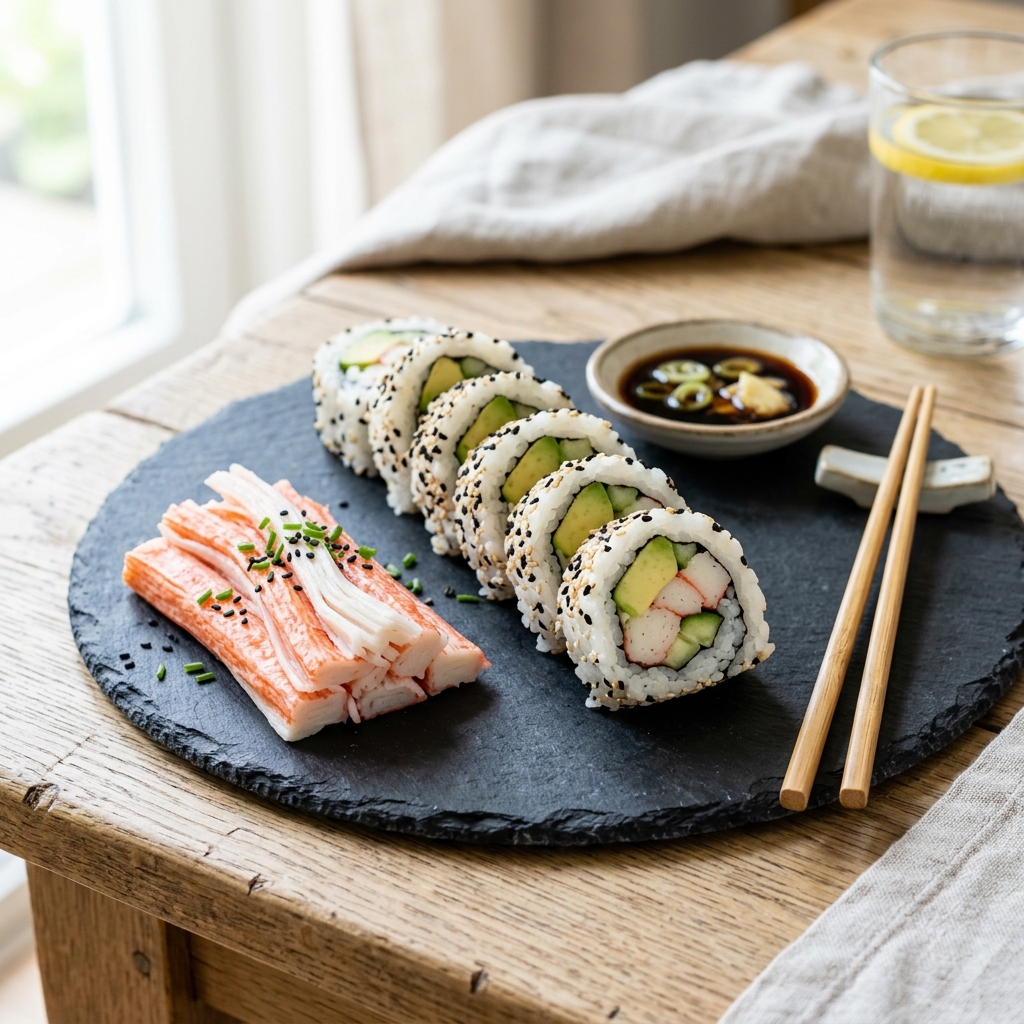
- The California Roll: Made with imitation crab (surimi), avocado, and cucumber. Imitation crab is a highly processed, fully cooked paste made from mild white fish (usually Pollock). It is pasteurized, extremely low in mercury, and 100% safe.
- The Spider Roll: Made with battered and deep-fried soft shell crab. Like the shrimp tempura, the extreme heat of the fryer ensures that the crab is completely cooked and pasteurized.
- The Eel (Unagi) Roll: Unagi is always served cooked, grilled, and glazed. Freshwater eel is a low-mercury fish and is considered perfectly safe when heated.
- The Philly Roll (With a Catch): A classic Philadelphia roll contains smoked salmon and cream cheese. Cold-smoked salmon (lox) is NOT safe during pregnancy due to high listeria risks. However, if the menu specifies "cooked salmon" or "grilled salmon" with cream cheese, it is entirely safe.
- Veggie Rolls: Sweet potato tempura rolls, cucumber maki, or avocado rolls are universally safe, providing excellent fiber and healthy fats.
Nutritional Profile: Is Shrimp Tempura Healthy for the Baby?
We've established safety, but what about nutrition? A standard 6-piece Shrimp Tempura Roll provides roughly:
- Calories: 350 - 450 kcal
- Protein: 10g - 14g
- Carbohydrates: 45g - 60g
- Fat: 15g - 22g
The Clinical Verdict: While it isn't an elite superfood like a spinach salad with grilled wild salmon, it is vastly superior to a fast-food hamburger. The shrimp provides high-quality lean protein necessary for fetal tissue growth. The avocado delivers folate (Vitamin B9), which is non-negotiable for neural tube development. The seaweed contributes iodine. The only nutritional drawback is the refined carbohydrate load from the white rice and the fat from the fryer oil.
To optimize the meal, pair your tempura roll with a side of Edamame. Edamame (steamed soybeans) will add an extra 17 grams of high-quality plant protein and 8 grams of fiber, helping to slow down the digestion of the sushi rice and prevent a post-meal blood sugar crash.
The 'Homemade' Solution: Eliminating Risk Entirely
If the anxiety of restaurant cross-contamination is simply too much to bear, making shrimp tempura rolls at home has never been easier or safer. In 2026, most major supermarkets carry pre-cooked, frozen "tempura-style" shrimp in the freezer aisle. You can bake these frozen shrimp in your oven at 400°F (which guarantees maximum heat-kill safety without the grease of deep frying), slice up some fresh avocado, and roll them in nori and rice yourself.
This method guarantees zero cross-contamination, allows you to use brown rice for better blood sugar control, and dramatically reduces the total calorie and fat content by explicitly avoiding the deep fryer.
Conclusion: The 2026 Verdict on Shrimp Tempura
The clinical consensus is absolute: Shrimp Tempura is safe during pregnancy.
You do not need to sit in misery while your friends enjoy their sushi night. By understanding the mechanics of high-heat frying, recognizing shrimp's magnificent low-mercury profile, and taking one extra vocal step to prevent cross-contamination from the chef's knife, you can completely eliminate the risks associated with raw seafood. Enjoy your tempura roll guilt-free, savor the umami, and continue focusing on a balanced, vibrant prenatal diet.
Stop Guessing About Your Sushi Order
The rules around pregnancy seafood are complex and constantly changing. Don't risk a mistake. Download the PregnancyPlate App today. Our built-in "Seafood Scanner" and Mercury Calculator let you instantly verify the safety of over 200 different types of fish and sushi rolls directly from your table. Know exactly what you are eating, tracking every milligram of mercury in real time.
Meet the Editorial Team
The researchers and experts behind PregnancyPlate.

Fiza Izra
Founder & Tech Researcher
A UK-based mother of 3 with a background in tech and data synthesis, Fiza brings real-world experience navigating hyperemesis gravidarum and postnatal depression. She engineers complex clinical guidelines (NHS, ACOG) into accessible tools, ensuring rigorous fact-checking with deep empathy.

Emma Davies
Senior Nutrition Editor
A mum and writer, Emma runs our food safety desk. She is the one who rings the restaurant to ask how long the lettuce sits out, checks every claim against CDC, FDA and NHS guidance, and rewrites the answer until it is usable at 9pm in a drive-thru queue.
Make sense of every plate.
Scan your plate for pregnancy food-safety guidance and a nutrition breakdown. Keep your meals and nutrient progress in one place.
Scan with your iPhoneto get the app