What to Eat When You Have a Pregnancy Aversion to Meat
Can't stomach the thought of chicken? Here's your complete guide to getting enough protein when meat makes you gag - practical alternatives and meal ideas.
In this article
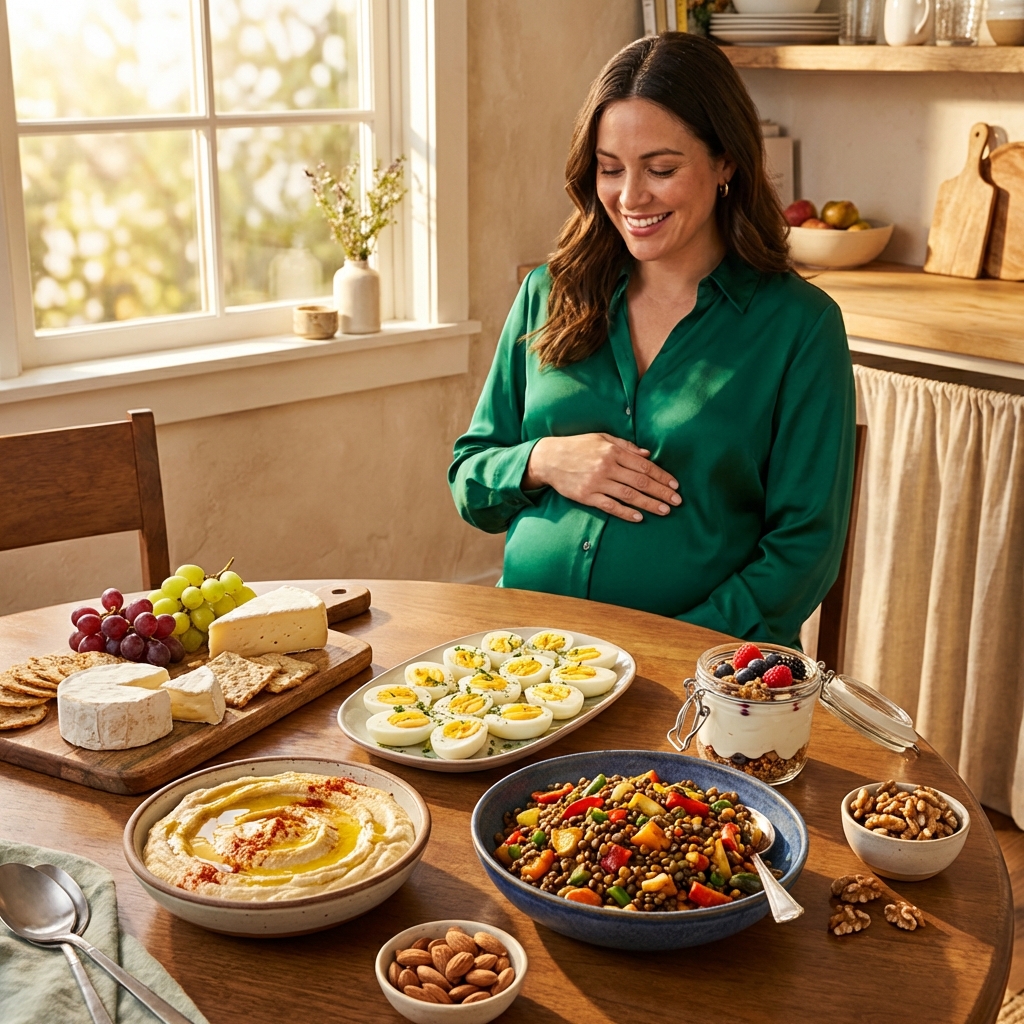
Editorial note: This article is researched from official public health and pregnancy food safety guidance, then edited by the PregnancyPlate team for clarity. It is not medical advice. If you are worried about symptoms or a specific exposure, contact your midwife, GP or healthcare provider.
You used to love a good steak. Chicken was your go-to weeknight dinner. And now? The mere sight of raw meat makes your stomach lurch. The smell of cooking bacon sends you running. You can't even scroll past a burger on Instagram without feeling queasy.
Welcome to the bizarre world of pregnancy food aversions - and meat is one of the most common targets.
If you're struggling with a meat aversion, you might be worried: how will I get enough protein? What about iron? Is my baby going to be okay? The good news is that there are plenty of ways to meet your nutritional needs without forcing yourself to eat foods that genuinely disgust you. This guide will show you how.
Why Do Pregnancy Meat Aversions Happen?
Pregnancy aversions are incredibly common, affecting an estimated 50-90% of pregnant women. Meat, along with eggs and fish, tops the list of foods that suddenly become repulsive.
The Theories
Scientists aren't entirely sure why aversions happen, but there are several compelling theories:
Evolutionary Protection: Many commonly avoided foods during pregnancy (meat, eggs, strong-smelling fish) historically carried a higher risk of foodborne illness. Some researchers believe aversions evolved to protect pregnant women and their babies from potential pathogens when the immune system is naturally suppressed.
Hormonal Changes: Pregnancy hormones, particularly hCG and oestrogen, dramatically heighten your sense of smell and taste. Suddenly, subtle odours become overpowering, and flavours that were once mild become intensely unpleasant.
Changing Nutritional Needs: Some experts suggest aversions may guide women away from certain foods and toward others that better meet their changing nutritional needs - though this theory is less well-supported.
The Good News
Most meat aversions ease or disappear entirely by the second trimester as hormone levels stabilize. In the meantime, there are plenty of ways to meet your protein and iron needs without suffering through foods that make you feel awful.
How Much Protein Do You Actually Need?
Before we dive into alternatives, let's understand what you're aiming for:
- First trimester: About 46g protein daily (same as pre-pregnancy)
- Second trimester: About 56-60g daily
- Third trimester: About 70-80g daily
These amounts sound daunting if you're imagining chicken breasts, but there are many ways to reach them. And importantly: you don't need to hit these targets precisely every single day. Your body has reserves, and averaging out over the week is fine.
The Best Meat-Free Protein Sources
Here's your complete toolkit for getting protein without meat:
Eggs (If You Can Tolerate Them)
Eggs are protein superstars and often more tolerable than meat during pregnancy - especially when prepared in ways that minimize smell.
- Protein: 6-7g per large egg
- Bonus nutrients: Choline (crucial for baby's brain development), vitamin D, B12
Tips for tolerating eggs:
- Try them cold (hard-boiled, devilled eggs)
- Bake them into foods (muffins, pancakes, baked goods)
- Scramble with cheese and vegetables to mask the egg taste
- Try them in fried rice or pasta dishes where they blend in
Note: If eggs are also triggering aversions (common), skip to the next options.
Dairy
Dairy products are excellent protein sources and are often very well-tolerated during pregnancy.
- Greek yoghurt: 15-20g protein per cup - one of the best options
- Milk: 8g per cup
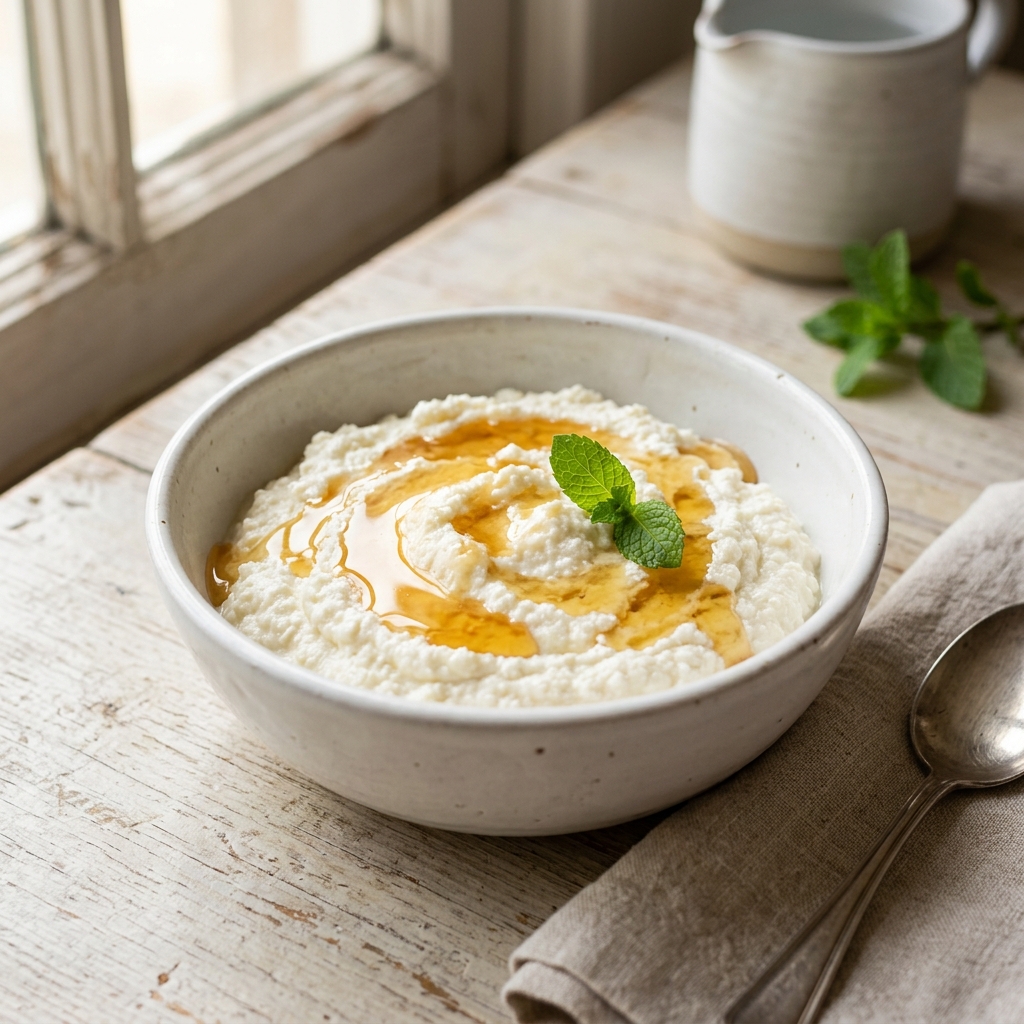
- Cottage cheese: 14g per half cup
- Hard cheese: 7g per ounce
- Ricotta: 14g per half cup
Easy ways to include:
- Add Greek yoghurt to smoothies, on top of granola, or as a dip
- Drink milk with meals or in tea/coffee
- Add cheese to everything - sandwiches, salads, pasta, vegetables
- Make cheese-based sauces for pasta or vegetables
- Eat cottage cheese with fruit as a snack
Legumes (Beans, Lentils, Chickpeas)
Legumes are protein-rich, affordable, and incredibly versatile. They also provide fiber and iron - bonus nutrients you might be missing without meat.
- Lentils: 9g protein per half cup (cooked)
- Chickpeas: 7g per half cup
- Black beans: 7.5g per half cup
- Kidney beans: 7.5g per half cup
- Edamame: 9g per half cup
Easy ways to include:
- Add beans to soups, stews, and chili
- Blend chickpeas into hummus and eat with vegetables or crackers
- Toss beans into salads for extra protein
- Make lentil soup - comfort food that's easy on the stomach
- Try falafel or bean burgers
Tip for digestion: If beans cause gas, introduce them gradually, cook them well, and try tinned beans which are often easier to digest.
Tofu and Tempeh
These soy-based proteins are neutral in flavour and absorb the taste of whatever you cook them with - making them ideal when you're sensitive to strong tastes.
- Firm tofu: 10g protein per half cup
- Tempeh: 15g per half cup
- Edamame: 9g per half cup
Easy ways to include:
- Crumble firm tofu into scrambles (tastes like scrambled eggs)
- Add cubed tofu to stir-fries, curries, or soups
- Blend silken tofu into smoothies for protein (you can't taste it)
- Marinate and bake tempeh for a more substantial texture
Nuts and Nut Butters
Nuts provide protein plus healthy fats and are easy to snack on throughout the day.
- Almonds: 6g per quarter cup
- Peanuts: 7g per quarter cup
- Walnuts: 4.5g per quarter cup
- Peanut butter: 8g per 2 tablespoons
- Almond butter: 7g per 2 tablespoons
Easy ways to include:
- Spread nut butter on toast, crackers, or apple slices
- Add nuts to oatmeal, yoghurt, or salads
- Keep a bag of mixed nuts for snacking
- Blend nut butter into smoothies
- Add crushed nuts to stir-fries or grain bowls
Seeds
Often overlooked, seeds pack a surprising protein punch:
- Pumpkin seeds: 8.5g per quarter cup
- Sunflower seeds: 6g per quarter cup
- Hemp seeds: 10g per 3 tablespoons
- Chia seeds: 5g per 2 tablespoons
Easy ways to include:
- Sprinkle seeds on everything: salads, yoghurt, oatmeal, toast
- Add hemp seeds to smoothies
- Make chia pudding for breakfast or dessert
- Use seed butters as alternatives to nut butters
Whole Grains
While not complete proteins on their own, whole grains contribute meaningfully to your daily intake:
- Quinoa: 8g per cup (cooked) - a complete protein!
- Oats: 6g per cup (cooked)
- Brown rice: 5g per cup (cooked)
- Whole wheat bread: 4g per slice
- Whole wheat pasta: 7g per cup (cooked)
What About Iron?
One of the biggest concerns about avoiding meat is iron. Red meat is one of the most absorbable sources of iron (called heme iron), and pregnancy increases your iron needs significantly.
Plant-Based Iron Sources
These contain non-heme iron, which is absorbed less efficiently but still valuable:
- Lentils: 3.3mg per half cup
- Spinach: 3.2mg per half cup (cooked)
- Fortified cereals: 4-18mg per serving (check labels)
- Tofu: 3mg per half cup
- Chickpeas: 2.4mg per half cup
- Pumpkin seeds: 2mg per ounce
Boosting Iron Absorption
Non-heme iron is absorbed much better when paired with vitamin C. Practical combinations:
- Lentil soup with a squeeze of lemon
- Spinach salad with strawberries
- Bean chili with tomatoes and peppers
- Fortified cereal with orange juice (or a whole orange)
What to Avoid Near Iron-Rich Meals
- Tea and coffee (tannins block absorption) - wait an hour before or after
- Dairy (calcium competes with iron) - don't drink milk with iron-rich meals
When to Supplement
If your blood tests show low iron or you're struggling to get enough from food, your healthcare provider may recommend an iron supplement. This is common and nothing to worry about.
Sample Day: Meeting Protein Needs Without Meat
Here's how a meat-free pregnancy day might look:
Sample Meat-Free Pregnancy Day
Breakfast: Greek yoghurt (1 cup) with berries and granola: ~17g protein
Glass of milk: ~8g protein
Morning Snack: Apple with 2 tablespoons peanut butter: ~8g protein
Lunch: Large bean and cheese quesadilla with salsa: ~18g protein
Side salad
Afternoon Snack: Handful of almonds: ~6g protein
Cheese stick: ~7g protein
Dinner: Lentil soup with crusty bread: ~12g protein
Side of steamed broccoli with parmesan: ~4g protein
Evening Snack (if hungry): Cottage cheese with fruit: ~14g protein
Daily total: ~94g protein - well above pregnancy requirements!
Easy High-Protein Meal Ideas Without Meat
Breakfast Options
- Protein pancakes: Add Greek yoghurt or cottage cheese to the batter
- Overnight oats: Made with milk and topped with nuts and seeds
- Smoothie bowl: Greek yoghurt, banana, nut butter, topped with granola
- Cheese and spinach omelette (if eggs are tolerable)
- Peanut butter toast with banana on whole grain bread
Lunch Ideas
- Bean and cheese burritos or quesadillas
- Hummus and falafel wrap with vegetables
- Lentil soup with cheesy toast
- Greek salad with extra feta and chickpeas
- Cheese and vegetable sandwich on whole grain bread
- Pasta salad with beans, cheese, and vegetables
Dinner Options
- Vegetable stir-fry with tofu over rice
- Cheesy bean and vegetable bake
- Lentil bolognese (lentils replace mince beautifully)
- Chickpea curry with rice
- Vegetable and bean chili with cheese and sour cream
- Cheese and vegetable pizza with a side salad
- Macaroni cheese with added vegetables
Snacks
- Half an avocado with everything bagel seasoning
- Hummus with vegetable sticks or crackers
- Cheese and crackers
- Greek yoghurt with honey
- Trail mix with nuts and seeds
- Edamame (warm or cold)
- Cottage cheese with fruit
When the Aversion Includes Eggs, Fish, AND Meat
If you're really struggling - avoiding all animal proteins - focus on:
- Dairy (if tolerated) - Greek yoghurt, milk, cheese
- Legumes - beans, lentils, chickpeas
- Soy products - tofu, tempeh, edamame
- Nuts and seeds - especially peanut butter
- Whole grains - quinoa is a complete protein
You can absolutely meet your protein needs without any meat, fish, or eggs. Many people do this by choice for years. The key is variety and making sure you're eating enough overall.
When to Be Concerned
While food aversions are normal, mention them to your healthcare provider if:
- You're losing weight or not gaining appropriately
- You can barely keep any food down
- Blood tests show deficiencies
- You're extremely fatigued or symptomatic of anaemia
- Aversions are so severe they're affecting your mental health
Your midwife or doctor can help with supplements, dietary adjustments, or referrals to a dietitian if needed.
The Bottom Line
Pregnancy meat aversions are common, normal, and temporary. You can absolutely meet your protein and iron needs through other foods - dairy, eggs (if tolerated), legumes, nuts, seeds, and whole grains.
Don't force yourself to eat foods that disgust you. Instead, embrace this temporary change and explore other protein sources. You might even discover some new favourite foods along the way.
Key Takeaways:
- ✓ Meat aversions are normal and usually temporary
- ✓ You can meet protein needs without meat through dairy, legumes, nuts, and other sources
- ✓ Pair plant-based iron sources with vitamin C for better absorption
- ✓ Aim for variety rather than stressing about perfect daily targets
- ✓ Talk to your healthcare provider if you're concerned about nutrition
Related Reading
See also: Protein Needs During Pregnancy, Iron in Pregnancy, Best Foods for First Trimester Nausea, and Pregnancy-Safe Snacks.
Download PregnancyPlate to track your protein intake with personalised insights.
Disclaimer: This article is for informational purposes only. Always consult your healthcare provider about dietary concerns during pregnancy.
Meet the Editorial Team
The researchers and experts behind PregnancyPlate.

Fiza Izra
Founder & Tech Researcher
A UK-based mother of 3 with a background in tech and data synthesis, Fiza brings real-world experience navigating hyperemesis gravidarum and postnatal depression. She engineers complex clinical guidelines (NHS, ACOG) into accessible tools, ensuring rigorous fact-checking with deep empathy.

Emma Davies
Senior Nutrition Editor
A mum and writer, Emma runs our food safety desk. She is the one who rings the restaurant to ask how long the lettuce sits out, checks every claim against CDC, FDA and NHS guidance, and rewrites the answer until it is usable at 9pm in a drive-thru queue.