Protein Needs During Pregnancy (Week-by-Week)
Your complete guide to protein during pregnancy: how much you really need by trimester, the best sources, vegetarian and vegan options, and practical meal ideas.
In this article
Editorial note: This article is researched from official public health and pregnancy food safety guidance, then edited by the PregnancyPlate team for clarity. It is not medical advice. If you are worried about symptoms or a specific exposure, contact your midwife, GP or healthcare provider.
Quick Answer
Growing a human is demanding work - and protein is the building material your body uses to construct virtually everything: your baby's organs, muscles, bones, skin, and brain. It's also essential for your own expanding blood volume, placenta, and breast tissue.
Yet protein during pregnancy often gets overlooked in favour of flashier nutrients like folic acid and iron. The reality? Protein requirements increase significantly during pregnancy, and many women unknowingly fall short - especially in the third trimester when demands peak.
This guide covers exactly how much protein you need (and when), the best food sources, how to meet your needs if you're vegetarian or vegan, and practical strategies for days when eating feels impossible.
Why Protein Matters So Much During Pregnancy
Protein is made up of amino acids - the building blocks your body uses to create new tissues. During pregnancy, protein is essential for:
For Your Baby
- Brain development: Amino acids are crucial for forming neurons and brain tissue
- Muscle and organ formation: Every cell in your baby's body requires protein to build
- Bone matrix: Protein provides the framework (collagen) on which bones mineralise
- Skin, hair, and nails: All developing throughout pregnancy
- Immune system: Antibodies are proteins that protect against infection
For You
- Placenta formation: This nutrient-transport organ is protein-rich tissue
- Increased blood volume: Haemoglobin (in red blood cells) and albumin (in plasma) are proteins
- Uterine growth: Your uterus expands dramatically and needs protein to do so
- Breast tissue development: Preparing for lactation requires significant tissue building
- Amniotic fluid production: Contains protein and requires adequate amino acid supply
- Maintaining your own muscle mass: Pregnancy doesn't give you permission to waste away
Research published in the American Journal of Clinical Nutrition found that inadequate protein intake during pregnancy is associated with lower birth weight and increased risk of intrauterine growth restriction (IUGR).
How Much Protein Do You Really Need?
This is where things get more specific than the generic "eat more protein" advice:
📊 Official Recommendations
| Stage | Protein Recommendation |
|---|---|
| Non-pregnant women | 0.8g per kg body weight (~46g for a 58kg/128lb woman) |
| First trimester | Same as non-pregnant (no increase needed yet) |
| Second trimester | Add 10g/day (~56g+ total) |
| Third trimester | Add 30g/day (~76g+ total) |
Source: British Nutrition Foundation, ACOG, and dietary reference intakes
A More Practical Approach
Many nutrition experts suggest 1.1-1.2g per kg of pre-pregnancy body weight as a simpler daily target throughout pregnancy. For a 65kg (143lb) woman, that's approximately 71-78g protein daily.
Some recent studies suggest even higher intakes (1.2-1.5g/kg) may be beneficial, particularly in the third trimester. The key point: most pregnant women need somewhere between 60-100g of protein daily, depending on body weight and trimester.
Protein Needs: Week-by-Week Breakdown
Let's look at how protein demands evolve throughout pregnancy:
First Trimester (Weeks 1-12)
Protein need: Same as pre-pregnancy (~46-50g for most women)
During these early weeks, your baby is tiny - about the size of a lime by week 12. Protein demands haven't increased significantly yet.
The challenge: Many women experience intense nausea and food aversions, making protein-rich foods (especially meat) unappealing. Don't stress - focus on what you can eat.
💡 First Trimester Strategies
- Greek yoghurt or cottage cheese if dairy is tolerable
- Nut butters on crackers or toast
- Eggs (if the smell doesn't trigger nausea)
- Cheese and crackers as a mild protein option
- Smoothies with protein powder or nut butter
- Cold chicken if hot meat is unappealing
Second Trimester (Weeks 13-27)
Protein need: Add ~10g/day (approximately 56-60g total)
Your baby is growing more substantially now - organs are maturing, bones are lengthening, and muscles are developing. This is also when you'll likely regain your appetite as nausea subsides.
Second trimester focus:
- Establish consistent protein habits at every meal
- Aim for 15-20g protein per meal, plus protein-containing snacks
- Variety becomes important - rotate between animal and plant sources
- This is a good time to batch-cook protein sources
Third Trimester (Weeks 28-40)
Protein need: Add ~30g/day (approximately 76-80g+ total)
This is the period of maximum protein demand. Your baby is gaining weight rapidly - about 200-250g per week - and depositing protein, fat, and minerals at high rates. Your own blood volume continues expanding, and your body is preparing for breastfeeding.
⚠️ Third Trimester Challenges
- Stomach capacity decreases as your uterus grows (heartburn, feeling full quickly)
- Energy levels may drop
- You literally have less room to eat large meals
Third trimester strategies:
- Eat 5-6 smaller meals instead of 3 large ones
- Prioritise protein at every eating occasion
- Protein-rich snacks become essential
- Front-load protein at breakfast when appetite is often better
- Keep easy-prep protein options on hand
The Best Protein Sources During Pregnancy
Not all proteins are created equal. Here's a comprehensive breakdown:
Complete Proteins (All Essential Amino Acids)
Animal Sources
| Food | Serving | Protein (g) | Notes |
|---|---|---|---|
| Chicken breast | 100g (cooked) | 31g | Versatile, lean, pregnancy-safe when well-cooked |
| Salmon | 100g (cooked) | 25g | Bonus omega-3s for baby's brain |
| Eggs | 2 large | 12g | Complete protein; cook until firm |
| Greek yoghurt | 200g | 20g | Also provides calcium and probiotics |
| Lean beef | 100g (cooked) | 26g | Excellent iron source too |
| Cottage cheese | 150g | 18g | High protein, low calorie |
Plant-Based Complete Proteins
- Tofu (firm): 100g = 17g protein - Calcium-set varieties add bonus calcium
- Tempeh: 100g = 20g protein - Fermented, easier to digest
- Edamame: 100g = 11g protein - Whole soybean, complete protein
- Quinoa (cooked): 100g = 4g protein - Complete protein grain
Incomplete Proteins (Combine for Complete Amino Acids)
These are still excellent protein sources - just eat a variety throughout the day:
- Lentils (cooked): 100g = 9g protein
- Chickpeas (cooked): 100g = 9g protein
- Black beans (cooked): 100g = 9g protein
- Almonds: 30g (small handful) = 6g protein
- Peanut butter: 2 tbsp = 8g protein
- Oats: 40g (dry) = 5g protein
- Hemp seeds: 3 tbsp = 10g protein
- Pumpkin seeds: 30g = 9g protein
Protein combining note: You don't need to eat complementary proteins at the same meal. As long as you eat a variety of plant proteins throughout the day, your body will combine amino acids appropriately.
Special Circumstances
Vegetarian Pregnancy
Meeting protein needs on a vegetarian diet is absolutely achievable - it just requires more planning:
Top vegetarian protein sources:
- Eggs (if ovo-vegetarian) - 6g per egg
- Greek yoghurt - 10g per 100g
- Cottage cheese - 12g per 100g
- Milk - 3.4g per 100ml
- Cheese - 7g per 30g
- Tofu - 17g per 100g
- Lentils and beans - 9g per 100g cooked
- Quinoa - 4g per 100g cooked
- Nuts and nut butters - 6-8g per 30g/2 tbsp
Vegan Pregnancy
Vegan pregnancies require the most attention to protein - not because it's impossible, but because plant proteins are generally less protein-dense, requiring larger volumes.
🌱 Sample Vegan Day (75g protein)
- Breakfast: Overnight oats with hemp seeds and peanut butter = 18g
- Snack: Edamame = 11g
- Lunch: Chickpea salad wrap with hummus = 15g
- Snack: Protein smoothie with soy milk and pea protein = 18g
- Dinner: Tempeh stir-fry with quinoa = 16g
- Total: 78g ✓
Important for vegans: Ensure adequate intake of vitamin B12 (supplement essential), iron (pair with vitamin C for absorption), calcium (fortified foods or supplement), and omega-3 DHA (algae-based supplement).
Protein Timing and Distribution
How you distribute protein matters almost as much as total intake:
Why Distribution Matters
Your body can only synthesise new tissue with protein from your most recent meal. Research suggests you can effectively use about 25-40g of protein per meal for muscle protein synthesis. Eating 80g at dinner and nothing all day isn't optimal.
Optimal Protein Distribution
- Breakfast: 20-25g - Greek yoghurt + eggs, or protein smoothie
- Mid-morning snack: 10-15g - Cheese + nuts, or cottage cheese
- Lunch: 20-30g - Chicken salad, or lentil soup with bread
- Afternoon snack: 10-15g - Hummus + vegetables, or nut butter on apple
- Dinner: 25-35g - Salmon/tofu + vegetables + grains
- Evening snack (if hungry): 5-10g - Milk, or yoghurt
Knowledge Check
🧠 Quick Quiz
Q: You're 32 weeks pregnant, weigh 70kg, and have been eating about 50g of protein daily. Is this enough?
A: No - this is likely insufficient for third trimester. At 70kg, you need approximately 77-84g of protein daily (1.1-1.2g/kg). At 50g, you're around 27-34g short. Focus on adding protein to every eating occasion: an extra egg at breakfast (+6g), Greek yoghurt snack (+15g), and extra chicken at dinner (+10g) would close the gap.
Protein-Rich Meal Ideas
Quick Breakfast Ideas (15-20g each)
- Greek yoghurt parfait with nuts and seeds
- Scrambled eggs (2) with cheese on toast
- Overnight oats with protein powder and nut butter
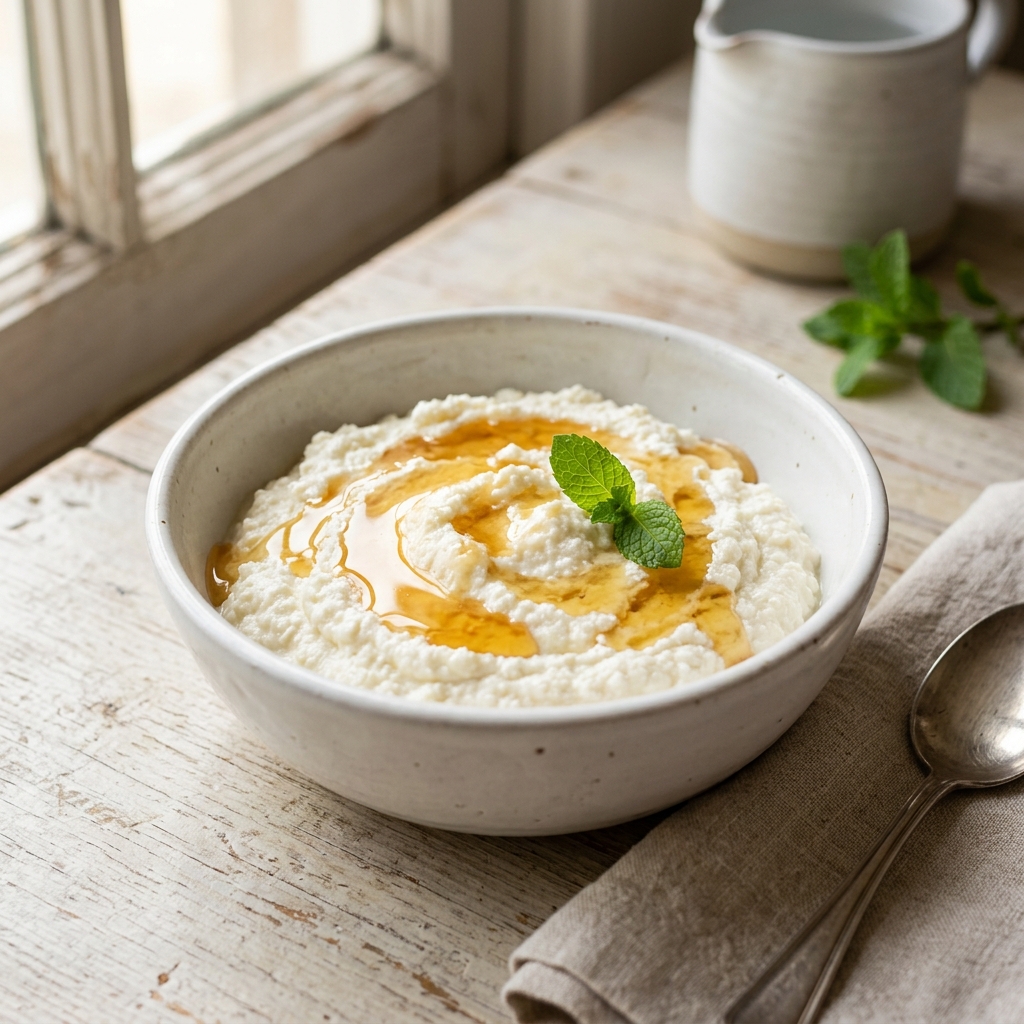
- Cottage cheese with fruit
- Smoothie: milk, banana, peanut butter, protein powder
Easy Lunch Ideas (20-30g each)
- Chicken or tuna salad sandwich
- Lentil soup with crusty bread and cheese
- Grain bowl with salmon/tofu, vegetables, tahini
- Cheese and bean quesadilla
- Greek salad with halloumi or grilled chicken
Satisfying Dinner Ideas (25-35g each)
- Grilled salmon with quinoa and vegetables
- Chicken stir-fry with tofu and brown rice
- Bean and beef (or lentil) chilli with greek yoghurt topping
- Baked chicken with mashed potato and greens
- Tofu curry with chickpeas and rice
High-Protein Snacks (5-15g each)
- Handful of almonds (6g)
- Cheese and crackers (7g)
- Hummus with vegetables (5g)
- Greek yoghurt (15g per 150g)
- Boiled egg (6g)
- Edamame (11g per 100g)
- Cottage cheese (15g per 150g)
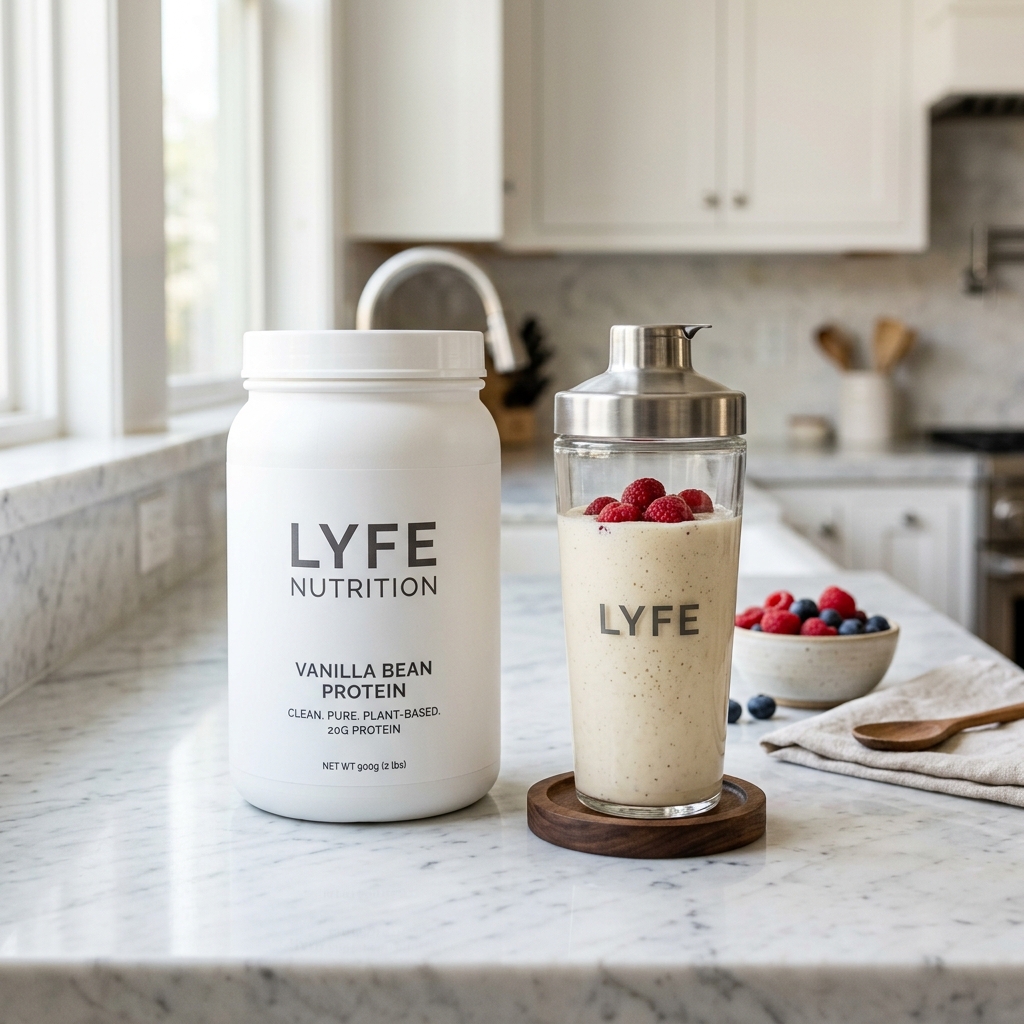
- Protein shake (15-25g)
Common Questions
- Can I eat too much protein during pregnancy? Extremely high protein intake (over 25% of total calories) may not be beneficial and could strain kidneys in susceptible individuals. Most pregnant women eating normal food aren't at risk of protein excess. Stick to reasonable amounts - 70-100g for most women is plenty.
- Is protein powder safe during pregnancy? Most protein powders (whey, pea, soy) are safe during pregnancy. Choose products that are third-party tested for contaminants, don't contain excessive added vitamins (especially vitamin A), and come from reputable brands.
- Does protein cause gestational diabetes? No. Protein stabilises blood sugar and doesn't require insulin to metabolise. Higher protein intakes may actually help manage blood sugar levels.
- What about protein and kidney function? Healthy kidneys can handle normal pregnancy protein intakes without issue. If you have pre-existing kidney disease, discuss protein targets with your nephrologist.
- I'm not gaining enough weight - will more protein help? Possibly. Protein is essential for tissue building, and adequate protein supports healthy weight gain. However, calories overall matter too - pair protein with healthy fats and complex carbohydrates.
The Bottom Line
Protein is non-negotiable for a healthy pregnancy - it quite literally builds your baby. Here's what to remember:
- ✔ First trimester: No increase needed (~46-50g), but eat what you can tolerate
- ✔ Second trimester: Add ~10g/day (targeting 56-60g total)
- ✔ Third trimester: Add ~30g/day (targeting 76-80g+ total)
- ✔ Aim for 1.1-1.2g per kg of pre-pregnancy body weight as a simple daily target
- ✔ Distribute protein across all meals - don't back-load at dinner
- ✔ Vegetarian and vegan diets can meet protein needs with planning
- ✔ Every meal and snack is a protein opportunity
Your baby is building a body from scratch. Give them the raw materials they need.
Related Reading
See also: Folate vs Folic Acid, Iron in Pregnancy, Calcium in Pregnancy, and Omega-3 During Pregnancy.
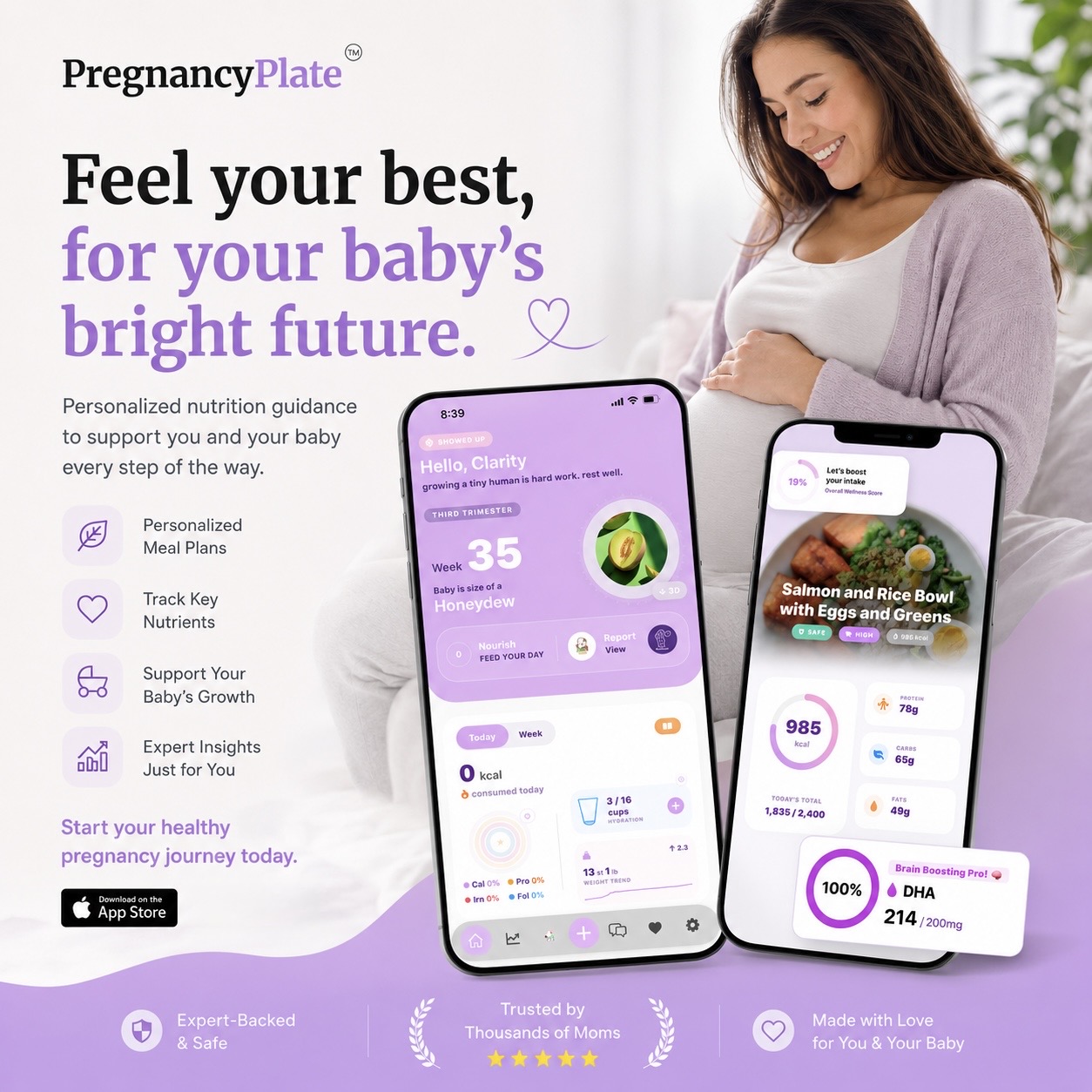
Download PregnancyPlate to track your protein intake throughout pregnancy and ensure you're meeting your nutrient targets at every stage.
Protein is easier to hit when you can see it accumulating across the day rather than guessing at dinner. Our guide to choosing a pregnancy nutrition app covers what to look for, and the pregnancy calorie calculator sets the wider energy target protein sits inside.
Meet the Editorial Team
The researchers and experts behind PregnancyPlate.

Fiza Izra
Founder & Tech Researcher
A UK-based mother of 3 with a background in tech and data synthesis, Fiza brings real-world experience navigating hyperemesis gravidarum and postnatal depression. She engineers complex clinical guidelines (NHS, ACOG) into accessible tools, ensuring rigorous fact-checking with deep empathy.

Emma Davies
Senior Nutrition Editor
A mum and writer, Emma runs our food safety desk. She is the one who rings the restaurant to ask how long the lettuce sits out, checks every claim against CDC, FDA and NHS guidance, and rewrites the answer until it is usable at 9pm in a drive-thru queue.