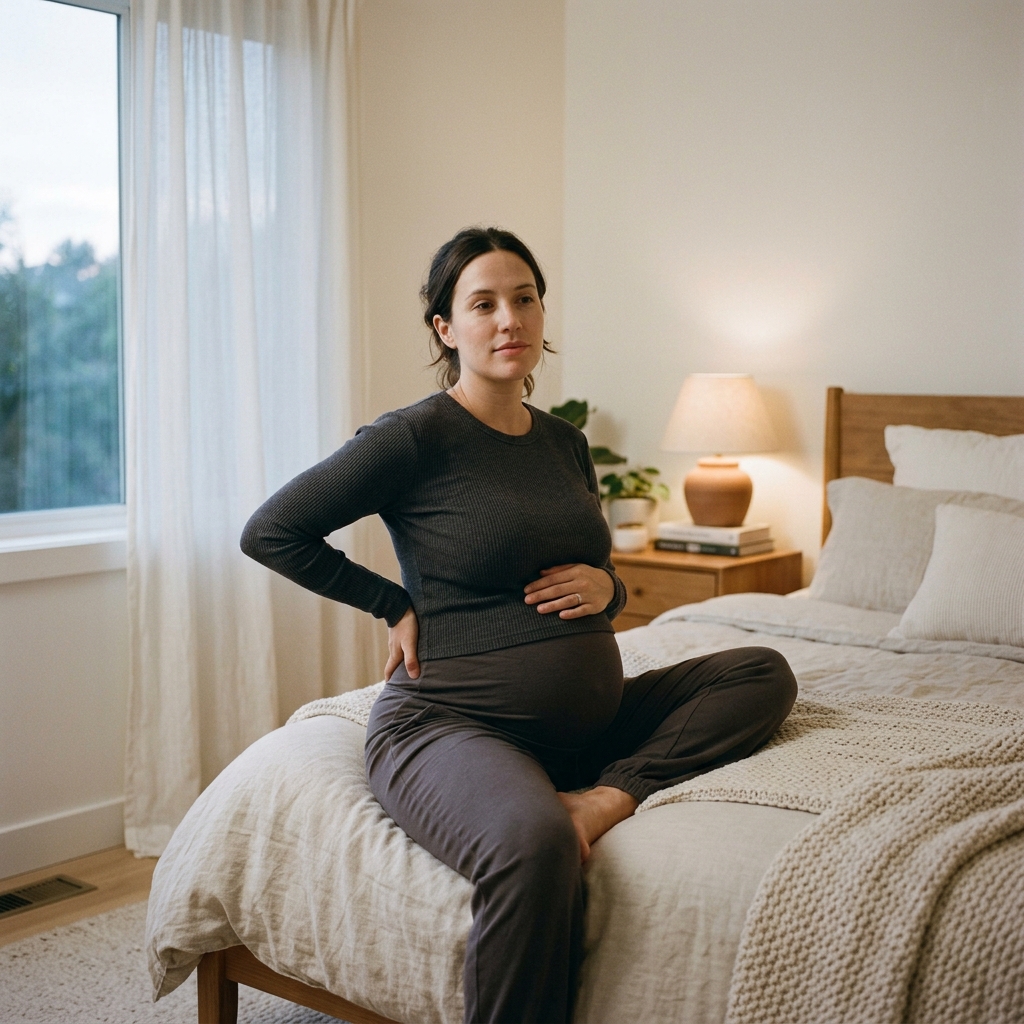
Pregnancy Mood Swings: Navigating the Emotional Rollercoaster of Hormones
Crying over dropped spoons? You're not going crazy. Let's talk about the biology of pregnancy mood swings, conscious parenting, and how to stay grounded.
In this article

Editorial note: This article is researched from official public health and pregnancy food safety guidance, then edited by the PregnancyPlate team for clarity. It is not medical advice. If you are worried about symptoms or a specific exposure, contact your midwife, GP or healthcare provider.
The Fast Answer: You are not going crazy. Pregnancy mood swings are driven by massive surges in estrogen and progesterone, combined with the sheer exhaustion of growing a human. It is completely normal to cry over dropping a spoon or feel sudden bursts of anxiety. Be kind to yourself, lean into mindfulness, and know that this emotional rollercoaster is biologically expected.
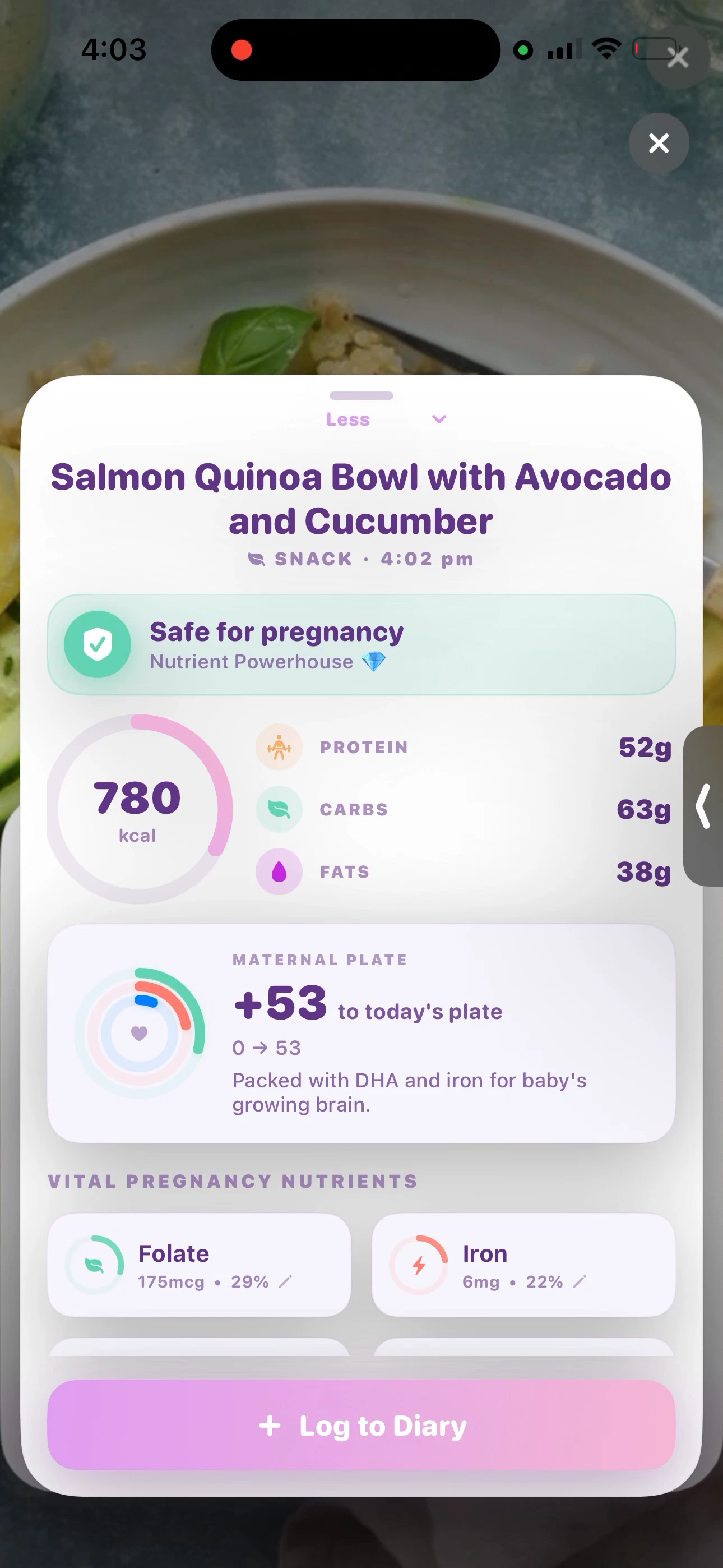
Join Our Community of Mums on the AppYour next meal, a little less guesswork.
Scan your plate for pregnancy food-safety guidance and a nutrition breakdown. Keep your meals and nutrient progress in one place.
 Scan with your iPhone
to get the app
I will never forget the day I burst into uncontrollable tears because I dropped a perfectly good piece of toast butter-side down. My partner just stared at me, completely bewildered, while I sobbed on the kitchen floor as if I had just lost a family member. Looking back, it is hilarious. In the moment? It was a deeply devastating tragedy that ruined my entire morning.
If you're sitting there reading this, feeling totally overwhelmed and wondering where your usual calm, rational self has disappeared to, take a massive, deep breath. You are not broken. You have not lost your mind. What you are experiencing right now is the reality of pregnancy mood swings. The emotional rollercoaster is very real, and honestly, we do not talk about it enough.
We see so many perfect, curated bump pictures on Instagram, with mums looking serene and glowing while doing a perfect warrior pose. But behind the scenes, so many of us are desperately trying to keep it together while our hormones are effectively throwing a rave in our nervous system. So let us talk about it openly. No judgement, just real talk about why you feel this way and how you can actually navigate it without losing your sense of self.
Why You Feel Like You Are Losing It
Before you blame yourself for snapping at your partner or crying at a completely normal television advert, you need to understand the biology of what is happening inside your body. The second you fall pregnant, your body starts producing hormones at a rate you have never experienced before.
During the first trimester, your estrogen and progesterone levels skyrocket. Progesterone is essential for relaxing your muscles and preventing early labour, but it is also a central nervous system depressant. It makes you feel lethargic, sluggish, and emotionally heavy. Meanwhile, estrogen is directly linked to the neurotransmitters in your brain that regulate mood, like serotonin and dopamine. When your estrogen is fluctuating wildly, your mood is going to follow suit.
Then, of course, there is the sheer physical toll. Your body is building a placenta, creating a brand new organ from scratch, and multiplying cells at an unbelievable rate. You are tired in a way that sleep does not seem to fix. Add in the nausea, the physical discomfort, and the massive life transition of becoming a mother, and it is entirely logical that your emotions are all over the place. If you are struggling with the nausea aspect and it is dragging your mood down further, I highly recommend checking out our guide on nausea-safe dinners for the first trimester. Sometimes, just managing the physical symptoms can take the edge off the emotional ones.
The Biology of the Meltdown
It is not just estrogen and progesterone running the show. There are other hormonal players too. Cortisol, the stress hormone, naturally increases during pregnancy to help your baby develop. But elevated cortisol means your baseline stress level is higher. Things that you used to brush off effortlessly suddenly feel like massive, insurmountable problems.
We also have to talk about the 'nesting' instinct and how it overlaps with anxiety. As your due date approaches, you might feel an intense, almost frantic need to organize everything. This isn't just a cute cliché. It is a biological drive, and when things don't go perfectly to plan, it can trigger serious emotional distress. I remember reorganizing my baby's drawers three times at 3 am because I was convinced the layout was wrong. Looking back, it sounds ridiculous, but in the moment, it felt critical.
If you find that your mood swings are tipping over into constant, overwhelming worry, you might be dealing with prenatal anxiety. It is incredibly common and nothing to be ashamed of. Please have a read of our deep-dive on why prenatal anxiety is completely normal, which explores when to reach out for professional support.
The New Age Approach to Conscious Pregnancy
I love seeing how the younger generation of mums is tackling pregnancy. There is a huge shift towards what we call conscious parenting and mindful pregnancy. In the past, women were expected to just put up with the discomfort and sacrifice their entire identity for motherhood. Now, I see Gen Z and millennial mums actively advocating for their mental health, setting fierce boundaries, and refusing to lose their sense of self.
Maintaining your individual identity is crucial for managing your mood. You are still you. You are still the person who loves indie music, or gaming, or painting, or whatever it is that makes you tick. Becoming a mother does not mean you have to erase your personal interests. In fact, engaging with your hobbies is one of the best ways to ground yourself when the pregnancy hormones are raging.
Part of this new age approach is being brutally honest about the hard days. It is okay to say, "I am really not enjoying being pregnant today." It does not mean you do not love your baby. It just means you are human. There is so much power in community, in finding a group of mums who will validate your feelings instead of offering toxic positivity. That is exactly why we built the PregnancyPlate community, so you have a safe space to vent when you need it.
Finding Your Zen With Yoga And Meditation
When you are feeling incredibly overwhelmed, telling you to "just relax" is probably the most annoying advice in the world. I get it. But there is hard clinical evidence showing that mind-body practices actually lower cortisol levels and regulate your autonomic nervous system.
Prenatal yoga isn't just about staying flexible. It is about connecting with your breath and finding a tiny pocket of stillness in a body that feels entirely out of your control. Even just ten minutes of gentle stretching can reset your nervous system. Poses like Cat-Cow, Child's Pose (with your knees wide to accommodate the bump), and supported bound angle pose are fantastic for releasing physical tension, which often mirrors our emotional tension.
Meditation is another incredibly powerful tool. You don't need to sit cross-legged on a mountain for an hour. I used to do five-minute guided meditations while lying in bed, just focusing on my breathing. The goal isn't to clear your mind completely, because honestly, that's impossible right now. The goal is just to notice your thoughts without spiralling into them.
If sleep deprivation is making your mood swings worse, you really need to address the exhaustion. Have a look at our tips on tackling pregnancy insomnia. A good night's sleep is often the best medicine for emotional volatility.
My Favourite Books For Grounding Your Mind
Sometimes you just need to unplug from social media, step away from the endless scrolling, and read something that actually makes you feel better. Reading was my absolute sanctuary during my hardest pregnancy days. Here are a few books I highly recommend for keeping your mind grounded:
1. "Mindful Pregnancy" by Tracy Donegan
This book is brilliant. It bridges the gap between clinical advice and holistic wellness. It offers practical mindfulness techniques that you can actually use in your daily life, rather than abstract concepts..
2. "The Fourth Trimester" by Kimberly Ann Johnson
While this is technically focused on postpartum, reading it during pregnancy completely shifted my perspective. It helps you prepare mentally and emotionally for the transition into motherhood, making the unknown feel a lot less scary..
3. "Expecting Better" by Emily Oster
This isn't a traditional 'zen' book, but if your anxiety stems from all the arbitrary rules of pregnancy, this data-driven book will calm you down immensely. It gives you the actual numbers behind pregnancy risks, allowing you to make informed decisions rather than panicking..
The Pregnancy Playlist For Your Soul
Music is a direct line to your nervous system. When the mood swings hit hard, I found that putting on my headphones and completely immersing myself in a curated playlist changed my entire emotional state within minutes.
Create a few different playlists depending on what you need. Have a 'Rage' playlist for when you are just inexplicably angry and need to get the energy out. Have a 'Soft' playlist for when you need to cry and release the tension. And have a 'Grounding' playlist filled with ambient sounds, lo-fi beats, or acoustic tracks for when you need to bring your heart rate down.
Studies show that listening to music at 60 beats per minute can cause the brain to synchronize with the beat, inducing alpha brainwaves, which are present when we are relaxed and conscious. So, curate your tracks carefully. Music is medicine.
Supplements That Actually Make A Difference
While food should always be your primary source of nutrition, pregnancy places a massive demand on your body, and sometimes you need a little extra support to keep your mood stable. Always, always check with your midwife or GP before starting anything new, but here are a few supplements that are often recommended for emotional well-being during pregnancy.
1. Vitamin D3
If you live in the UK or parts of the US that get dark winters, you are very likely deficient in Vitamin D. Low Vitamin D is strongly linked to low mood and depression. The NHS recommends that all pregnant women take a daily Vitamin D supplement. Make sure you get a high-quality D3 spray or drop.. For a full breakdown on why this is so critical, read our deep dive on Vitamin D during the winter months.
2. A High-Quality Probiotic
The gut-brain connection is fascinating. The bacteria in your gut actually produce a huge amount of your body's serotonin. When your gut health is off, your mood suffers. Taking a pregnancy-safe probiotic can support your digestion (which is naturally sluggish right now) and potentially help stabilize your mood. Look for strains like Lactobacillus rhamnosus..
3. Omega-3 DHA
DHA is utterly essential for your baby's brain development, but it is also vital for maternal mental health. Studies suggest that adequate Omega-3 intake can help prevent postpartum depression and support overall mood stability during pregnancy. If you struggle to eat enough fatty fish, a high-quality, mercury-free algae oil or fish oil supplement is a great idea.. You can read more about the specific benefits in our DHA brain development guide.
4. Magnesium
Magnesium is the ultimate relaxation mineral. It helps regulate your nervous system, reduces muscle cramps, and can seriously improve your sleep quality. Many women use a magnesium spray on their legs before bed, or take a gentle magnesium glycinate supplement to calm their mind..
Giving Yourself Some Grace
I want to leave you with this: please stop beating yourself up for not enjoying every single second of your pregnancy. It is exhausting. It is physically uncomfortable. Your body is changing in ways you cannot control, and your hormones are running the show.
Having a mood swing does not make you a bad mother. Crying over something trivial does not mean you are ungrateful for your baby. It just means you are experiencing the full, messy, beautiful, overwhelming reality of growing a human life.
Give yourself endless amounts of grace. Apologize to your partner if you snap at them, but also explain that you are riding a hormonal wave and you need their patience. Communicate your needs openly. If you need an hour alone in a dark room to decompress, take it. If you need to eat a massive bowl of pasta and watch trashy television to feel better, do it.
You are doing an incredible job. Your body is performing a miracle, even if it feels like a chaotic mess on the inside. Lean on your community, prioritize your mental health, and remember that this phase is temporary. The fog will lift, the hormones will eventually settle, and you will meet the little person who caused all this beautiful chaos.
Clinical References
Our 2026 guidelines are derived from:
- National Institutes of Health (NIH): Studies on the impact of pregnancy hormones (estrogen and progesterone) on maternal mood and neurotransmitters.
- American College of Obstetricians and Gynecologists (ACOG): Guidelines on perinatal mental health, anxiety, and depression.
- Journal of Obstetric, Gynecologic & Neonatal Nursing: Clinical evidence supporting mindfulness and prenatal yoga in reducing cortisol levels.
- NHS Maternity Services: Nutritional guidelines on Vitamin D supplementation and maternal mental well-being during pregnancy.
📱 You Don't Have to Do This Alone
Tracking your nutrition is a fantastic way to ensure your body has the raw materials it needs to keep your mood stable. The PregnancyPlate app is not just a food tracker; it's a community. Join thousands of other mums who get exactly what you are going through.
Download the Free App TodayMeet the Editorial Team
The researchers and experts behind PregnancyPlate.

Fiza Izra
Founder & Tech Researcher
A UK-based mother of 3 with a background in tech and data synthesis, Fiza brings real-world experience navigating hyperemesis gravidarum and postnatal depression. She engineers complex clinical guidelines (NHS, ACOG) into accessible tools, ensuring rigorous fact-checking with deep empathy.

Emma Davies
Senior Nutrition Editor
A mum and writer, Emma runs our food safety desk. She is the one who rings the restaurant to ask how long the lettuce sits out, checks every claim against CDC, FDA and NHS guidance, and rewrites the answer until it is usable at 9pm in a drive-thru queue.
Make sense of every plate.
Scan your plate for pregnancy food-safety guidance and a nutrition breakdown. Keep your meals and nutrient progress in one place.
Scan with your iPhoneto get the app