Safe Teas for Pregnancy: Herbal Teas to Drink, Teas to Avoid and Caffeine Limits
Which teas are safe during pregnancy? Every common tea sorted into drink, limit or avoid, plus how many cups of black tea, green tea and matcha fit under 200 mg of caffeine.
In this article
Editorial note: This article is researched from official public health and pregnancy food safety guidance, then edited by the PregnancyPlate team for clarity. It is not medical advice. If you are worried about symptoms or a specific exposure, contact your midwife, GP or healthcare provider.
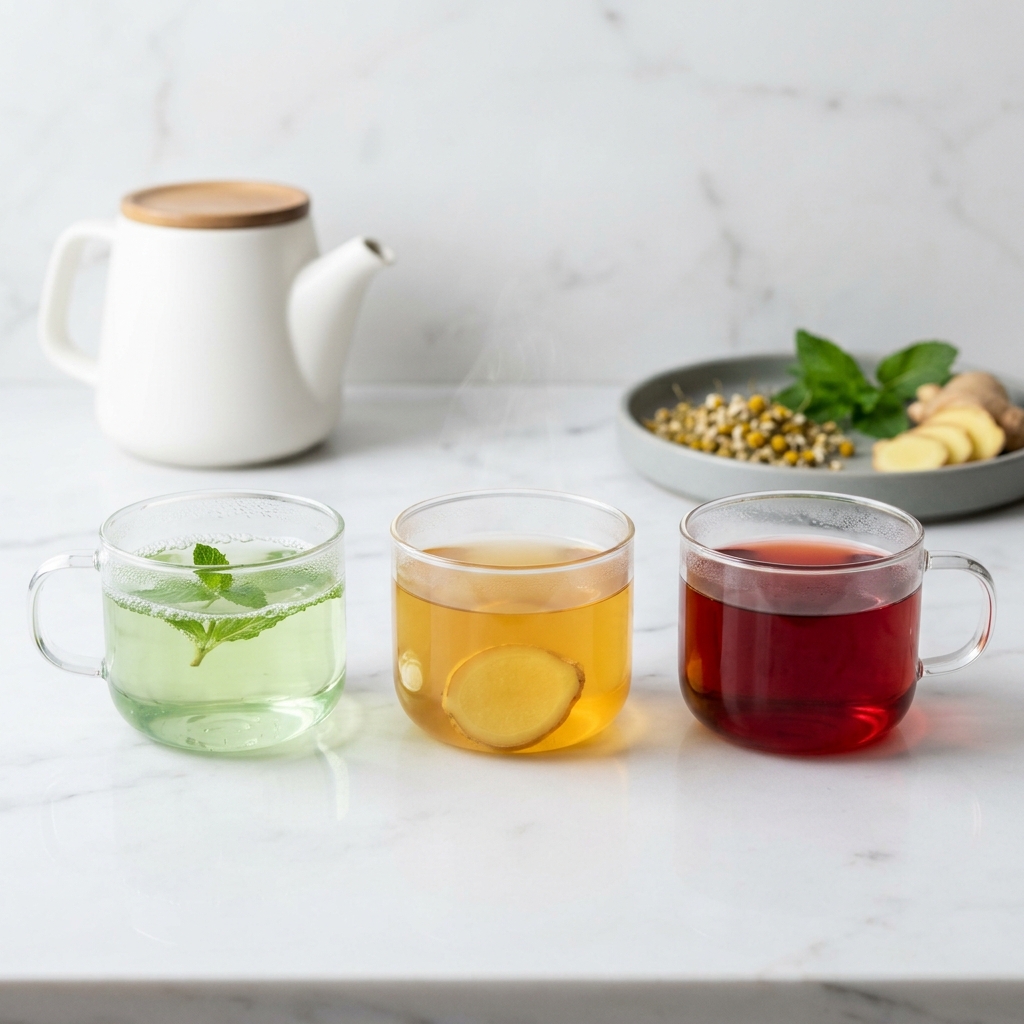
The Fast Answer: Most everyday teas are fine in pregnancy. Peppermint, ginger, rooibos, lemon and fruit teas are caffeine-free and safe in normal amounts, and chamomile is fine now and then. Black tea, green tea, chai and matcha are safe too, but they count toward ACOG's limit of under 200 mg of caffeine a day. The ones to skip are licorice root, pennyroyal, blue and black cohosh, dong quai, mugwort, St. John's wort and "detox" or laxative teas. Check with your provider before trying raspberry leaf tea.
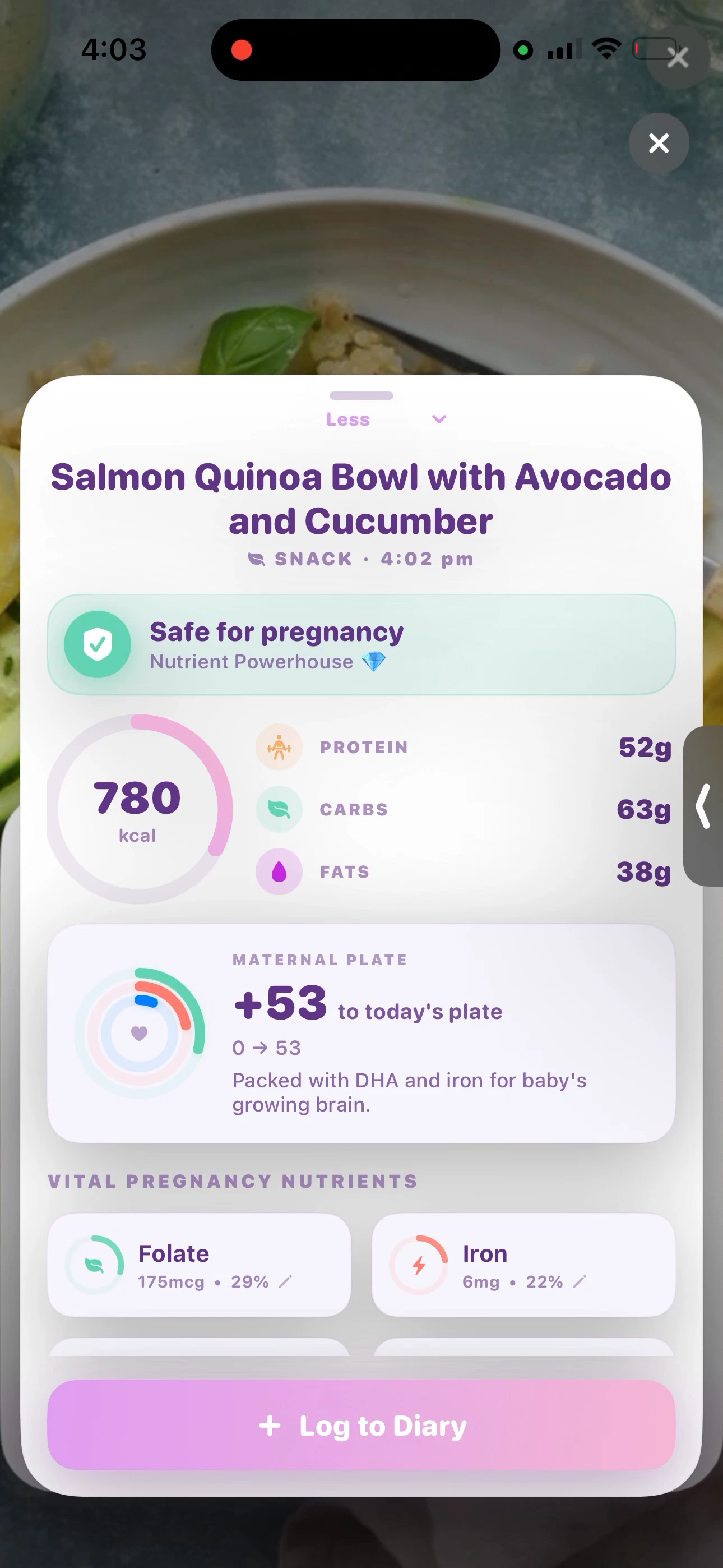
Check any drink for pregnancy safety in the PregnancyPlate AppYour next meal, a little less guesswork.
Scan your plate for pregnancy food-safety guidance and a nutrition breakdown. Keep your meals and nutrient progress in one place.
 Scan with your iPhone
to get the app
Last updated: October 19, 2026. Fully rewritten, with every common tea in one table, caffeine counts per cup, and links to our guides for individual teas.
Tea is one of the first things people reach for in pregnancy. It's warm, it settles a queasy stomach, and it feels like the healthy choice. Then you read that some herbs can bring on contractions, and suddenly the box of mixed tea bags in your cupboard looks like a puzzle.
The good news is that the teas most people actually drink are fine. The risky herbs are mostly ones you'd only find in specialty blends, supplements or "women's health" teas. This guide sorts every common tea into drink, limit or avoid, and explains the caffeine math for the teas that have it.
Which Teas Are Safe During Pregnancy?
Here's the whole picture in one table. The sections below explain each verdict, and the linked guides go deeper on the most popular teas.
| Tea | Verdict | Notes |
|---|---|---|
| Peppermint | Safe | Caffeine-free. Can help nausea and bloating, but may make heartburn worse. |
| Ginger | Safe | Caffeine-free. The best-studied tea for morning sickness. |
| Rooibos (red bush) | Safe | Caffeine-free and mild. A good swap for black tea. |
| Lemon, berry and fruit teas | Safe | Check the label for hibiscus, which many fruit blends contain. |
| Chamomile | Safe now and then | Little research either way, so keep it to the occasional cup. |
| Black tea, Earl Grey, English breakfast | Safe, count caffeine | About 48 mg per 8 oz cup. |
| Green tea | Safe, count caffeine | About 29 mg per 8 oz cup. |
| Matcha | Safe, count caffeine | Roughly 60 to 70 mg per teaspoon of powder. |
| Chai | Safe, count caffeine | Black tea with spices. Count it like black tea. |
| Decaf tea | Safe | About 2 mg per cup. |
| Hibiscus | Avoid | Not enough research in pregnancy. Many fruit blends contain it, so check the label. |
| Fennel | Limit | Fine as a cooking spice. Skip strong fennel tea. |
| Raspberry leaf | Ask first | Only late in pregnancy, and only with your provider's OK. |
| Licorice root | Avoid | Large amounts are linked to delivery before 38 weeks. |
| Pennyroyal, blue or black cohosh, dong quai, mugwort | Avoid | Traditionally used to bring on periods or labor. |
| St. John's wort, valerian | Avoid | Not enough safety data, and St. John's wort interacts with many medicines. |
| Detox, slimming or "cleanse" teas | Avoid | Often contain laxatives like senna. |
How Much Caffeine Is in Tea?
ACOG says that moderate caffeine, meaning less than 200 milligrams a day, doesn't cause miscarriage or preterm birth, and it reminds pregnant women that caffeine is in tea and chocolate as well as coffee. Here's how tea adds up, using Mayo Clinic's figures for an 8-ounce cup:
- Brewed black tea: about 48 mg
- Brewed green tea: about 29 mg
- Bottled black iced tea: about 26 mg
- Decaf black tea: about 2 mg
- Matcha: roughly 60 to 70 mg per teaspoon of powder, because you drink the whole ground leaf rather than steeping it
So if tea is your only caffeine, about four 8-ounce cups of black tea keeps you under 200 mg. Two things catch people out. First, most mugs hold 12 to 16 ounces, not 8, so one mug can be two "cups." Second, a strong brew or a long steep pulls out more caffeine. If you also drink coffee or soda, our caffeine and coffee guide shows how to share out the 200 mg.
Matcha needs the most care, since a large matcha latte can use two teaspoons or more. Our matcha pregnancy guide covers the caffeine and how to choose a good-quality powder.
The Safe Herbal Teas
Peppermint tea. Caffeine-free and one of the most popular pregnancy teas, especially for nausea and bloating. The catch is heartburn: peppermint can make reflux worse, which matters most in the third trimester. Drink it freely if it helps, and switch to ginger if you notice burning after a cup. Our peppermint tea guide has the details.
Ginger tea. The best-studied option for morning sickness. The NIH says research shows ginger may help with nausea and vomiting in pregnancy, and it suggests talking to your provider before using ginger supplements. Ginger tea made from tea bags or a few slices of fresh root is a food-level amount. Read our ginger tea guide for how much is reasonable and what changes near your due date.
Rooibos tea. A South African red bush tea that's naturally caffeine-free. It tastes close to black tea, takes milk well and is a good swap if you're cutting down on caffeine. There isn't much pregnancy-specific research, but it's widely considered fine in normal amounts.
Lemon, berry and fruit teas. Generally fine, and good cold as well as hot. Read the ingredients, because many fruit blends are built on hibiscus. Our peach tea guide shows what to look for on the label.
Chamomile tea. A cup at bedtime is very unlikely to cause a problem. The honest caveat is that the research on chamomile in pregnancy is thin rather than reassuring, so keep it occasional. Watch out for sleep blends that add valerian, like Sleepytime Extra. Our Sleepytime and chamomile guide goes through the ingredients.
Teas to Limit or Ask About
Raspberry leaf tea. This is the famous "labor prep" tea. The research is limited: a few small studies have looked at it late in pregnancy without showing clear benefits or clear harms, and there's no official US guidance recommending it. Because it's traditionally used to prepare the uterus for labor, don't drink it earlier in pregnancy. If you'd like to try it in the third trimester, ask your OB or midwife first, especially if you've had a previous C-section or any complications.
Fennel tea. Fennel seeds in cooking are fine. A strong fennel tea is a more concentrated dose of the plant's natural compounds, so we suggest choosing ginger or peppermint for bloating instead. Our fennel tea guide explains why.
Teas to Avoid During Pregnancy
Licorice root. The NIH says consuming licorice in large amounts during pregnancy is unsafe and can increase the risk of delivery before 38 weeks. Licorice root turns up in some throat-soothing, digestive and "sweet" herbal blends, so check the ingredients list. Black licorice candy made with real licorice extract counts too. Most red "licorice" candy doesn't contain any.
Pennyroyal, blue cohosh, black cohosh, dong quai and mugwort. These herbs are traditionally used to bring on periods or labor, which is exactly what you don't want. They aren't in ordinary supermarket tea, but they can turn up in specialty "women's health" or "fertility" blends.
Hibiscus. There isn't enough research on hibiscus in pregnancy to call it safe, and it's traditionally linked to bringing on periods. Skip hibiscus tea and agua de jamaica, and check fruit and "berry" blends, which often list hibiscus as a main ingredient.
St. John's wort and valerian. Both are sold as calming or sleep teas. There isn't enough safety data for pregnancy, and St. John's wort interacts with many medicines. Talk to your provider if you're struggling with mood or sleep.
Detox, slimming and cleanse teas. Many contain senna or other stimulant laxatives, and none of them are made for pregnancy. If constipation is the problem, our fiber and constipation guide has gentler fixes.
Pregnancy Tea Rules in One Box
- Peppermint, ginger, rooibos and fruit teas: fine in normal amounts.
- Chamomile: the occasional cup.
- Black, green, chai and matcha: count them toward under 200 mg of caffeine a day.
- Read the label on blends for licorice root, hibiscus and valerian.
- Raspberry leaf: only late in pregnancy, with your provider's OK.
- Skip detox teas and anything sold to bring on labor.
The Best Tea for Each Pregnancy Symptom
Nausea. Ginger first, then peppermint. Many people find a cold or iced version easier to keep down than a hot one. Our first trimester snacks guide pairs well with it.
Heartburn. Avoid peppermint, which can make reflux worse. Ginger or rooibos are gentler, and smaller cups help more than big ones.
Trouble sleeping. A caffeine-free tea like rooibos or the occasional chamomile, at least an hour before bed. Skip sleep blends with valerian.
Colds and sore throats. Warm ginger or lemon tea with honey. Honey is safe in pregnancy. The botulism warning about honey is for babies under one year old. Our cold and flu guide has more ideas, and the Starbucks Medicine Ball guide covers the coffee shop version.
Iced Tea, Bubble Tea and Coffee Shop Tea
Iced tea follows the same caffeine rules as hot tea, but the cups are much bigger. A large sweet tea from a fast food chain can hold a big share of your daily caffeine on its own, plus a lot of sugar. Unsweetened, half-and-half with lemonade, or a caffeine-free herbal iced tea are all lighter choices.
Bubble tea is usually black or green tea with milk, so count the caffeine and watch the sugar. Our bubble tea guide covers the toppings. For Starbucks, our pregnancy-safe Starbucks guide covers the caffeine in its teas and Refreshers.
Clinical Sources & Research
- ACOG: How Much Coffee Can I Drink While I'm Pregnant?.
- ACOG Committee Opinion: Moderate Caffeine Consumption During Pregnancy.
- Mayo Clinic: Caffeine Content for Coffee, Tea, Soda and More.
- NIH National Center for Complementary and Integrative Health: Ginger.
- NIH National Center for Complementary and Integrative Health: Licorice Root.
- ACOG: Morning Sickness: Nausea and Vomiting of Pregnancy.
This article is general information and does not replace advice from your doctor, midwife or dietitian. Herbal products aren't regulated like medicines, so check with your provider before using any herbal tea in large amounts or as a remedy.
Meet the Editorial Team
The researchers and experts behind PregnancyPlate.

Fiza Izra
Founder & Tech Researcher
A UK-based mother of 3 with a background in tech and data synthesis, Fiza brings real-world experience navigating hyperemesis gravidarum and postnatal depression. She engineers complex clinical guidelines (NHS, ACOG) into accessible tools, ensuring rigorous fact-checking with deep empathy.

Emma Davies
Senior Nutrition Editor
A mum and writer, Emma runs our food safety desk. She is the one who rings the restaurant to ask how long the lettuce sits out, checks every claim against CDC, FDA and NHS guidance, and rewrites the answer until it is usable at 9pm in a drive-thru queue.
Make sense of every plate.
Scan your plate for pregnancy food-safety guidance and a nutrition breakdown. Keep your meals and nutrient progress in one place.
Scan with your iPhoneto get the app