Does Eating Spicy Food During Pregnancy Affect the Baby? (Heartburn & Safety Myths)
Craving hot sauce but worried about the baby? We break down the clinical science behind spicy foods in pregnancy, the real cause of your heartburn, and why your baby might actually enjoy the flavor.
In this article
Editorial note: This article is researched from official public health and pregnancy food safety guidance, then edited by the PregnancyPlate team for clarity. It is not medical advice. If you are worried about symptoms or a specific exposure, contact your midwife, GP or healthcare provider.
Quick Answer: Good news! Enjoying spicy food during pregnancy is absolutely safe for your baby. The compound that brings the heat, capsaicin, doesn’t cross the placenta in a way that could cause any harm to your little one. The real challenge is for you, not your lovely bump: spicy meals are infamous for stirring up heartburn, acid reflux, and indigestion, particularly as your pregnancy progresses. If you find you can handle the heat without giving your digestive system too much trouble, there’s no need to hold back on those bold flavors.
Track Your Symptoms InstantlySafety is step one. Nutrition helps your baby thrive.
Knowing a meal is safe does not tell you whether you are getting enough iron, folate, calcium and choline. PregnancyPlate tracks all of it from a photo of your plate.
- See nutrient progress
- Scan meals instantly
- Nourish with confidence
 Scan to download
Open with iPhone camera
Scan to download
Open with iPhone camera
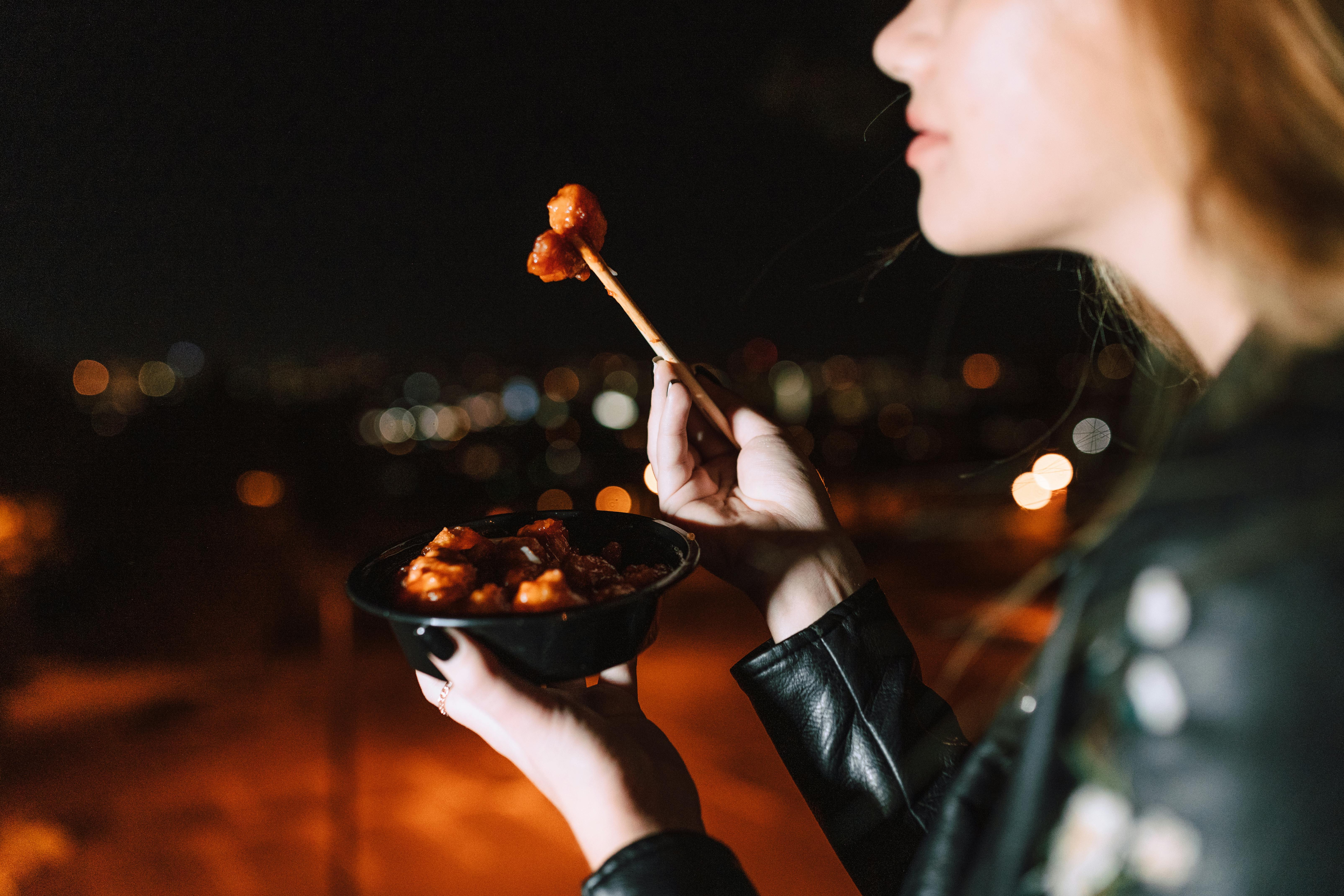
Whether it is a sudden, intense craving for jalapeños on a Tuesday morning or a desperate urge to drown your scrambled eggs in sriracha, spicy food cravings are super common in pregnancy. In fact, lots of women who only preferred mild, bland foods suddenly find themselves reaching for the hottest salsa on the supermarket shelf.
But when the craving hits, and you take that first bite, you can be suddenlt overcome with maternal guilt. But will eating a bowl of spicy vindaloo curry hurt the baby? Can capsaicin trigger preterm labor? Will the spice make the amniotic fluid literally burn the baby's eyes?
In short, absolutely no. But the longer, clinical answer involves a fascinating look at how your digestive system completely transforms during pregnancy, how aromatic flavors actually reach your baby in the womb, and why your favorite hot sauce might suddenly feel like a terrible mistake by your third trimester. Let us dive deep into the science of spice.
The Science of Capsaicin and the Placenta Barrier
To understand why spicy food is fundamentally safe for your baby, we have to look at the chemistry of what actually makes food "spicy." The intense heat in chili peppers, jalapeños, cayenne pepper, and hot sauces comes from an active chemical compound called capsaicin.
When you eat capsaicin, it physically binds to pain receptors in your mouth, esophagus, and digestive tract. This binding action tricks your brain into thinking you are experiencing actual, physical heat or tissue damage. According to clinical data published by the National Institutes of Health (NIH), this prompts your body to sweat, your nose to run, and your mouth to salivate in an attempt to "cool" the nonexistent burn.
However, this is entirely a localized neurological and inflammatory reaction within the mother's gastrointestinal tract. While essential nutrients, vitamins, and certain molecules pass directly through the placenta to nourish the growing baby, the physical "burn" of capsaicin does not cross the placental barrier in a way that damages fetal tissue. Your baby is securely cushioned inside the amniotic sac, completely isolated from the inflammatory sensations wreaking havoc in your stomach.
Flavoring the Amniotic Fluid: Does the Baby Taste the Spice?
While the physical burning sensation doesn't reach the baby, the flavor of the food you've consumed actually does! An incredible aspect of fetal development, right?
Around week 15 of pregnancy, your baby’s taste buds begin to develop. By week 21, your little buba is actively swallowing small amounts of amniotic fluid every single day. Studies have proven that the strong aromatic compounds in the foods you eat, such as garlic, curry spices, mint, ginger, and vanilla, can significantly alter the flavor profile of your amniotic fluid.
This means that if you regularly eat heavily spiced or aromatic foods during your second and third trimesters, you are actually introducing your baby to those cultural flavor profiles before they are even born.
Far from being harmful, pediatricians actually encourage eating a wide variety of aromatic and spiced foods during pregnancy. Babies who are exposed to diverse, strong flavor profiles in the womb are statistically far less likely to become picky eaters when they begin weaning and eating solid foods at six months old.
The Real Danger: Maternal Heartburn and Acid Reflux
If spicy food is perfectly safe for the baby, why do so many pregnancy blogs and doctors warn against it? The answer has absolutely nothing to do with the fetus and everything to do with the mother's gastrointestinal comfort.
During pregnancy, your body produces massive amounts of a hormone called progesterone. One of the primary biological functions of progesterone is to relax smooth muscle tissue, which crucially allows your uterus to expand as the baby grows. Unfortunately, progesterone is not selective. The American College of Obstetricians and Gynecologists (ACOG) notes that it also relaxes the lower esophageal sphincter, the vital muscular valve that separates your highly acidic stomach from your sensitive esophagus.
When this valve is artificially relaxed by pregnancy hormones, stomach acid can easily splash back up into your throat. Combine this loose valve with the intense physical pressure of a growing baby pushing upward against your stomach from the outside, and you have a perfect recipe for severe, chronic acid reflux. If you are struggling with nausea, check out our guide on bland dinner ideas for pregnancy to give your stomach a break.
Spicy foods, particularly those high in capsaicin, are notorious for irritating the stomach lining and triggering massive stomach acid production. Eating spicy food in the third trimester is essentially pouring gasoline on a fire that is already burning in your esophagus.
Will Spicy Food Induce Labor? (The Great Myth)
You have almost certainly heard the old wives' tale that eating a plate of incredibly spicy buffalo wings, a bowl of fiery vindaloo curry, or ordering "Level 5" Thai food can jumpstart labor if you are past your due date. But is there any clinical truth to this widespread rumor?
Currently, there is absolutely zero scientific or peer-reviewed evidence linking the consumption of spicy food to the onset of cervical dilation or true labor. The myth likely originated from the fact that extremely spicy food can cause severe gastrointestinal distress, intestinal cramping, and diarrhea in sensitive individuals.
When your intestines cramp violently due to digestive upset, it can sometimes trigger sympathetic "irritability" contractions in the neighboring uterus (often experienced as intense Braxton Hicks contractions). Because the intestines and the uterus sit so closely together in the abdominal cavity, digestive spasms are easily mistaken for early labor pains.
However, these gastrointestinal-induced cramps do not lead to actual cervical dilation. Eating spicy food to induce labor is vastly more likely to result in a severe stomach ache, a sleepless night of heartburn, and a trip to the bathroom rather than a trip to the delivery ward.
Are Specific Spices and Hot Sauces Safe?
While the concept of "spice" is generally safe, it is worth breaking down some of the most common spicy foods to ensure there are no hidden dangers:
- Sriracha and Hot Sauce: Perfectly safe. The main ingredients are chili peppers, vinegar, garlic, and sugar. The vinegar might actually help some women with mild heartburn, though the chili will likely counteract it.
- Jalapeños and Fresh Chilies: Safe, provided they are washed thoroughly to remove any potential soil bacteria or pesticides.
- Spicy Curries (Indian, Thai): Completely safe for the baby. However, curries are often very high in fat (from coconut milk or ghee), which slows digestion. High-fat meals combined with spicy ingredients are the ultimate trigger for third-trimester acid reflux.
- Wasabi: Safe! Interestingly, real wasabi (and the horseradish used to make fake wasabi) does not contain capsaicin. It contains allyl isothiocyanate, which creates a vapor that travels up your nasal passages. It is safe for pregnancy, but can cause intense sinus irritation.
How to Enjoy Spice Without the Burn
If you absolutely love spicy food but desperately want to avoid the dreaded third-trimester heartburn, you do not necessarily have to give it up completely. There are several clinical strategies you can use to enjoy your meals safely and comfortably:
1. Pair with Dairy (The Casein Cure): Casein, a specific protein found in mammalian milk and yogurt, actively binds to capsaicin molecules and physically washes them away from your pain receptors. Eating spicy curry with a side of plain yogurt (like cucumber raita) or drinking a glass of cold milk with your spicy tacos can neutralize the burn in your stomach before it causes massive acid production. You can use our PregnancyPlate Tracker App to log which meals cause you the most grief.
2. Eat Much Smaller Portions: Instead of eating a massive, restaurant-sized bowl of spicy chili, eat a very small portion and wait. This prevents your stomach from becoming physically over-distended, reducing the upward mechanical pressure on your weakened esophageal sphincter and minimizing acid splash-back.
3. Never Lay Down After Eating: Gravity is your absolute best friend when it comes to preventing pregnancy heartburn. Never eat a spicy meal right before bed. You must stay fully upright (sitting or standing) for at least two to three hours after eating spicy food to ensure your stomach has completely emptied its highly acidic contents into the small intestine before you lay horizontally.
4. Keep Antacids Handy: Calcium carbonate antacids (like Tums) are generally considered very safe during pregnancy and can neutralize stomach acid quickly if you overdo the spice. Always consult your OB-GYN before taking any new medications, even over-the-counter ones.
Last Bit
Ultimately, if you can handle the heat without suffering from crippling heartburn or digestive distress, there is absolutely no clinical reason to avoid spicy food during your pregnancy journey. Enjoy your hot sauce, embrace the jalapeños, and rest easy knowing you are perfectly safe, and you might just be raising a future foodie who loves big, bold flavors!
Sources
- National Institutes of Health (NIH), Capsaicin and Gastric Ulcer (2006).
- American College of Obstetricians and Gynecologists (ACOG), Morning Sickness and Nausea in Pregnancy (2024).
- National Library of Medicine (NIH), Prenatal and Postnatal Flavor Learning by Human Infants (2001).
Meet the Editorial Team
The researchers and experts behind PregnancyPlate.

Fiza Izra
Founder & Tech Researcher
A UK-based mother of 3 with a background in tech and data synthesis, Fiza brings real-world experience navigating hyperemesis gravidarum and postnatal depression. She engineers complex clinical guidelines (NHS, ACOG) into accessible tools, ensuring rigorous fact-checking with deep empathy.

Emma Davies
Senior Nutrition Editor
A mum and writer, Emma runs our food safety desk. She is the one who rings the restaurant to ask how long the lettuce sits out, checks every claim against CDC, FDA and NHS guidance, and rewrites the answer until it is usable at 9pm in a drive-thru queue.