Superfoods for the Third Trimester: Nourishing Your Body for Labour and Recovery
Nourish your body and fuel your baby's final growth spurt. We audit the top evidence-based superfoods for third-trimester energy, labour prep, and recovery.
In this article

Editorial note: This article is researched from official public health and pregnancy food safety guidance, then edited by the PregnancyPlate team for clarity. It is not medical advice. If you are worried about symptoms or a specific exposure, contact your midwife, GP or healthcare provider.
Quick Answer: Nutrition in the final weeks of pregnancy should focus on nutrient-dense foods that support fetal growth while preparing your muscles and tissues for birth. The top evidence-backed third-trimester superfoods include Medjool dates (to help shorten labour), wild-caught salmon (for brain-building DHA), Greek yogurt (for rapid bone calcification), eggs (for choline), spinach (for iron and Vitamin K), and chia seeds (for digestion and fibre).
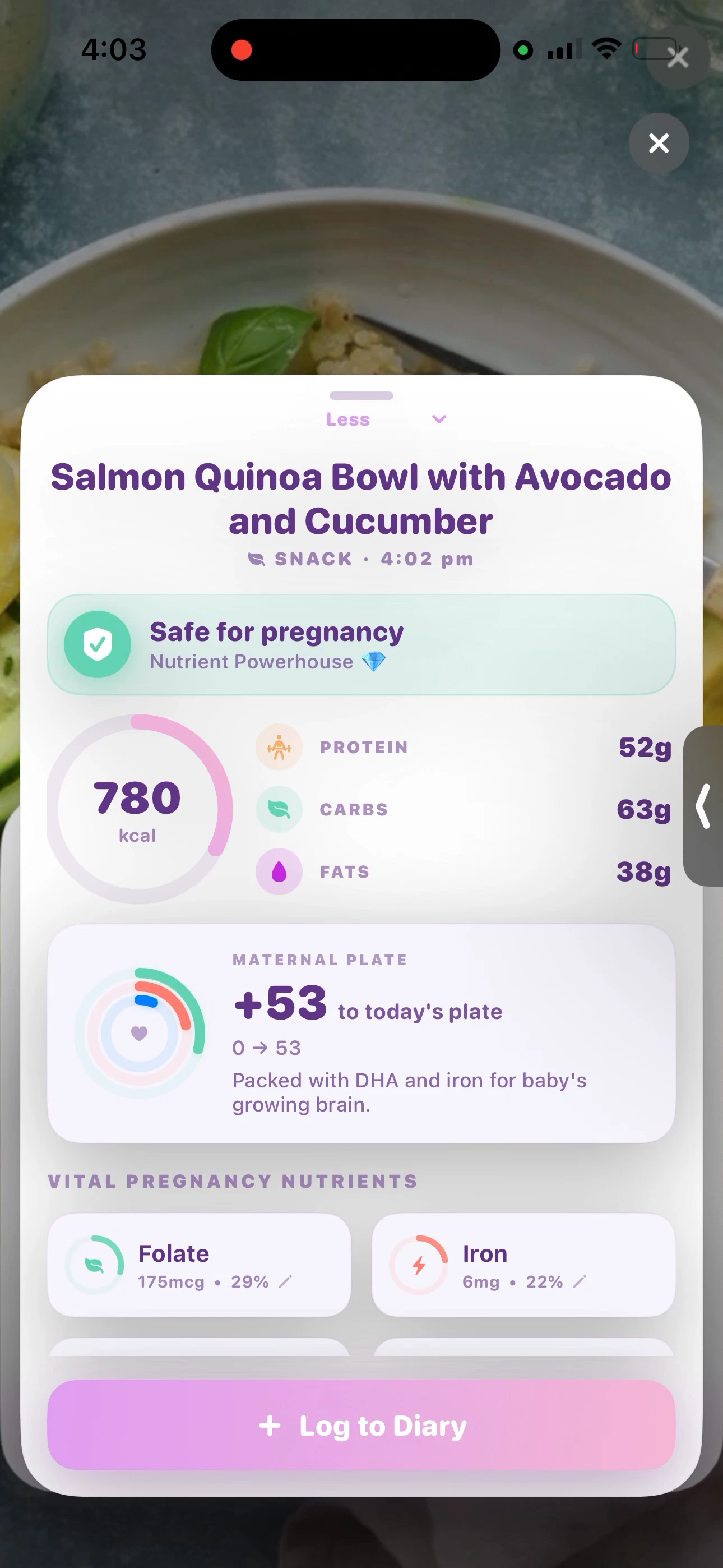
Track Your Third Trimester MacrosYour next meal, a little less guesswork.
Scan your plate for pregnancy food-safety guidance and a nutrition breakdown. Keep your meals and nutrient progress in one place.
 Scan with your iPhone
to get the app
As you enter the final stretch of pregnancy, your body undergoes some of its most intense physical transformations. Your baby is growing rapidly, your blood volume has expanded significantly, and your joints are preparing for the work of birth. It is a time of high energy demands, making nutrition more critical than ever.
But let us clear up a common misconception: eating for the third trimester is not about volume. It is about nutrient density. You only need about 450 extra calories per day in these final weeks, which is roughly the equivalent of a small meal or a couple of nutrient-dense snacks. The goal is to focus on specific foods that do double duty: supporting your baby's final growth spurt while preparing your own muscles and tissues for labour and recovery.
To cut through the noise of viral social media pregnancy advice, I have analyzed the clinical recommendations of the American College of Obstetricians and Gynecologists (ACOG), the National Health Service (NHS), and peer-reviewed obstetric literature. My goal is to outline a clear, evidence-based roadmap of the key nutrients your body actually needs during these final weeks.
The Labour Preparation Champion: Medjool Dates
If you are active in pregnancy communities, you have likely heard about eating dates to prepare for birth. Unlike many viral food myths, this one actually has strong scientific backing.
Several clinical trials have evaluated the effects of eating dates in the final weeks of pregnancy. One notable study published in the Journal of Obstetrics and Gynaecology found that women who consumed six dates daily for the four weeks prior to their estimated due date had significantly higher cervical dilation upon admission to the hospital, a higher rate of intact membranes, and a shorter latent phase of labour. Additionally, they were much less likely to need medical induction.
Medjool dates work because they contain compounds that mimic oxytocin, the hormone responsible for uterine contractions. They are also packed with potassium, magnesium, and fibre, which helps maintain energy levels and prevent late-pregnancy sluggishness.
How to eat them: Aim for four to six dates per day starting around week 36. If you find them too sweet, pair them with almond butter to balance the sugars, or chop them into oatmeal. For more quick labour fuels, read our Hospital Bag Snack List.
The Brain and Development Anchor: Wild-Caught Salmon
During the third trimester, your baby's brain undergoes a massive growth spurt, rapidly developing folds and forming billions of neural connections. To fuel this growth, your baby requires a continuous supply of Docosahexaenoic Acid (DHA), which is a key Omega-3 fatty acid.
Oily fish is the most bioavailable source of DHA. Salmon is the ideal choice because it is exceptionally high in Omega-3s while remaining low in mercury. According to ACOG guidelines, pregnant women should aim for two to three servings of low-mercury fish per week. Beyond brain development, the healthy fats in salmon help support the placenta, regulate your blood pressure, and reduce systemic inflammation.
Salmon also provides a natural source of Vitamin D, which is essential for calcium absorption and fetal immune function.
Safety note: To avoid foodborne pathogens, ensure your salmon is cooked to an internal temperature of 145°F (63°C). If you are looking for plant-based alternatives or more details on fats, check out our Omega-3 DHA Guide.
The Skeletal Support System: Greek Yogurt
In the final trimester, your baby's bones are rapidly hardening. This process of calcification requires a massive amount of calcium. If your diet does not provide enough, your body will draw calcium directly from your own bones, putting you at risk for bone density loss later in life.
Greek yogurt is a calcium powerhouse, delivering about 200 milligrams per serving. It also provides double the protein of standard yogurt, which is crucial for building and repairing tissues as your body prepares for the physical strain of labour. The probiotics in yogurt also support gut health, which can help manage the slow digestion and bloating caused by high progesterone levels.
How to eat it: Choose plain, full-fat Greek yogurt to avoid the massive amount of added sugars found in flavoured varieties. Top with chia seeds and berries for a balanced snack. If you are auditing dairy safety, read our Feta and Soft Cheese Safety Audit.
The Blood and Tissue Builders: Eggs
Eggs are one of the most nutritionally complete foods available, making them a staple for third-trimester health. They are an excellent source of high-quality protein and contain a vital nutrient called choline.
Choline is critical for fetal brain development and the structure of cell membranes. Despite its importance, research shows that the vast majority of pregnant women do not meet the recommended daily intake of 450 milligrams. Two large eggs provide about 300 milligrams of choline, covering a significant portion of your daily target.
Eggs also contain iron, Vitamin D, and Vitamin B12, all of which support red blood cell production. This is essential as your body prepares for the blood loss that naturally occurs during delivery.
Safety note: Always cook your eggs until both the white and the yolk are completely firm to eliminate the risk of Salmonella. Avoid raw or runny yolks in dishes like homemade mayonnaise.
The Blood Volume Support: Spinach and Leafy Greens
Your blood volume reaches its peak expansion in the third trimester. Without adequate iron, your body cannot produce enough hemoglobin, which leads to gestational anemia, fatigue, and a higher risk of postpartum depression.
Spinach, kale, and Swiss chard are excellent sources of plant-based iron and folate. They also provide Vitamin K, which is a nutrient critical for blood clotting. Your body will need adequate Vitamin K to manage bleeding after birth.
Because the iron in greens is non-heme iron, it is not absorbed as easily as the iron in meat. You can double your absorption by pairing your greens with a Vitamin C source, such as bell peppers, strawberries, or a squeeze of fresh lemon juice.
How to eat them: Steam or sauté spinach with olive oil and garlic, then squeeze fresh lemon juice over the top. For more tips on managing iron levels and energy, consult our Iron and Protein Guide.
The Digestive Regulator: Oats and Chia Seeds
Third-trimester constipation is an incredibly common and uncomfortable symptom, caused by both hormonal changes and the physical pressure of your growing uterus on your digestive tract.
Oats and chia seeds are excellent sources of soluble and insoluble fibre. Soluble fibre absorbs water and forms a gel-like substance, which helps soften stools and keep them moving through your system. Chia seeds are especially effective, absorbing up to ten times their weight in water. They are also rich in plant-based Omega-3 fats.
Oats also provide slow-release complex carbohydrates, which help keep your blood sugar stable and prevent the energy crashes that are common in late pregnancy.
How to eat them: Make overnight oats by mixing rolled oats, chia seeds, Greek yogurt, and milk. Let it sit in the fridge overnight and top with fresh berries in the morning. If you are struggling with chronic constipation, read our Pregnancy Constipation and Fiber Guide.
The Fluid Balance Regulator: Avocado
Avocados are packed with monounsaturated healthy fats, which help keep you satisfied and support baby's skin and brain growth. They are also an excellent source of potassium.
Late-pregnancy swelling, or edema, is common as your body retains extra fluids. Potassium plays a key role in regulating fluid balance and counteracting the effects of sodium in your diet. Eating potassium-rich foods can help manage mild swelling in your feet and ankles.
Avocados are also high in folate, Vitamin C, and Vitamin B6, which can help ease any remaining nausea or indigestion.
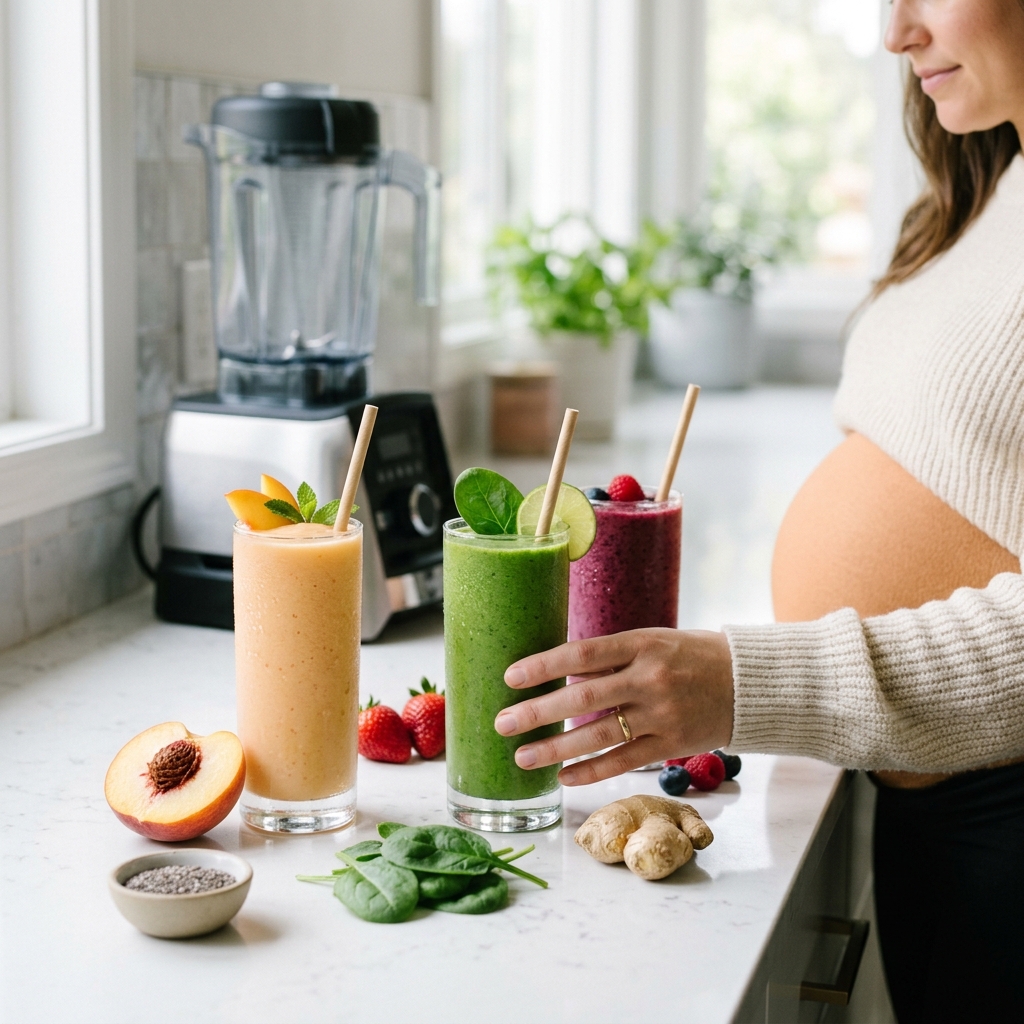
How to eat them: Spread avocado on whole-grain toast, toss slices into salads, or blend half an avocado into a morning smoothie for a creamy texture without the need for ice cream.
Managing Third-Trimester Symptoms with Food
What you eat can also help you manage some of the most uncomfortable symptoms of late pregnancy.
Heartburn and Acid Reflux
As your uterus grows, it pushes your stomach upward, forcing stomach acid into your esophagus. To minimize this, avoid large meals and instead eat five to six small, nutrient-dense meals throughout the day. Avoid highly acidic foods, fried dishes, and caffeine. Pairing your meals with a small glass of milk can also help soothe the burn.
Gestational Diabetes
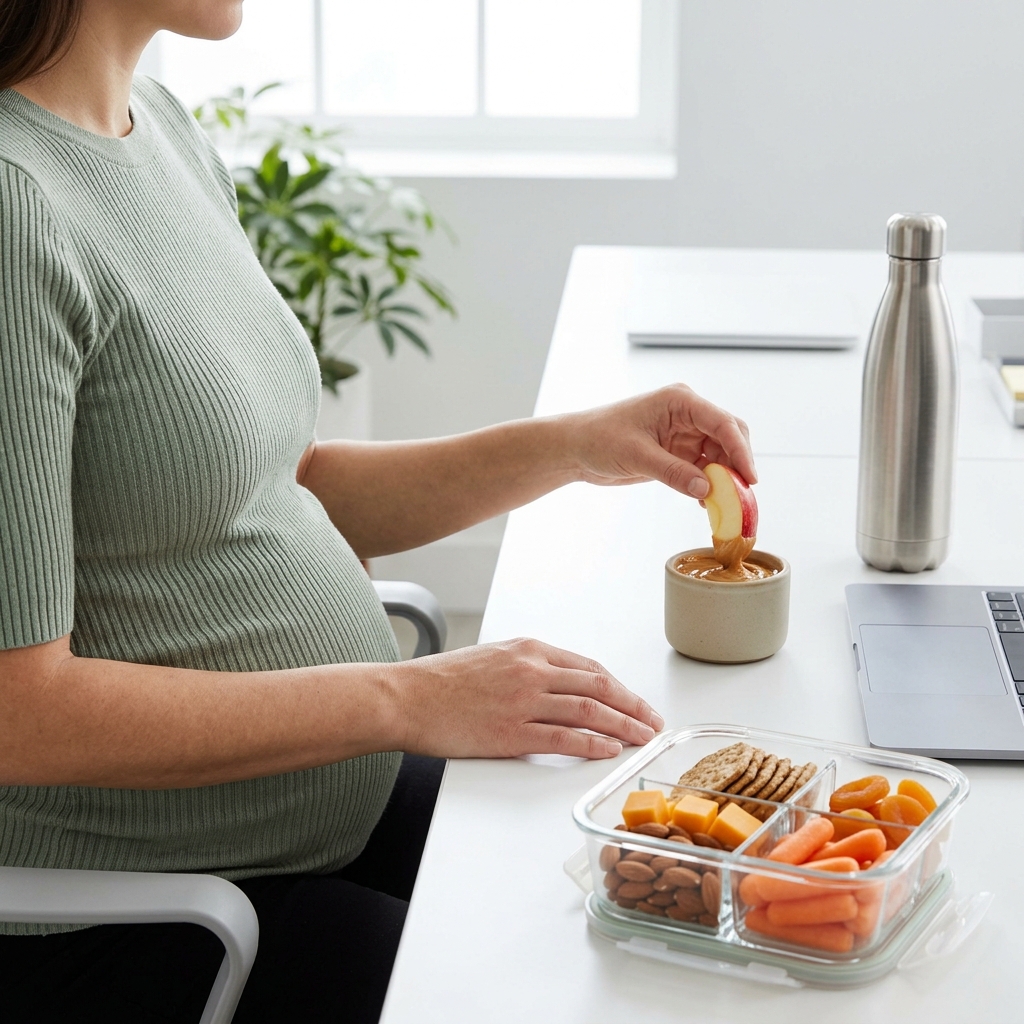
If you are managing gestational diabetes, you must be strategic about your carbohydrate intake. Always pair carbs with a protein or a healthy fat to slow down glucose absorption. For example, eat an apple with peanut butter rather than alone. For a complete strategy, read our Gestational Diabetes Survival Guide.
A Sample Third-Trimester Day of Eating
Here is a simple, nutrient-dense meal plan designed to hit your key targets:
- Breakfast: Overnight oats made with rolled oats, chia seeds, Greek yogurt, and almond milk, topped with sliced banana and a handful of walnuts.
- Morning Snack: Two hard-boiled eggs with a pinch of salt and a small orange.
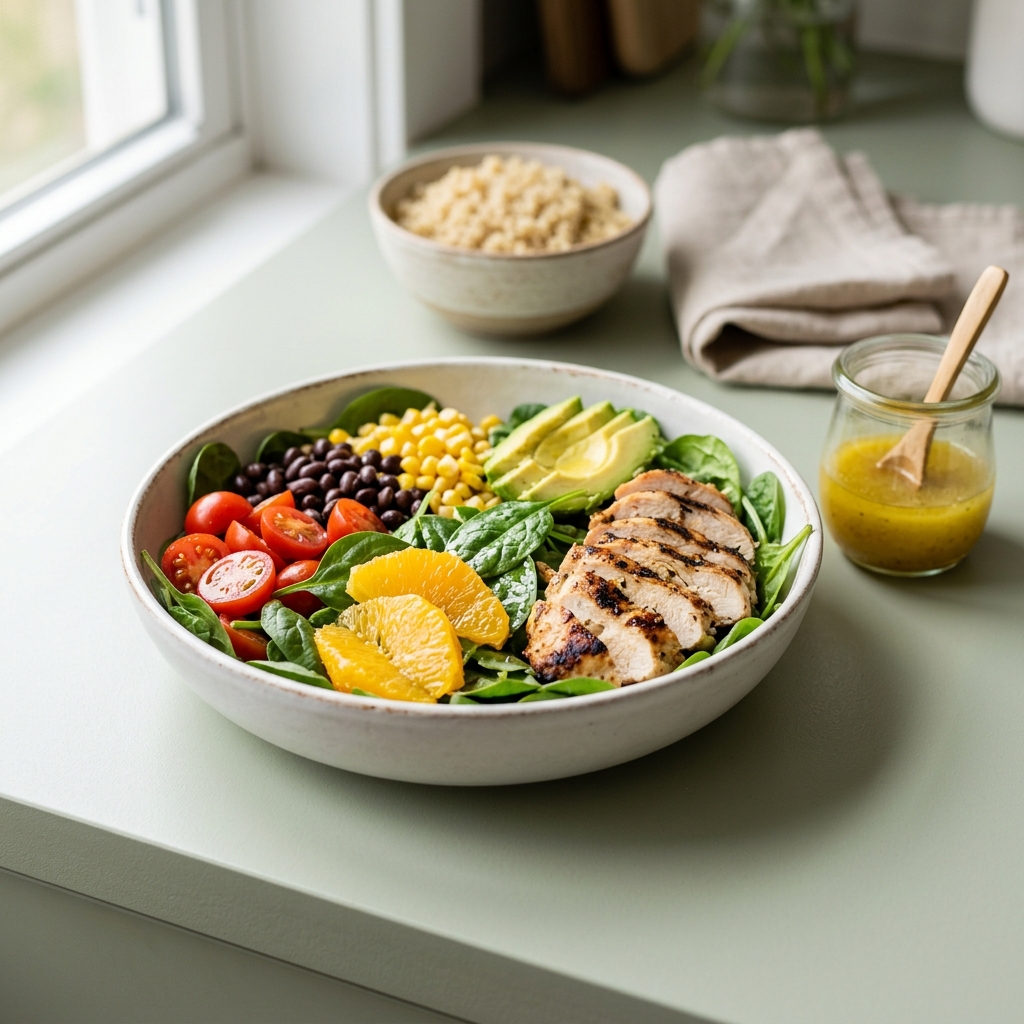
- Lunch: A large spinach salad with grilled chicken breast, sliced avocado, cherry tomatoes, cucumbers, and an olive oil dressing.
- Afternoon Snack: Four Medjool dates stuffed with almond butter.
- Dinner: Pan-seared salmon served with quinoa and steamed broccoli drizzled with olive oil and lemon juice.
- Bedtime Snack: A small bowl of cottage cheese with sliced peaches.
Our Editorial Verdict
The final weeks of pregnancy are physically demanding, but focusing on nutrient density can help you maintain your energy, prepare for birth, and support your baby's final growth spurt. Prioritise dates for labour prep, salmon for brain health, greens for iron, and oats for digestion.
Most importantly, listen to your body. Eat small, frequent meals, stay hydrated, and rest when you need to. You are doing the hard work of building a human being, and your body is well-equipped for the journey ahead.
Sources
- American College of Obstetricians and Gynecologists (ACOG), Women's Health FAQ and Resources (2024).
- National Health Service (NHS), Have a healthy diet in pregnancy (2023).
- Journal of Obstetrics and Gynaecology, The effect of late pregnancy consumption of date fruit on labour and delivery (2011).
- National Institutes of Health (NIH), Choline: An Essential Nutrient for Public Health (2008).
Is Your Meal Plan Baby-Approved?
Your nutritional needs are changing week by week. Don't guess; track your progress. Download the PregnancyPlate App today. Our built-in "Trimester Navigator" adjusts your macro targets automatically, ensuring you hit your DHA and Iron goals while tracking your healthy weight gain trajectory in 2026.
Meet the Editorial Team
The researchers and experts behind PregnancyPlate.

Fiza Izra
Founder & Tech Researcher
A UK-based mother of 3 with a background in tech and data synthesis, Fiza brings real-world experience navigating hyperemesis gravidarum and postnatal depression. She engineers complex clinical guidelines (NHS, ACOG) into accessible tools, ensuring rigorous fact-checking with deep empathy.

Emma Davies
Senior Nutrition Editor
A mum and writer, Emma runs our food safety desk. She is the one who rings the restaurant to ask how long the lettuce sits out, checks every claim against CDC, FDA and NHS guidance, and rewrites the answer until it is usable at 9pm in a drive-thru queue.
Make sense of every plate.
Scan your plate for pregnancy food-safety guidance and a nutrition breakdown. Keep your meals and nutrient progress in one place.
Scan with your iPhoneto get the app