Ginger Tea During Pregnancy: Nausea Relief vs. Third Trimester Risks
Ginger is the gold standard for first-trimester nausea, but is it safe as you approach labor? We audit the clinical dosage limits, third-trimester bleeding risks, and safely navigating heartburn.
In this article
Editorial note: This article is researched from official public health and pregnancy food safety guidance, then edited by the PregnancyPlate team for clarity. It is not medical advice. If you are worried about symptoms or a specific exposure, contact your midwife, GP or healthcare provider.
Quick Answer: Ginger tea is highly effective and safe for relieving first-trimester nausea when kept under the clinical limit of 1,000 milligrams of ginger root per day. However, during the third trimester, high concentrations of ginger can act as a mild blood thinner and may increase the risk of bleeding during delivery. You should stick to commercially bagged tea, avoid potent raw ginger shots entirely, and scale back your consumption as you approach your due date.
Track Your Fluid Intake InstantlySafety is step one. Nutrition helps your baby thrive.
Knowing a meal is safe does not tell you whether you are getting enough iron, folate, calcium and choline. PregnancyPlate tracks all of it from a photo of your plate.
- See nutrient progress
- Scan meals instantly
- Nourish with confidence
 Scan to download
Open with iPhone camera
Scan to download
Open with iPhone camera
When morning sickness hits its peak during the first trimester, the kitchen counter often transforms into a makeshift pharmacy. Before writing a prescription for clinical anti-nausea medications like Zofran or Diclegis, most obstetricians will recommend trying ginger. For centuries, ginger has served as the global remedy for an upset stomach. But when you are pregnant, the line between a soothing herbal tea and a potent medicinal supplement becomes incredibly thin.
Just because a substance is natural does not mean it is harmless. Herbal remedies interact with your cellular biology just like synthetic drugs do. When you boil ginger root in water, you are extracting powerful active compounds that can influence everything from your digestive tract to your blood's ability to clot.
In this comprehensive clinical audit, we break down exactly how ginger interacts with your body during pregnancy, the strict dosage limits you need to memorize, and why your third-trimester tea habits require serious re-evaluation before you head into the delivery room.
The Science of Gingerol and Morning Sickness
To understand why ginger works so well for morning sickness, we have to look at the chemistry of the root itself. The primary active compounds in raw ginger are known as gingerols. When you expose ginger to heat (by brewing it into tea or cooking it), these gingerols undergo a chemical transformation into shogaols.
Both gingerols and shogaols are incredibly potent bioactive compounds. When you consume ginger tea, these compounds travel to your digestive tract and interact directly with the serotonin receptors located in your stomach lining and intestines.
During early pregnancy, soaring levels of the hCG hormone often cause these serotonin receptors to become hyper-sensitive, which triggers the nausea center in your brain. Gingerols act as a localized anesthetic for your stomach. More importantly, they function as a prokinetic agent. This means they physically accelerate gastric emptying, forcing food and trapped gas to move out of your stomach and into your intestines at a much faster rate.
When your stomach empties efficiently, it prevents the physical buildup of gastric pressure that ultimately triggers the gag reflex and vomiting. A comprehensive review by the National Institutes of Health (NIH) confirms that ginger is statistically just as effective as vitamin B6 in reducing the severity and frequency of pregnancy-associated nausea.
Hyperemesis Gravidarum vs. Standard Nausea
While ginger is a miracle worker for standard first-trimester nausea, it is vital to manage your expectations if you have been diagnosed with Hyperemesis Gravidarum (HG). HG is characterized by severe, relentless vomiting that leads to dehydration, weight loss, and electrolyte imbalances.
For HG sufferers, a cup of ginger tea is rarely enough to halt the vomiting cycle. In fact, the strong, spicy flavor of ginger can sometimes trigger an aversion or aggravate the esophagus if vomiting has already occurred. If you cannot keep fluids down for more than 24 hours, you must bypass the herbal remedies and seek intravenous hydration and pharmacological intervention from your healthcare provider.
The Strict 1,000 Milligram Daily Limit
The American College of Obstetricians and Gynecologists (ACOG) officially recognizes ginger as a safe non-pharmacological treatment for pregnancy nausea. However, this safety endorsement comes with a massive caveat. Safety depends entirely on the dosage.
The clinical maximum limit for pregnant women is 1,000 milligrams (1 gram) of ginger extract per day.
Surpassing this limit pushes you out of the "culinary use" category and into the "medicinal supplement" category, which brings a host of potential side effects. To put this 1,000-milligram limit into a practical perspective, we need to look at how you are consuming your ginger:
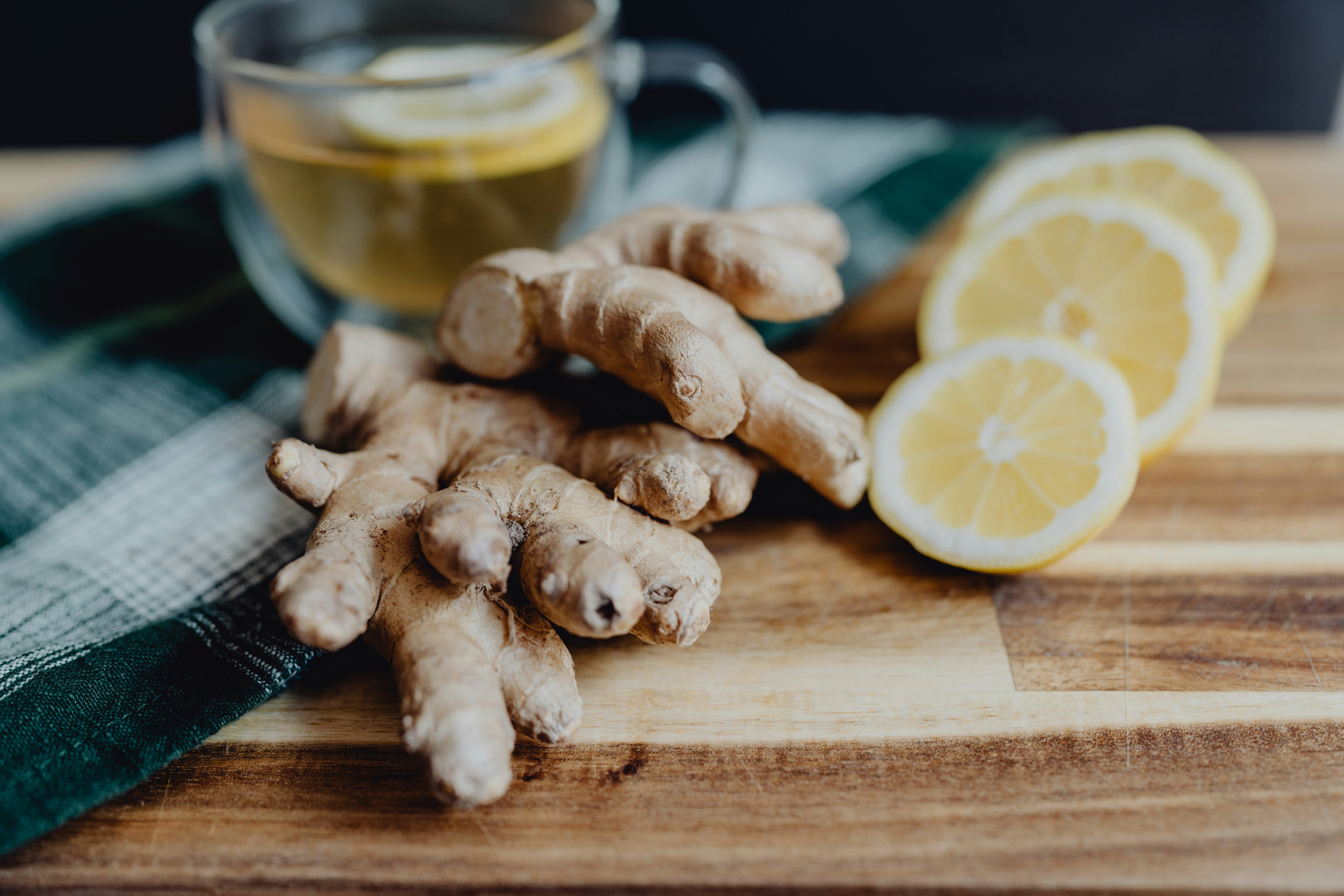
- ☕ Commercial Ginger Tea Bags: This is the absolute safest way to consume ginger during pregnancy. A standard cup of steeped ginger tea (like Twinings, Traditional Medicinals, or Yogi Tea) contains roughly 250 milligrams of ginger extract. This means you can safely drink up to four cups spread out evenly throughout the day without crossing the threshold.
- 🌱 Fresh Raw Ginger Root: Grating fresh ginger into hot water is popular, but it makes dosage tracking incredibly difficult. One single teaspoon of freshly grated raw ginger root yields approximately 1,000 milligrams. If you are aggressively grating raw ginger into your morning mug, you might be hitting your daily limit in just one serving.
- 💊 Ginger Supplements and Capsules: Many prenatal vitamins or morning sickness supplements contain dehydrated ginger powder. You must read the nutrition label carefully. If a supplement contains 500 milligrams per capsule, taking two a day puts you at your absolute maximum limit, leaving no room for ginger tea or ginger ale.
The Danger of Cold-Pressed "Wellness Shots"
In recent years, cold-pressed juice bars and grocery stores have popularized the "immunity wellness shot." These tiny bottles typically feature a blend of lemon, cayenne pepper, and highly concentrated, cold-pressed raw ginger juice.
These shots are actively dangerous during pregnancy. The concentration of ginger in a single two-ounce wellness shot can easily exceed 2,000 to 3,000 milligrams. This is double or triple the safe clinical limit for a pregnant woman in a single gulp. Consuming ginger at these extreme pharmacological doses can lead to severe gastrointestinal distress, extreme heartburn, and dangerous alterations in your blood coagulation. You must avoid concentrated wellness shots entirely until after your baby is born.
Third Trimester Risks: Blood Thinning and Hemorrhage
As you transition out of the second trimester and into the third, your relationship with ginger needs to fundamentally change. The intense nausea of the first trimester has likely subsided, but new challenges arise as your body prepares for labor and delivery.
High doses of gingerol have well-documented anti-platelet properties. Platelets are the blood cells responsible for clumping together to form clots and stop bleeding. When you consume large amounts of ginger, you are essentially introducing a mild blood thinner into your system, preventing your blood from clotting efficiently.
While a standard, weak cup of bagged ginger tea is generally harmless, consuming highly concentrated ginger supplements or heavily steeped raw ginger in the weeks immediately leading up to your due date presents a very real hemorrhage risk.
Childbirth, whether vaginal or via a Cesarean section, involves significant blood loss. If your blood is artificially thinned by excessive herbal supplement use, it becomes much harder for your body to stop postpartum bleeding. If you have an underlying bleeding disorder, if you have a history of spotting, or if you are scheduled for a C-section, excessive ginger consumption can drastically increase intraoperative blood loss.
The safest clinical protocol is to scale back your ginger consumption significantly after week 32.
Does Ginger Induce Preterm Labor?
If you browse pregnancy forums, you will inevitably find warnings that ginger causes miscarriages or induces preterm labor. We need to separate clinical fact from internet fiction.
There is a theoretical concern among some herbalists that mega-doses of ginger could potentially stimulate uterine contractions because ginger impacts prostaglandin synthesis. Prostaglandins are the lipids that help the cervix dilate and the uterus contract during labor.
However, large-scale, peer-reviewed clinical trials have never proven a direct link between standard ginger consumption and preterm labor or miscarriage. A meta-analysis of multiple studies showed no increased risk of adverse fetal outcomes when women consumed ginger within the 1,000-milligram daily limit. The risk of uterine stimulation only becomes a theoretical concern when women take massive, unmeasured doses of concentrated ginger extracts.
By sticking to commercial tea bags and staying under the one-gram limit, your uterus is completely safe.
The Heartburn Paradox
There is a cruel irony in using ginger tea for stomach relief during pregnancy. While it stops nausea brilliantly in the first trimester, it can cause excruciating pain in the third trimester due to heartburn.
As your baby grows larger, your expanding uterus pushes your stomach upwards. Simultaneously, the hormone progesterone relaxes the esophageal sphincter (the muscular valve that keeps stomach acid from splashing up into your throat). Because ginger is inherently spicy and acidic, drinking concentrated ginger tea can severely aggravate the delicate lining of your esophagus, triggering intense acid reflux.
If you are experiencing severe third-trimester heartburn, ginger tea is no longer your friend. You should immediately pivot away from spicy or acidic liquids.
Safe Alternatives for the Third Trimester
If you need a soothing, warm beverage in the final weeks of your pregnancy but want to avoid the blood-thinning and heartburn risks of ginger, you have several excellent options:
- Peppermint Tea: Peppermint is a fantastic antispasmodic. It relaxes the muscles of the digestive tract and can significantly reduce third-trimester bloating and trapped gas. However, if you already have severe heartburn, peppermint can sometimes make it worse by over-relaxing the esophageal valve.
- Chamomile Tea: A weak cup of chamomile tea is excellent for anxiety and promoting sleep during those uncomfortable final weeks. Limit yourself to one or two cups a day, as massive amounts of chamomile have their own set of warnings.
- Warm Lemon Water: A squeeze of fresh lemon in warm water can aid digestion, provide a subtle dose of vitamin C, and soothe the stomach without altering your blood coagulation.
Navigating Ginger Ale, Candies, and Chews
Pregnant women often reach for ginger ale or ginger candies when they cannot stomach a hot cup of tea. While these are safe, they are often entirely ineffective.
Commercial ginger ales (like Canada Dry or Schweppes) contain virtually zero actual ginger root extract. They are overwhelmingly composed of carbonated water, high fructose corn syrup, and artificial flavorings. While the carbonation might help you burp and relieve some trapped gas, the massive spike in refined sugar will only destabilize your blood glucose levels. If you have Gestational Diabetes, commercial ginger ale is strictly off-limits.
The same rule applies to most ginger candies or lollipops. Unless the packaging explicitly states that the product is made with real, measured ginger extract (like Gin-Gins or specific prenatal nausea lozenges), you are simply consuming pure sugar. Always read the ingredient labels to ensure you are actually getting the medicinal benefits of the root, and remember to count those milligrams toward your 1,000-milligram daily limit.
Summary: The Safe Tea Checklist
If you are relying on ginger tea to survive the first trimester, simply run your habits against this final checklist to ensure both you and your baby remain perfectly safe:
- Track Your Milligrams: Never exceed 1,000 milligrams of ginger extract per day.
- Stick to Commercial Bags: Pre-packaged tea bags ensure a standardized, low-dose extraction that is impossible to accidentally overdo.
- Avoid the Juice Bar: Do not drink cold-pressed ginger wellness shots or take concentrated ginger capsules without explicit, written approval from your OB-GYN.
- Pivot in the Third Trimester: If you are nearing your due date, have a history of spotting, or are scheduled for a surgical delivery, stop consuming heavy amounts of ginger to protect your blood's clotting ability.
- Watch the Sugar: Swap sugary ginger ales for real ginger tea or a high-quality, low-sugar ginger beer that uses actual root extract.
By respecting the potency of this incredible root, you can harness its nausea-crushing benefits without ever putting your pregnancy at risk. Want to easily track your ginger tea consumption alongside your daily water goals? Download the PregnancyPlate App today.
1. American College of Obstetricians and Gynecologists (ACOG). Morning Sickness: Nausea and Vomiting of Pregnancy. ACOG, 2024.
2. National Institutes of Health (NIH). A systematic review and meta-analysis of the effect and safety of ginger in the treatment of pregnancy-associated nausea and vomiting. Nutrition Journal, 2014.
3. National Library of Medicine. Ginger for nausea and vomiting in pregnancy: randomized, double-masked, placebo-controlled trial. Obstetrics & Gynecology, 2012.
Meet the Editorial Team
The researchers and experts behind PregnancyPlate.

Fiza Izra
Founder & Tech Researcher
A UK-based mother of 3 with a background in tech and data synthesis, Fiza brings real-world experience navigating hyperemesis gravidarum and postnatal depression. She engineers complex clinical guidelines (NHS, ACOG) into accessible tools, ensuring rigorous fact-checking with deep empathy.

Emma Davies
Senior Nutrition Editor
A mum and writer, Emma runs our food safety desk. She is the one who rings the restaurant to ask how long the lettuce sits out, checks every claim against CDC, FDA and NHS guidance, and rewrites the answer until it is usable at 9pm in a drive-thru queue.