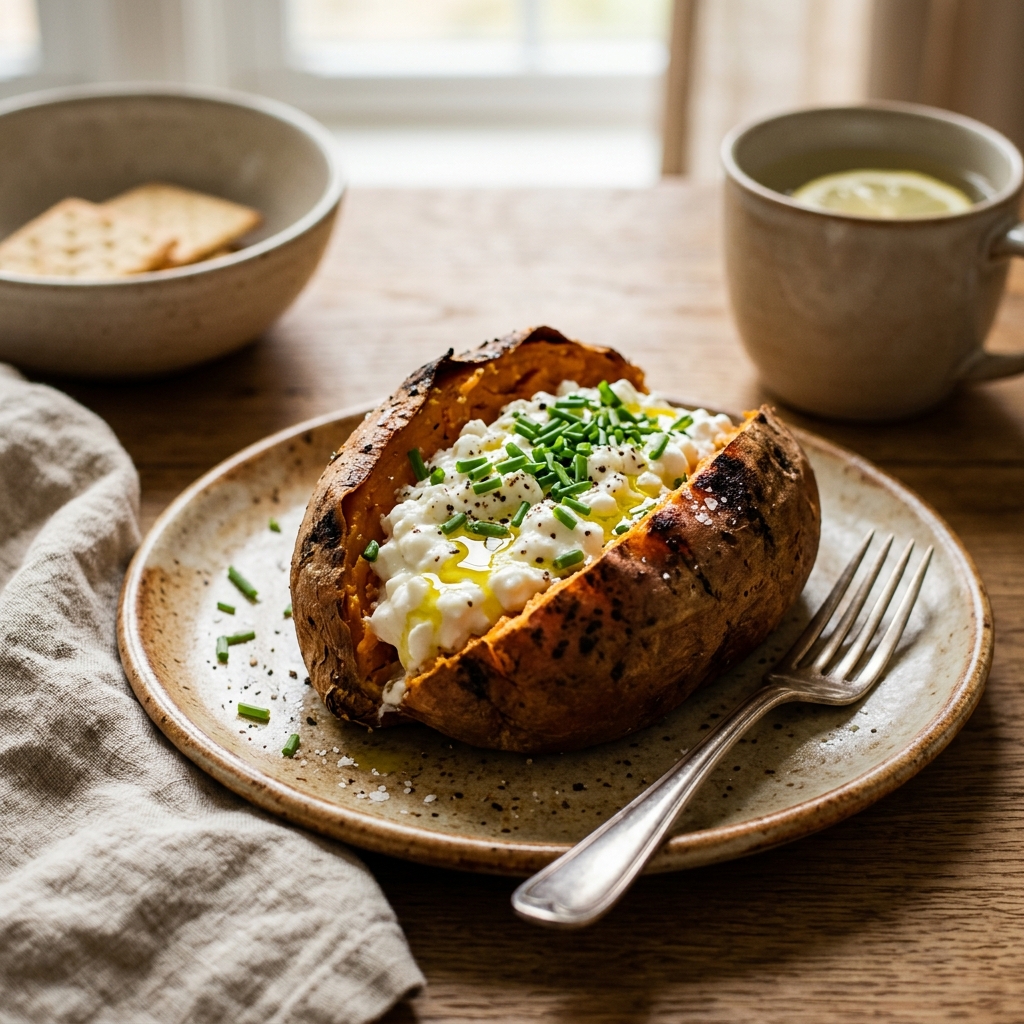
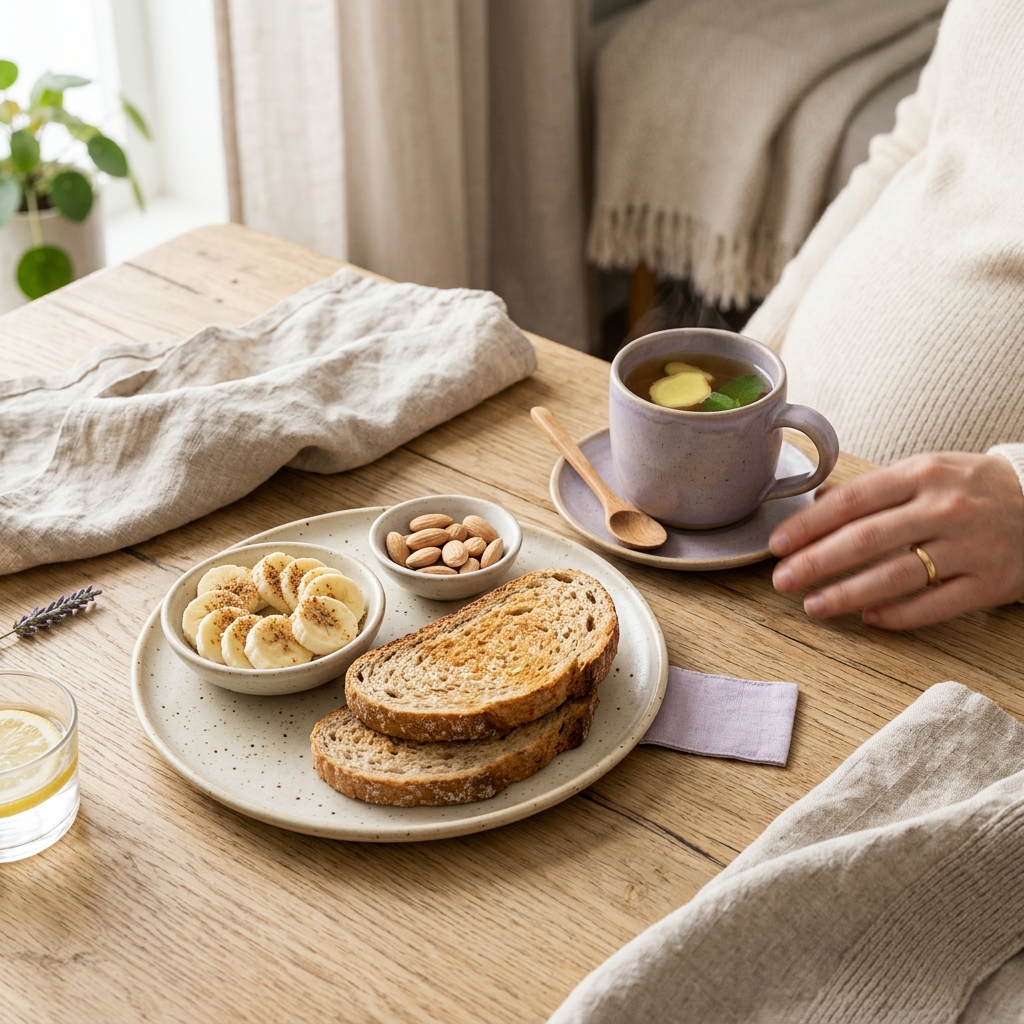
Second Trimester Lunch Ideas: 10 Iron-Rich Lunches for When Your Appetite Returns
The trimester where lunch can finally do real work. Ten iron-rich lunches, the vitamin C pairing that doubles absorption, and how to stop the 3pm crash.
In this article
Editorial note: This article is researched from official public health and pregnancy food safety guidance, then edited by the PregnancyPlate team for clarity. It is not medical advice. If you are worried about symptoms or a specific exposure, contact your midwife, GP or healthcare provider.
The Fast Answer: The second trimester is the one where lunch can finally do real work. Nausea usually lifts, appetite comes back properly, and iron demand climbs hard at the same time. So a good second trimester lunch does three things: iron with vitamin C beside it, enough protein to stop the 3pm crash, and slow carbohydrate rather than fast. Eat the lunch you could not face in the first trimester, because this is the window where it counts most.
Check your iron and protein in the PregnancyPlate AppSafety is step one. Nutrition helps your baby thrive.
Knowing a meal is safe does not tell you whether you are getting enough iron, folate, calcium and choline. PregnancyPlate tracks all of it from a photo of your plate.
- See nutrient progress
- Scan meals instantly
- Nourish with confidence
 Scan to download
Open with iPhone camera
Scan to download
Open with iPhone camera
Most pregnancy lunch advice is written for the first trimester, when the problem is getting anything down at all. By about week fourteen that is usually the wrong problem.
The second trimester brings back an appetite, sometimes a startling one, at exactly the point your nutritional demand starts climbing steeply. That combination makes lunch the most improvable meal of the day, and almost nobody targets it deliberately.
Why the Middle Trimester Changes Lunch
Three things shift at once, and they all point at the same meal.
Appetite returns. Nausea eases for most people somewhere between weeks twelve and sixteen, and food aversions loosen. You can suddenly eat a proper plate of something, which was not true a month earlier.
Iron demand climbs. Blood volume is expanding steadily through this trimester, and your requirement is around 27mg a day, roughly double what it was before pregnancy. Most anaemia in pregnancy is picked up in this window precisely because this is when the gap opens up.
Energy needs edge up. UK guidance is that no extra calories are needed until the final three months, and then only about 200 a day. American guidance puts a modest increase in the second trimester. The honest reading is that the amount is small either way, and the composition of what you eat matters considerably more than the total.
So this is not the trimester for a bigger lunch. It is the trimester for a better one.
I went through a month of reported pregnancy lunches while researching this piece, and the gap was consistent. Breakfast and dinner were usually fine. Lunch was the meal that had quietly become a sandwich eaten standing up, with no iron source in it at all, on the days people also reported feeling worst in the afternoon.
The Three Jobs of a Second Trimester Lunch
Judge any lunch against these and you can stop overthinking it.
Iron, with vitamin C beside it. This is the single highest-value thing you can do at lunchtime in the second trimester. Plant iron absorbs poorly on its own and dramatically better alongside vitamin C at the same meal.
Enough protein to hold the afternoon. Aim for a real portion rather than a garnish. Protein is what stops the two hour crash that gets blamed on pregnancy tiredness when it is actually a blood sugar dip.
Slow carbohydrate rather than fast. Wholegrain bread, oats, brown rice, potatoes with the skin, pulses. Gestational diabetes screening lands around weeks 24 to 28, and steady eating through this trimester is worth more than a panicked change at the test.
Ten Second Trimester Lunches
Each of these hits at least two of the three jobs above.
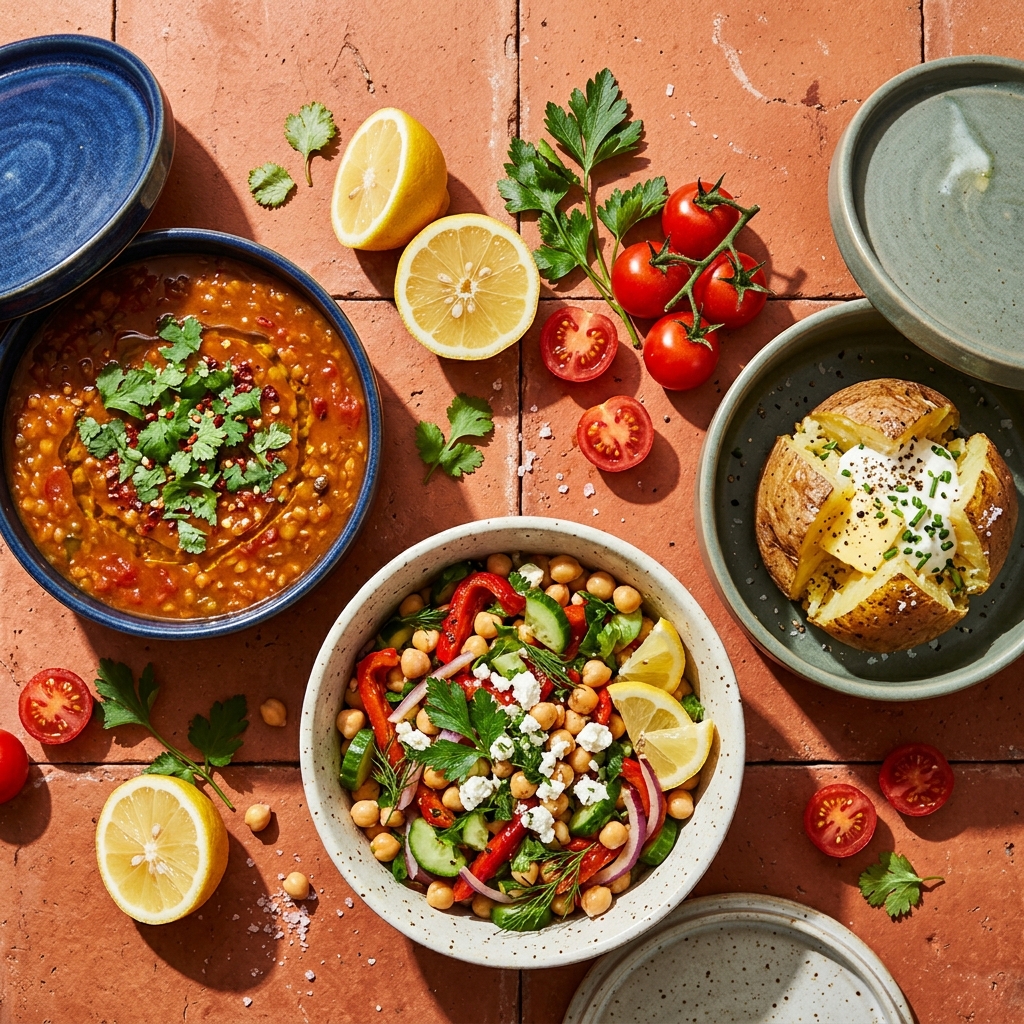
Lentil and tomato soup with wholegrain toast. The best entry on this list. Lentils for iron, tomatoes for the vitamin C that unlocks it, and it freezes in portions.
Jacket potato with tuna and sweetcorn. Protein, slow carbohydrate, and a whole potato is far more filling than it sounds. Keep tinned tuna to a sensible frequency for mercury, which our iron guide touches on alongside the fish rules.
Chickpea and roasted pepper salad with feta and olive oil. Iron from the chickpeas, vitamin C from the peppers, and it improves overnight in the fridge.
Scrambled or boiled eggs on granary toast with spinach. Choline, protein and iron in under ten minutes.
Leftover chilli or bolognese on a baked potato. Beef and beans are both strong iron sources, and the tomato base does the vitamin C job for you.
Hummus, falafel and salad wrap with a squeeze of lemon. Entirely plant-based and genuinely iron-dense.
Salmon and watercress sandwich. Omega-3 for fetal brain development, and watercress is unexpectedly high in both iron and vitamin C.
Mackerel pate on oatcakes with cherry tomatoes. Oily fish, quick, and no cooking at all.
Sweet potato and black bean bowl with lime and yoghurt. High fibre, which matters more than people expect once pregnancy slows digestion down.
Minestrone with a tin of butter beans stirred through. The laziest useful habit in pregnancy cooking is adding a tin of pulses to something you already made.
Notice the pattern rather than memorising the list. Pulse or fish or egg, something acidic or brightly coloured beside it, and a wholegrain underneath.
The Pairing That Doubles Your Iron
Worth its own section because it is the highest return on the least effort.
Non-heme iron, the kind in lentils, beans, tofu, spinach and fortified cereal, absorbs poorly by itself. Vitamin C at the same meal increases that absorption several times over. Not later in the day. The same plate.
What counts: peppers, tomatoes, broccoli, citrus, strawberries, kiwi, watercress, or simply a squeeze of lemon over the top.
What blocks it: tea and coffee, because of the tannins. If you have a cup with lunch, you are undoing part of the meal. Leave an hour either side and drink it mid-afternoon instead.
Calcium competes with iron too, which is why a big glass of milk alongside an iron-focused lunch is slightly self-defeating. It is not worth losing sleep over, but if you are trying to fix low iron, keep the dairy for a different meal.
Second Trimester Lunch in One Box
- Pulse, fish or egg as the base of every lunch.
- Something acidic beside it to unlock the iron.
- Tea and coffee an hour clear of the meal.
- Slow carbohydrate, with the screen at 24 to 28 weeks in mind.
- Eat it sitting down. This is the trimester you actually can.
What "Enough Protein" Actually Looks Like
Protein is the vaguest instruction in pregnancy nutrition, so here are numbers.
UK reference intake in pregnancy is around 51g a day, which is the ordinary adult figure plus about 6g. American guidance is higher at roughly 71g a day. Either way, the useful way to think about it is per meal rather than per day, because protein is used far better spread across the day than loaded into the evening.
Aim for roughly 20g at lunch and it takes care of itself. In real food that is two eggs plus a slice of cheese, or half a tin of tuna, or a tin of chickpeas, or 150g of Greek yoghurt with nuts, or a tin of lentils in soup. None of those is a large portion, which is the point. Most people miss the target by having no protein source at lunch at all rather than by having a small one.
The test is simple. Look at your lunch and name the protein. If you cannot, that is the thing to fix, and it is usually a ten second addition rather than a different meal.
The Afternoon Slump Is Usually a Lunch Problem
Second trimester fatigue gets treated as inevitable. A good deal of it is a blood sugar pattern.
A lunch that is mostly fast carbohydrate, a white roll, a pastry, a sandwich with very little in it, produces a rise and then a drop about two hours later. In pregnancy that drop tends to feel worse, because hormonal changes make you less tolerant of the swing. Our guide to pregnancy blood sugar crashes explains the mechanism properly.
The fix is not smaller lunches. It is adding protein and fat to whatever you were already going to eat. Cheese in the sandwich, yoghurt afterwards, a handful of nuts, hummus with it. The same food plus something substantial holds the line for hours longer.
If three in the afternoon is reliably your worst hour, look at what you ate at one before you blame the pregnancy.
Lunches That Survive Being Carried
Second trimester is when most people are out and about again properly, which puts practical limits on lunch.
Things that travel well without refrigeration for a few hours: hummus and oatcakes, nut butter sandwiches, boiled eggs, hard cheese, tinned fish, falafel, dried apricots and nuts, and any grain salad dressed in oil rather than dairy.
Things that do not: anything mayonnaise-based, soft cheeses, pre-dressed leafy salad, and cooked rice left warm. Chilled ready-to-eat food is the listeria seam in pregnancy, and a warm bag is the wrong place for it.
A cool bag with one ice block changes what is possible enormously, and it is the single most useful three pounds you can spend in this trimester. For lunches specifically built around a desk and an office, our twenty pregnancy lunch ideas for work covers the microwave politics and the no-microwave options in far more detail.
What to Keep In So Lunch Is Never a Decision
The failure mode is not knowledge, it is an empty cupboard at half past twelve.
Cupboard: tinned lentils, chickpeas, butter beans, chopped tomatoes, tinned salmon and mackerel, oatcakes, wholegrain wraps, nut butter.
Fridge: eggs, hard cheese, hummus, yoghurt, lemons, peppers, tomatoes.
Freezer: wholegrain bread in slices, portioned soup, frozen spinach, frozen berries.
With that list in the house, every lunch above is fifteen minutes away without a shopping trip. Our seven day high-iron second trimester plan builds the whole week around the same ingredients, and the second trimester dinner ideas reuse them in the evening so nothing gets wasted.
That is the real argument for taking this trimester's lunch seriously. It is the one meal where a small change is easy to keep, and it lands in the window where iron and protein are doing the most work they will do all pregnancy.
Clinical Sources & Research
This article is general information and does not replace advice from your midwife, GP or dietitian. If your iron levels have been flagged, ask about a ferritin test rather than relying on diet alone.
Meet the Editorial Team
The researchers and experts behind PregnancyPlate.

Fiza Izra
Founder & Tech Researcher
A UK-based mother of 3 with a background in tech and data synthesis, Fiza brings real-world experience navigating hyperemesis gravidarum and postnatal depression. She engineers complex clinical guidelines (NHS, ACOG) into accessible tools, ensuring rigorous fact-checking with deep empathy.

Emma Davies
Senior Nutrition Editor
A mum and writer, Emma runs our food safety desk. She is the one who rings the restaurant to ask how long the lettuce sits out, checks every claim against CDC, FDA and NHS guidance, and rewrites the answer until it is usable at 9pm in a drive-thru queue.