Can You Take Too Much DHA? Understanding Omega-3 Limits in the Third Trimester
DHA is essential for fetal brain development, but can you overdo it? We explore the science of Omega-3 limits, bleeding risks, and how to find the perfect safety balance.
In this article
Editorial note: This article is researched from official public health and pregnancy food safety guidance, then edited by the PregnancyPlate team for clarity. It is not medical advice. If you are worried about symptoms or a specific exposure, contact your midwife, GP or healthcare provider.
The Great DHA Debate: Is More Always Better?
If there’s one supplement that dominates the modern pregnancy conversation, it is DHA (Docosahexaenoic Acid). Walk down any vitamin aisle, and every premium prenatal bottle boasts "High DHA," "Brain-Boosting Omega-3," or "Max Strength EPA/DHA." Given how critical this fatty acid is for fetal brain architecture and retinal development, it’s easy to assume that more is always better.
However, as you enter the third trimester, the conversation shifts. Omega-3 fatty acids are natural blood thinners. While this is wonderful for preventing blood clots during your second trimester, what happens during labor? Is there a point where "brain-boosting" becomes a "bleeding risk"? Let's dive deep into the clinical science, international guidelines, and biological realities of DHA to find the perfect balance.
Quick Answer: Can You Overdose on DHA?
Yes, but it is extremely difficult to do so by accident. The European Food Safety Authority (EFSA) and the FDA consider up to 3,000 mg of combined EPA and DHA per day to be completely safe for adults. Most high-quality prenatal supplements contain only 200-500 mg. To experience dangerous blood-thinning effects, a pregnant woman would have to consume massive, unregulated doses of liquid fish oil and an excessively high-seafood diet every single day. For the vast majority of women, taking a standard daily supplement and eating two servings of salmon a week is perfectly safe right up until delivery.
The Biological Necessity of DHA
Before discussing the limits, we must understand the baseline necessity. DHA is a long-chain omega-3 fatty acid. It is not just an energy source; it is structural material.
- Brain Architecture: Your baby’s brain is 60% fat, and DHA makes up about 20% of the cerebral cortex. During the third trimester, the fetal brain undergoes a massive "growth spurt," tripling in weight. The baby draws heavily on your maternal DHA stores to achieve this.
- Eye Function: DHA is heavily concentrated in the retina, crucial for baby’s visual acuity.
- Maternal Mood: Depleted maternal DHA stores have been heavily linked to a higher risk of Postpartum Depression (PPD). The body naturally prioritizes the baby, meaning if you aren't consuming enough, your brain literally sacrifices its own DHA to the placenta.
🧠 The "Pregnancy Brain" Connection
Many researchers believe that the forgetfulness and brain fog commonly called "pregnancy brain" is partially a result of the maternal brain shrinking slightly in the third trimester as it donates its highest-density fats (like DHA) to the rapidly growing fetus.
The "Blood Thinning" Fear: What Actually Happens?
The primary concern regarding "too much" Omega-3 is its effect on blood coagulation (clotting). Omega-3s naturally reduce blood platelet aggregation. In simpler terms, they make your blood slightly "slippery."
This is fantastic for cardiovascular health and preventing deep vein thrombosis (DVT) during pregnancy, but as labor approaches, the body needs its clotting mechanisms to be highly effective to prevent postpartum hemorrhage (excessive bleeding after delivery).
When Do Doctors Intervene?
If you are on prescribed blood thinners (like Heparin or Lovenox) for a clotting disorder, your OB-GYN will likely monitor your Omega-3 intake very closely. However, for a healthy woman with no bleeding disorders, Clinical studies have shown that doses as high as 1,000 mg to 1,500 mg a day do not significantly increase the risk of severe bleeding during a vaginal delivery or a standard C-section.
The EPA vs. DHA Ratio: Why It Matters
When you look at the back of a fish oil bottle, you will see two numbers: EPA (Eicosapentaenoic Acid) and DHA. Understanding the distinction between these two long-chain fatty acids is crucial for maximizing the benefits of your supplement while minimizing any unnecessary risks.
- DHA is the primary building block for the brain and eyes. It is essentially structural material, directly absorbed by the fetus to build neurons and retinal tissue.
- EPA is an anti-inflammatory powerhouse. It does not hang out in the brain structures like DHA does. Instead, it remains in the bloodstream, helping transport DHA across the placenta and acting as a powerful agent to reduce systemic inflammation. This is incredibly beneficial in the third trimester when many women suffer from joint pain, swelling, and general inflammatory stress.
A good prenatal supplement should have at least 200mg to 300mg of DHA, and ideally, a proportionate amount of EPA as well (often in a 2:1 or an equivalent ratio). If a pill boasts 1000mg of "Omega-3s" but only 50mg of DHA, you are essentially buying expensive filler. The total omega-3 count is less important than the specific DHA concentration.
Recognizing a True "Overdose"
While we established that hitting dangerous levels by accident is nearly impossible, it is still important to know what an actual Omega-3 overdose looks like. If you were taking extreme, un-prescribed doses (for example, chugging liquid fish oil straight from the bottle), the symptoms would include:
- Excessive Bleeding: Noticeably prolonged bleeding from minor cuts, excessive bleeding gums when brushing teeth, or frequent unexplained bruising.
- Gastrointestinal Distress: Severe diarrhea, nausea, and persistent heartburn that cannot be attributed to normal pregnancy hormones. The high fat content of severe oil overdoses overwhelms the gallbladder.
- Weak Immune Response: Because EPA is so effective at lowering inflammation, chronic massive overdoses can actually suppress normal immune function, making you more susceptible to everyday colds and infections.
If you experience these symptoms and realize your supplement intake is in the multi-gram range, speak to your healthcare provider immediately.
The Vegan Dilemma: ALA vs. DHA
If you are vegetarian or vegan, you might be relying on plant-based Omega-3s. Foods like chia seeds, flaxseeds, and walnuts are incredibly healthy, but they contain a different type of Omega-3 called ALA (Alpha-linolenic acid).
The Conversion Problem: The human body can convert ALA into DHA, but it is notoriously inefficient at doing so. Studies show that only about 1% to 5% of ALA is successfully converted into the DHA your baby needs. Therefore, you cannot simply eat a bowl of chia pudding and assume your DHA needs for the day are met.
The Solution: Vegans and vegetarians should highly consider an Algae-based DHA supplement. Fish do not actually produce DHA themselves; they get it from eating micro-algae in the ocean. Taking an algae supplement cuts out the "middle-fish" entirely, providing direct, pure DHA with absolutely zero risk of ocean-based heavy metals.
Toxicity and Contamination: The "Hidden" Overdose
When we talk about "taking too much," the primary danger usually isn't the DHA itself - it's what comes with it. If you are getting your DHA strictly from unregulated dietary supplements or excessive amounts of high-mercury fish, you run the risk of heavy metal accumulation or fat-soluble vitamin toxicity.
Vitamin A Toxicity (The Cod Liver Oil Warning)
You must be extremely careful to differentiate between "Fish Oil" and "Cod Liver Oil." Cod liver oil is exceptionally high in Vitamin A (Retinol). Unlike water-soluble vitamins (like Vitamin C), Vitamin A is stored in your liver. High doses of Vitamin A during pregnancy are highly teratogenic (causing birth defects). Do not use Cod Liver Oil to hit your DHA targets unless explicitly monitored and approved by a physician.
Mercury Accumulation
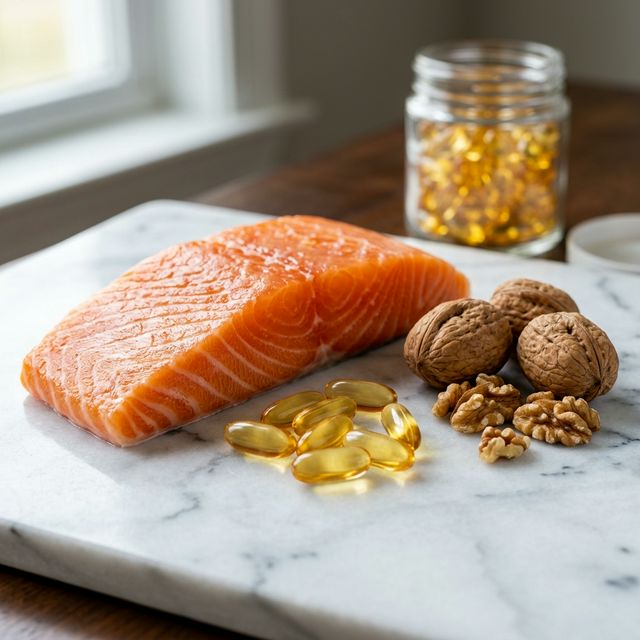
If you are trying to "max out" your DHA by eating tuna every day, you will rapidly exceed the safe limits for Methylmercury. Mercury is neurotoxic and directly opposes the brain-building benefits of DHA. Stick to "SMASH" fish: Salmon, Mackerel, Anchovies, Sardines, and Herring. These are high-DHA, low-mercury superstars.
How and When to Stop (Or Not Stop) in the Third Trimester
A common myth floating around pregnancy forums is that you must stop taking fish oil at exactly 36 weeks to "prevent bleeding out during labor." This is not evidence-based protocol for normal pregnancies.
The World Health Organization (WHO) and the American College of Obstetricians and Gynecologists (ACOG) do not recommend universally discontinuing low-dose (200mg-500mg) DHA supplementation prior to delivery. In fact, cutting it out entirely removes a vital nutrient during the peak weeks of fetal brain growth and maternal depletion.
The "Stop" Scenarios: When to Pause
There are specific medical scenarios where an OB-GYN or Midwife might ask you to pause your Omega-3s at 36 or 37 weeks:
- Scheduled C-Section: If you are planning major abdominal surgery, some cautious surgeons prefer you to stop all mild blood thinners (including garlic supplements, high-dose Vitamin E, and Fish Oil) two weeks prior.
- Known Coagulation Issues: If you have a history of thrombocytopenia (low platelets) or a bleeding disorder like Von Willebrand disease.
- You're Taking "Heroic" Doses: If an alternative practitioner has put you on 3,000mg+ a day for inflammation, an OB will likely taper that down severely before labor.
📝 Your Doctor Appointment Script
To Your OB/Midwife at 34 Weeks: "I’m currently taking a prenatal with 300mg of DHA, and I eat salmon once a week. Given my specific birth plan and blood pressure, do you want me to continue this exact dosage up until delivery, or should I taper off as we closer to my due date?"
Postpartum: The Golden Need for Replenishment
Once the baby is born, the need for DHA does not vanish - it actually intensifies if you are breastfeeding. A mother's breast milk is designed to be rich in DHA for the infant's continuing rapid brain development. If your own stores are depleted, your milk will prioritize the infant, and your own cognitive state and emotional stability can suffer.
Postpartum depression (PPD) research heavily suggests that restoring Omega-3 levels is a critical tool for mood stabilization in the "fourth trimester." Do not throw your high-quality DHA pills away once the baby arrives; they are arguably just as important for maternal healing as they were for fetal construction.
Knowledge Check: Scenario Quiz
🧠 Scenario Quiz
Q: You bought a "Super Strength" fish oil on sale that says it contains 2,000mg of Omega-3 per softgel. You are 37 weeks pregnant and planning an unmedicated vaginal birth. Should you switch to this to give your baby a final brain boost?
A: NO. Late in the third trimester is not the time to initiate a massive, un-prescribed spike in blood-thinning agents. Stick to your baseline 200mg-500mg prenatal dose, and trust that your baby’s brain is doing exactly what it needs to do. High-dose changes near delivery must always be cleared by your attending physician.
Final Guidelines for Confident Consumption
DHA is a miracle molecule for pregnancy, taking it is one of the best things you can do for your baby's IQ and your own mental health. Remember these golden rules:
- Aim for 200mg to 500mg daily.
- Avoid Cod Liver Oil due to Vitamin A risks.
- Eat low-mercury fish (Salmon, Sardines) 1-2 times a week.
- Vegans must take Algae-based DHA; chia seeds are not enough.
- Don't stop taking it in the third trimester without specific medical orders.
Related Reading
See also: The Standard Omega-3 Guide, Is Deli Meat Safe During Pregnancy?, and Vegan Pregnancy Nutrition Guide.
Download PregnancyPlate to track your exact daily DHA and ALA intake, monitor your mercury levels, and get personalized trimester-by-trimester supplement recommendations.
Meet the Editorial Team
The researchers and experts behind PregnancyPlate.

Fiza Izra
Founder & Tech Researcher
A UK-based mother of 3 with a background in tech and data synthesis, Fiza brings real-world experience navigating hyperemesis gravidarum and postnatal depression. She engineers complex clinical guidelines (NHS, ACOG) into accessible tools, ensuring rigorous fact-checking with deep empathy.

Emma Davies
Senior Nutrition Editor
A mum and writer, Emma runs our food safety desk. She is the one who rings the restaurant to ask how long the lettuce sits out, checks every claim against CDC, FDA and NHS guidance, and rewrites the answer until it is usable at 9pm in a drive-thru queue.