Quick, High-Scoring Pregnancy Meals & Snacks: A Data-First Guide
Nutrient density is the gold standard for prenatal health. We audit the 'FoodScore' data to find the highest-ranking breakfasts, lunches, and snacks for fetal development.
In this article
Editorial note: This article is researched from official public health and pregnancy food safety guidance, then edited by the PregnancyPlate team for clarity. It is not medical advice. If you are worried about symptoms or a specific exposure, contact your midwife, GP or healthcare provider.
Editorial Note: At PregnancyPlate, we’re focusing more on realistic, nutrient-dense meals that busy mums can actually sustain. This article includes nutritional data provided by FoodScore and has been reviewed by the PregnancyPlate editorial team to ensure it meets our clinical standards for prenatal health.
Track Your Nutrient Density in the AppSafety is step one. Nutrition helps your baby thrive.
Knowing a meal is safe does not tell you whether you are getting enough iron, folate, calcium and choline. PregnancyPlate tracks all of it from a photo of your plate.
- See nutrient progress
- Scan meals instantly
- Nourish with confidence
 Scan to download
Open with iPhone camera
Scan to download
Open with iPhone camera
Pregnancy nutrition advice tends to arrive in vague forms, like "eat the rainbow" or "remember your folate." While well-intentioned, these phrases are not very helpful when you are trying to throw together breakfast at 6:42 am while battling first-trimester fatigue. I have spent a significant amount of time looking for a better way to answer the "what should I eat" question, and I believe the answer lies in data. Specifically, we need to look at nutrient density. Which everyday foods actually score well on a clinical scale, and which "healthy" picks rank lower than you would expect?
In collaboration with Lena Voigt from FoodScore, I have audited their database of over 100,000 foods to find the highest-ranking options for prenatal health. We use a deterministic 0 to 100 scale based on USDA FoodData Central and NIH Dietary Reference Intakes (DRIs). A score of 75 or higher means the food is genuinely nutrient-dense per 100 grams. This means it is high in fiber, protein, or key micronutrients without dragging in a lot of added sugar, sodium, or saturated fat. Every score mentioned below is a real value as of May 2026.
The Math of Brain Building
Calorie counts get most of the attention in standard diet culture, but during pregnancy, the more useful question is density. You are not just fueling your own body; you are providing the literal building blocks for a developing nervous system. The Pregnancy DRIs from the NIH push some nutrient requirements well above pre-pregnancy baselines. Folate jumps from 400 to 600 mcg DFE, iron from 18 to 27 mg, and choline from 425 to 450 mg.
That gap is what makes high-density foods do disproportionate work. When you choose a food with a score of 85, you are essentially "buying" more development time for your baby with every bite. I often tell the mums I work with that we are looking for "anchor foods," which are the ingredients that do the heavy lifting, so you do not have to worry about every single snack.
Breakfasts That Earn Their Score
Rolled oats (dry) scored 85 out of 100. Half a cup gives you about 4 grams of fibre, 5 grams of protein, and a meaningful chunk of iron and B vitamins. I recommend cooking them with milk for added calcium and protein. If you top them with berries, the vitamin C actually boosts your absorption of the non-heme iron from the oats. This is a perfect example of a "pairing pattern" that raises your overall daily score. This is also a fantastic option if you are dealing with nausea-safe dinner struggles, as oats are nearly odorless and easy on the stomach.
Whole eggs also scored 85 out of 100. One large egg provides about 147 mg of choline, which is about a third of your 450 mg daily target. Choline is one of the most under-consumed nutrients in prenatal diets, according to CDC analyses. It is critical for fetal brain development and the prevention of neural tube defects. A two-egg breakfast does real work here. If you are grabbing breakfast on the go, check our McDonald's safety audit to see how their egg options stack up.
Plain nonfat Greek yogurt scored 70 out of 100. This is lower than eggs, but the protein-per-calorie ratio is hard to beat. You get about 17 grams of protein per 170 gram cup. I suggest stirring in a tablespoon of ground flaxseed for a small omega-3 boost. Be sure to skip the sweetened tubs, because added sugar drops the score into the mid-50s very quickly.
The 5-Minute Combo: Oats + Greek yogurt + a handful of berries clears 75+ on average and covers protein, fiber, calcium, and vitamin C in one bowl.
Lunches and Dinners That Lift the Average
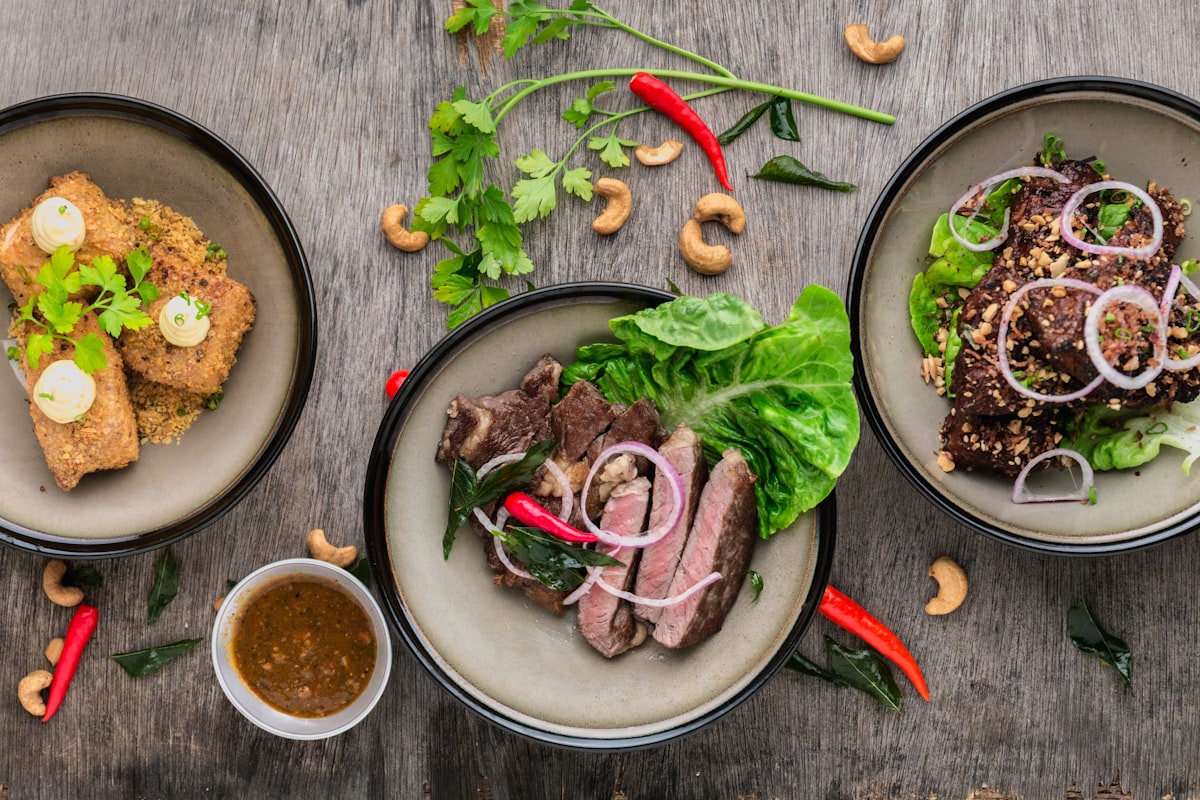
Cooked lentils scored 83 out of 100. This is probably the single best-value food in the database for pregnancy. One cup of cooked lentils gives you roughly 358 mcg DFE of folate, which is about 60% of your daily target. It also provides 6.6 mg of iron and 18 grams of protein. Whether you prefer a lentil soup base or lentils tossed cold with feta and lemon, you are getting a massive nutritional win. If you are adding cheese, make sure to read our feta safety guide to ensure it is pasteurized.
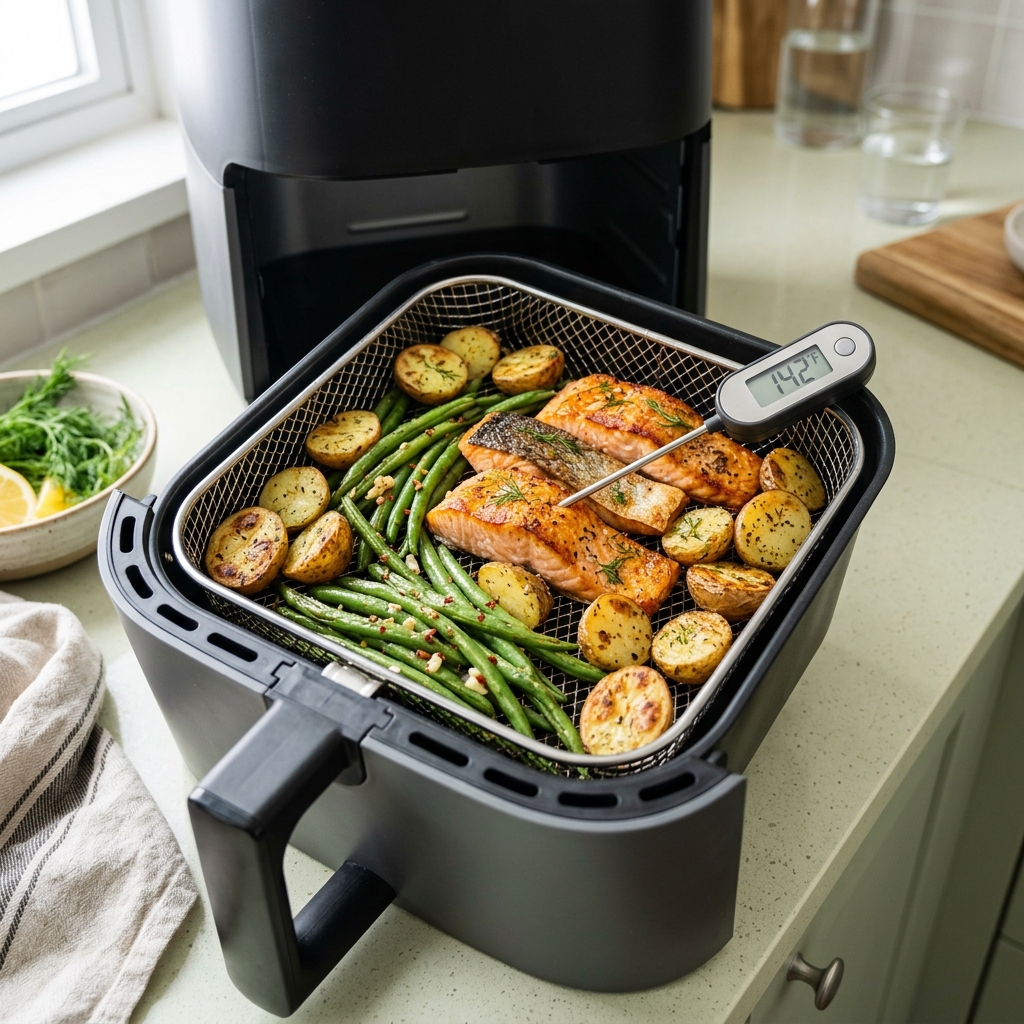
Cooked Atlantic salmon scored 85 out of 100. Three ounces provides roughly 1.2 grams of long-chain omega-3s. This is well past the 200 mg of DHA per day that ACOG recommends for fetal brain and eye development. Wild and farmed salmon both score an 85. If fresh fillets are not practical, canned wild salmon is a great shelf-stable alternative. I recommend keeping intake to twice a week to stay under the FDA-recommended ceiling for low-mercury fish. For a deeper dive into these fats, you can read our DHA Master Guide.
Quinoa scored 85 dry and 70 cooked. It is a complete protein, which is rare among plant grains, and it is a quiet source of magnesium. I like to use it as a base. A bowl of quinoa topped with lentils and cooked spinach with a splash of olive oil is a high-density dinner that averages around 78.
Cooked spinach scored 74 out of 100. You get roughly 263 mcg DFE of folate per cup cooked, which is 44% of your pregnancy target. It also provides 6.4 mg of iron. I always recommend cooking your spinach rather than eating it raw if you want the most nutrients. One cup of cooked spinach is roughly equivalent to a 10-ounce bag of raw leaves, so you are actually eating much more of the good stuff. This is also a core recommendation in our constipation relief guide.
The Trimester Shift: Adjusting Your Targets
As you move through your pregnancy, your nutritional "must-haves" change. I have audited the data to see how these scores should influence your choices as your baby grows.
In the First Trimester, the focus is almost entirely on folate and managing aversions. Folate is responsible for the closing of the neural tube in the very early weeks. Foods like lentils (83) and spinach (74) are your best friends here. If you are struggling with "morning sickness" that actually lasts all day, focus on the high-scoring dry foods like oats (85) and raw almonds (84).
By the Second Trimester, your blood volume increases by nearly 50%. This creates a massive demand for iron to support the extra haemoglobin needed to carry oxygen to your baby and the placenta. This is when the 83-scored lentils and 85-scored salmon become non-negotiable. You also need to start increasing your calcium intake as your baby's bones begin to ossify.
In the Third Trimester, brain development is at its peak. The fetal brain is 60% fat, and it is "thirsty" for DHA. This is the time to prioritize that 85-scored salmon and 85-scored avocado. You also need more energy, but you have less room in your stomach as the baby grows. This is where nutrient density is most critical. You want the highest score possible in the smallest volume of food.
Snacks That Actually Pull Their Weight
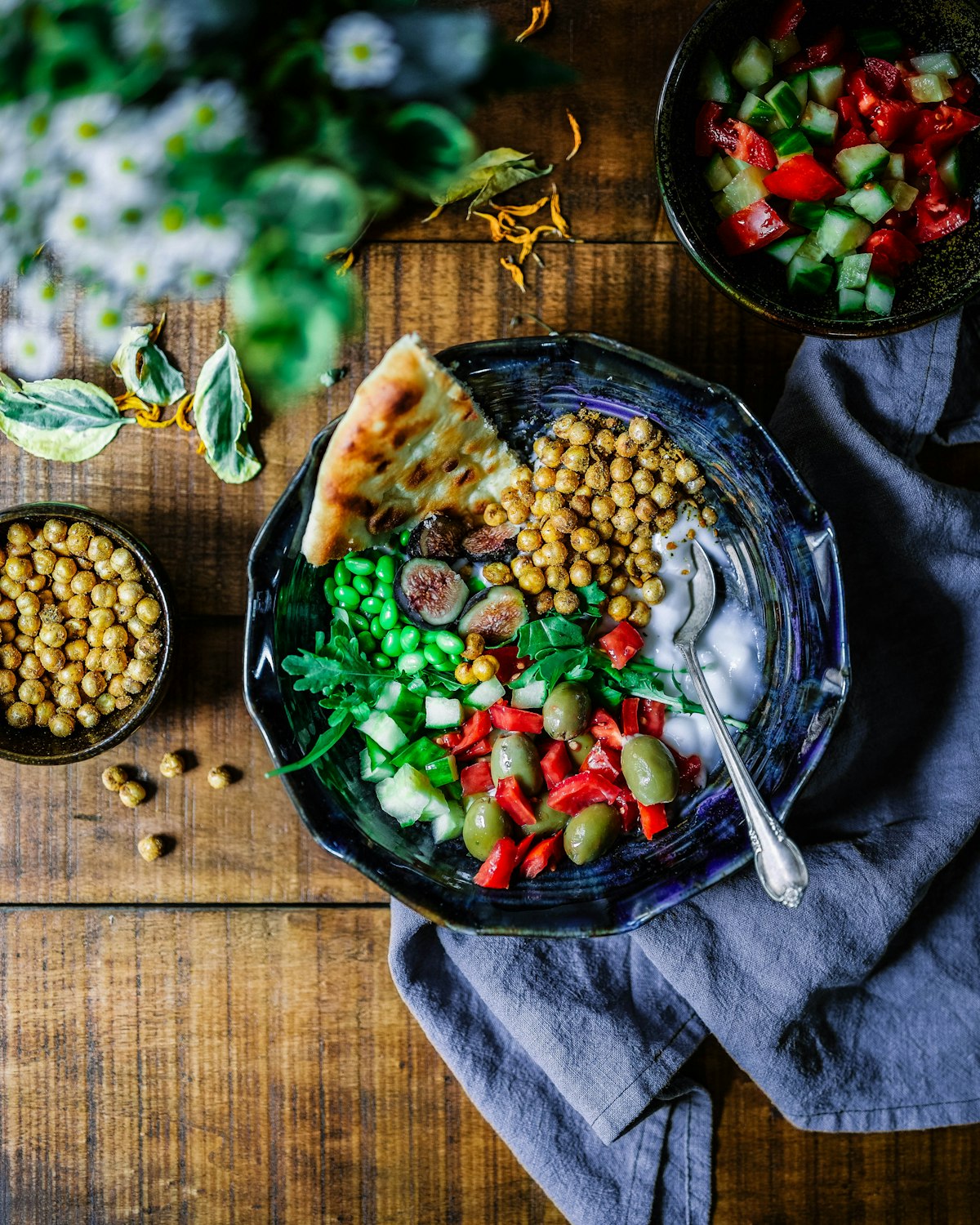
Raw almonds scored 84 out of 100. A 1-ounce handful provides about 76 mg of magnesium, which is roughly 22% of the pregnancy DRI. It also gives you vitamin E and a small folate contribution. I should note that dry-roasted almonds drop to a 63 score because of the added oil and salt. I always suggest buying them raw and roasting them yourself if you prefer the crunch.
Avocado scored 85 out of 100. You get about 122 mcg DFE of folate per medium fruit, plus monounsaturated fats that help your body absorb fat-soluble vitamins from anything else you are eating. This is why I love pairing avocado with eggs or salmon. It is a biological "booster" for the other nutrients.
Low-fat cottage cheese scored 71 out of 100. It offers around 28 grams of protein per cup. A classic pairing of cottage cheese and berries covers your protein, calcium, and vitamin C in under two minutes. Interestingly, full-fat cottage cheese scores about the same. The choice there is really about your overall daily fat intake rather than nutrient density.
Cooked chickpeas scored 83 out of 100. One cup gives you about 282 mcg DFE of folate and 14 grams of plant protein. If you do not have time to cook, hummus on whole-grain crackers provides similar numbers.
The "Healthy" Halo: Foods That Rank Lower Than Expected
It is just as important to know where the data slips. Some foods have a "healthy halo," meaning we assume they are perfect, but the numbers tell a more nuanced story.
Baked sweet potatoes scored 69 out of 100. They are excellent for vitamin A, which is vital for fetal vision and immune function. However, the high natural sugar load drags the overall density score below our 75 threshold. I am not saying you should avoid them. I am saying you should pair them with something like cottage cheese (71) or seeds to bring the average back up.
Cooked broccoli also scored 69 out of 100. It is genuinely useful for folate, vitamin K, and vitamin C. But it is lighter on protein and iron than many people expect. It is a "supporting" food rather than an "anchor" food.
Most granola bars score between 50 and 65. Even the "natural" ones are usually 30 to 40% added sugar by weight. When I looked at the labels for several leading brands, the sugar content was high enough to negate the benefits of the oats and nuts inside.
Sweetened Greek yogurt drops into the mid-50s. The added sugar is the primary culprit here. My advice is always to buy the plain 70-rated yogurt and add your own fresh fruit. It is cheaper and much better for your glucose levels.
A Note on Hydration and Density
I cannot talk about nutrition without mentioning hydration. Pregnancy hydration targets sit around 2.3 liters of fluids per day according to the NIH. While we do not score plain water, we do flag soft drinks and most flavored waters at a score below 40.
The issue is "liquid calories" that offer zero micronutrients. Plain water, herbal tea, or sparkling water with a squeeze of citrus is the gold standard. If you are curious about fermented drinks like kombucha, I have written a separate kombucha safety guide that audits the alcohol and pasteurization risks you need to know about.
How to Use This Data
I do not want you to feel like you have to be a mathematician to eat well. The goal is not to chase a score of 85 at every single meal. That is not realistic, especially when you are tired or busy.
Instead, I want you to pick three "anchor foods" that you actually enjoy. Maybe it is lentils, eggs, and almonds. Build your week around those three. If you can keep the average of what you eat above a 70, you are doing an incredible job. The math works out either way, and your baby will get exactly what they need to thrive.
Track Your Progress
Building a human is hard work. If you want to take the guesswork out of your daily nutrition, the PregnancyPlate App uses this exact data to help you track your nutrient density in real-time. Scan your meals, check your safety audits, and ensure you are hitting those critical folate and choline targets every day. Download on the App Store.
This article includes nutritional data provided by FoodScore and has been edited for PregnancyPlate.
Meet the Editorial Team
The researchers and experts behind PregnancyPlate.

Fiza Izra
Founder & Tech Researcher
A UK-based mother of 3 with a background in tech and data synthesis, Fiza brings real-world experience navigating hyperemesis gravidarum and postnatal depression. She engineers complex clinical guidelines (NHS, ACOG) into accessible tools, ensuring rigorous fact-checking with deep empathy.

Emma Davies
Senior Nutrition Editor
A mum and writer, Emma runs our food safety desk. She is the one who rings the restaurant to ask how long the lettuce sits out, checks every claim against CDC, FDA and NHS guidance, and rewrites the answer until it is usable at 9pm in a drive-thru queue.