Is a Pumpkin Spice Latte Safe During Pregnancy? Caffeine, Sugar and the Nutmeg Myth
A tall is about 75mg of caffeine and a grande 150mg, both under the limit. The sugar is the real story at roughly 50g, and the nutmeg rumour is nothing.
In this article
Editorial note: This article is researched from official public health and pregnancy food safety guidance, then edited by the PregnancyPlate team for clarity. It is not medical advice. If you are worried about symptoms or a specific exposure, contact your midwife, GP or healthcare provider.
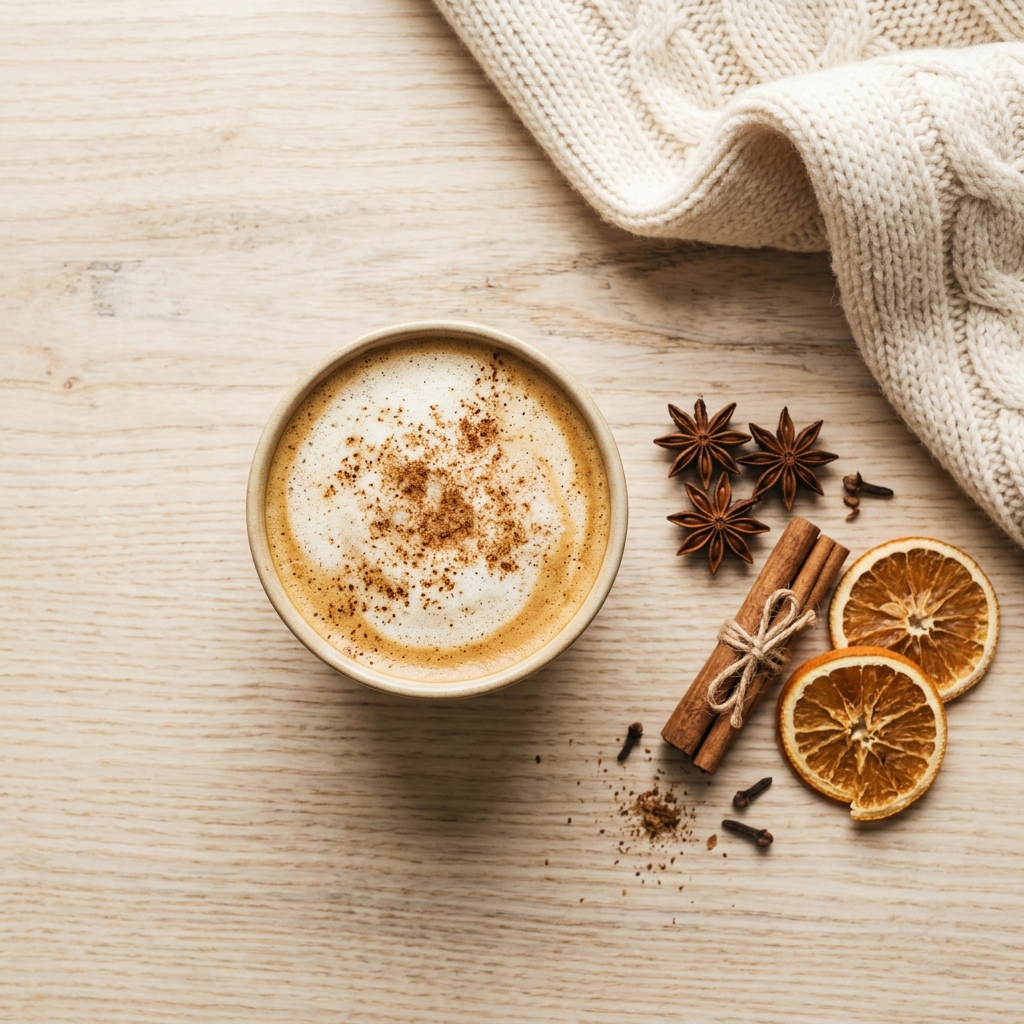
The Fast Answer: Yes, a pumpkin spice latte is safe in pregnancy. A tall has about 75mg of caffeine and a grande about 150mg, so either fits under the 200mg daily limit as long as it is your main caffeine for the day. The thing nobody mentions is the sugar: a grande carries roughly 50g, which is more than most desserts. The nutmeg rumour is nothing to worry about at the amounts used in a drink.
Track your nutrition in seconds in the PregnancyPlate AppSafety is step one. Nutrition helps your baby thrive.
Knowing a meal is safe does not tell you whether you are getting enough iron, folate, calcium and choline. PregnancyPlate tracks all of it from a photo of your plate.
- See nutrient progress
- Scan meals instantly
- Nourish with confidence
 Scan to download
Open with iPhone camera
Scan to download
Open with iPhone camera
The first pumpkin spice latte of the year lands at about the point most people are told to think about caffeine, which makes it one of the most searched pregnancy drink questions of the autumn.
The answer is straightforward, and the interesting part is not the caffeine.
The Caffeine, by Size
Both the American College of Obstetricians and Gynecologists and the NHS advise keeping caffeine under 200mg a day in pregnancy. That is a total across everything, including tea, chocolate and cola.
A pumpkin spice latte is built on espresso shots like any other latte, so the caffeine follows the shot count rather than the flavour.
| Size | Caffeine | Sugar | Verdict |
|---|---|---|---|
| Short | around 75mg | around 20g | Comfortably fine. |
| Tall | around 75mg | around 27g | Fine. Leaves room for tea later. |
| Grande | around 150mg | around 50g | Fine on caffeine, heavy on sugar. |
| Venti hot | around 150mg | higher again | Same shots as a grande, more milk and syrup. |
| Venti iced | around 225mg | higher again | Over the daily limit on its own. |
| Decaf version | a few mg | unchanged | The sugar is still there. |
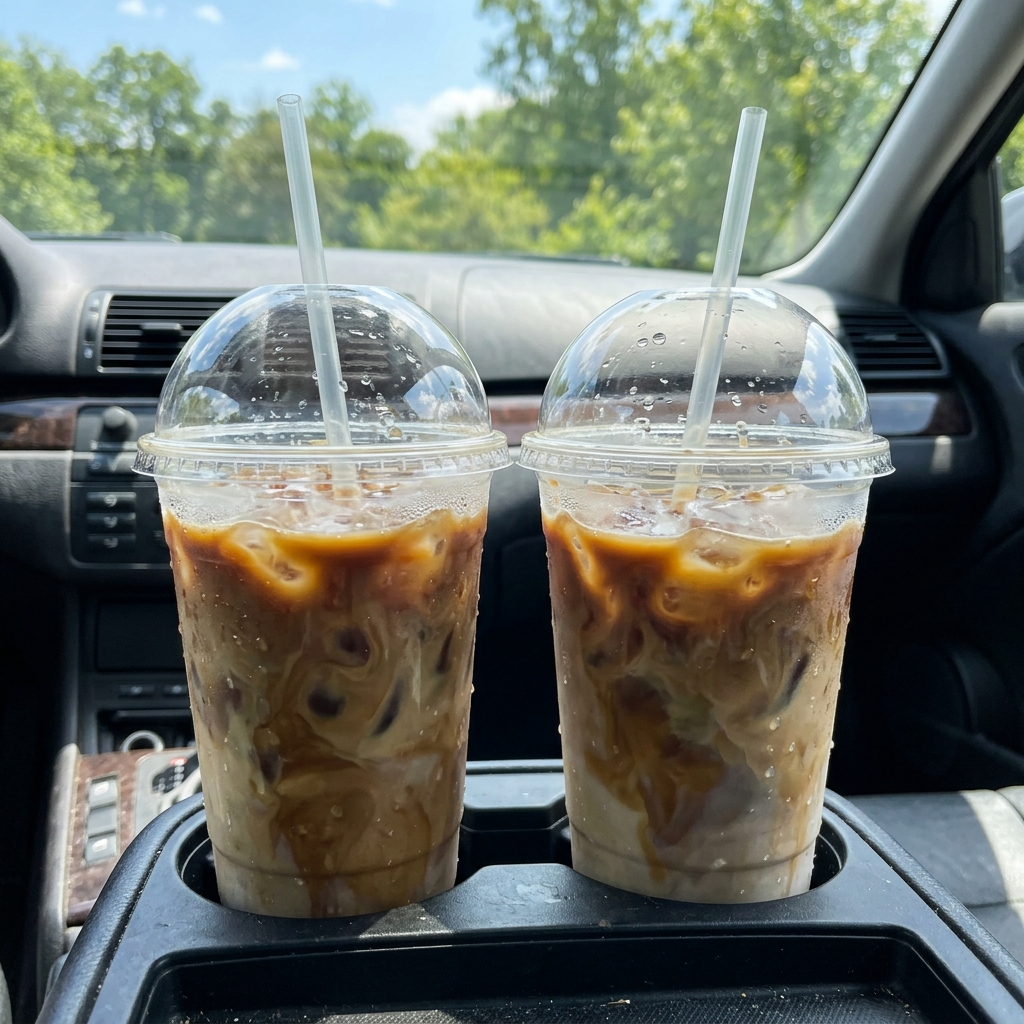
The one to watch is the iced venti, because iced drinks in the largest size usually get an extra shot. Hot and iced are not equivalent at the top end.
Everything else sits comfortably inside the limit if it is your main caffeine for the day. A tall or grande with breakfast, and tea rather than coffee afterwards, works fine. Our full coffee shop guide has the figures for the rest of the menu.
The Sugar Is the Real Story
This is the part that gets no attention and matters more day to day.
A grande pumpkin spice latte contains roughly 50g of sugar, which is more than many desserts and well above a day's recommended free sugar intake on its own. The flavour comes from a sweetened sauce rather than from pumpkin, so the sugar is doing much of the work.
On an empty stomach that produces a quick rise and then a slump an hour or two later, which in pregnancy is easily mistaken for ordinary fatigue or early nausea. Our guide to pregnancy blood sugar crashes explains the mechanism.
It matters more again after your glucose screening at 24 to 28 weeks. If you have been diagnosed with gestational diabetes, a sweetened seasonal drink is usually the first thing a team asks you to change, because it delivers a lot of carbohydrate very fast. Our gestational diabetes meal plan covers what replaces it, and if your test is still ahead, our guide on what to eat before the glucose test is worth reading.
How to Order a Lighter Version
You do not have to give it up to make it reasonable.
Ask for fewer pumps of sauce. A grande comes with four as standard. Two tastes almost the same and halves the sugar.
Size down. A tall rather than a grande cuts both sugar and caffeine meaningfully.
Skip the whipped cream if you want, though it is a small part of the total compared with the sauce.
Have it with food. Drinking it alongside breakfast rather than instead of one slows everything down and removes most of the crash.
Go half-caf or decaf if you have already had coffee that day. The flavour is unaffected.
Ordering a tall with two pumps, alongside something to eat, turns the drink from a dessert into a coffee. That is the whole adjustment.
Pumpkin Spice in One Box
- Tall 75mg, grande 150mg. Both fine under the 200mg limit.
- Iced venti is around 225mg, over the limit on its own.
- A grande carries about 50g of sugar. That is the real issue.
- Fewer pumps is the single best adjustment.
- Nutmeg is a non-issue at culinary amounts.
The Nutmeg Rumour
Worth dealing with directly, because it circulates every autumn.
Pumpkin spice blends contain nutmeg, and somewhere online this became a reason to avoid them in pregnancy. The concern comes from myristicin, a compound in nutmeg that can cause unpleasant effects in very large doses, meaning whole nutmegs eaten deliberately, not a pinch in a spice blend.
The amount of nutmeg in a drink, a pie or a spice mix is a culinary quantity and is not a pregnancy concern. The same applies to cinnamon, ginger, cloves and allspice, which make up the rest of the blend. Ginger in particular is actively helpful for nausea for some people.
The general rule worth carrying: spices used for flavour in food are fine. Concentrated herbal supplements and extracts are a different question. Our herbal safety guide covers where that line sits.
Why You Clear Caffeine More Slowly Now
Worth knowing, because it explains why the same drink affects you differently than it used to.
Caffeine is broken down by the liver, and pregnancy slows that process considerably. By the third trimester it can take several times longer to clear a given amount than it did before pregnancy. The drink has not changed. Your handling of it has.
Two practical consequences. First, an afternoon coffee that never used to affect your sleep may now keep you awake at eleven, at a point when sleep is already difficult. Second, the caffeine from a morning drink is still partly in your system when you have something else later, which is why the daily total matters rather than the per-drink amount.
Caffeine also crosses the placenta, and your baby cannot process it the way you do. That is the reasoning behind the limit rather than any single dramatic risk, and it is why the advice is a ceiling rather than a ban.
If You Have Already Had More Than 200mg
Worth addressing, because the maths usually becomes clear after the drink rather than before.
The 200mg figure describes your regular daily intake, not a threshold where something happens. The research linking caffeine to outcomes like lower birth weight concerns consistently high intake over weeks and months, not one large iced latte on a Saturday.
So one day over is a reason to order differently tomorrow, not a reason to worry. If you have been well over most days for a while, mention it at your next appointment. It is a common conversation and nobody will be surprised.
Cutting down gradually over a week is easier than stopping suddenly, because caffeine withdrawal produces headaches and fatigue that feel a great deal like pregnancy symptoms on their own.
The Rest of the Autumn Menu
The seasonal range follows the same two rules: count the caffeine, watch the sugar.
Pumpkin cream cold brew. Cold brew is the strongest coffee base on most menus, so this is usually higher in caffeine than a latte of the same size. Check before assuming it is lighter because it is cold.
Chai lattes and pumpkin chai. Chai contains black tea, so there is caffeine, though less than coffee. A reasonable middle option.
Apple and caramel drinks. Usually caffeine free unless coffee is added, and usually very sweet. Hot apple drinks made with commercial juice are pasteurised and fine, unlike fresh cider from an orchard.
Hot chocolate. A small amount of caffeine from cocoa and a lot of sugar.
Matcha versions. Matcha is powdered whole tea leaf, so it carries more caffeine than brewed green tea. Count it rather than treating it as the caffeine free choice. Our matcha guide has the detail.
If you are getting your autumn drinks elsewhere, our Dunkin guide and Dutch Bros guide have the equivalent figures.
The Home Version, Which You Control
If you are drinking these most days through autumn, making one at home changes both numbers at once.
Warm milk, a shot of coffee or a decaf shot, a teaspoon of real pumpkin puree, a pinch of the spice blend and a small amount of maple syrup or honey gets you most of the flavour. You decide the shot count and the sweetness, and the sugar typically lands far below a shop version.
Using actual pumpkin rather than a sauce also adds something. Pumpkin brings beta carotene and a little fibre and potassium, none of which a syrup provides. It is a small gain rather than a health drink, but it is the difference between a coffee and a dessert.
Milk matters more than people expect here too. A latte made with whole or fortified milk contributes a useful amount of calcium and protein, which is the part of the drink genuinely doing something for you in pregnancy.
Milk, Whipped Cream and the Toppings
Quick answers to the things people check.
All the milk is pasteurised, including the dairy alternatives. There is no soft cheese or raw dairy anywhere in these drinks.
Whipped cream is made from pasteurised cream and is fine.
The sauces and toppings are commercial products, fine in pregnancy, and the pumpkin spice topping is a spice and sugar blend.
There is genuinely nothing on the safety side here beyond caffeine, which is unusual for a pregnancy food question and worth saying plainly.
So have the drink. Order a tall, ask for fewer pumps, drink it with something to eat, and count it towards your day. That is the whole answer, and it leaves room for one at the weekend too.
Clinical Sources & Research
This article is general information and does not replace advice from your midwife, GP or obstetrician. Caffeine and sugar figures are approximate and vary by preparation, size and country. Check current nutrition information for exact amounts.
Meet the Editorial Team
The researchers and experts behind PregnancyPlate.

Fiza Izra
Founder & Tech Researcher
A UK-based mother of 3 with a background in tech and data synthesis, Fiza brings real-world experience navigating hyperemesis gravidarum and postnatal depression. She engineers complex clinical guidelines (NHS, ACOG) into accessible tools, ensuring rigorous fact-checking with deep empathy.

Emma Davies
Senior Nutrition Editor
A mum and writer, Emma runs our food safety desk. She is the one who rings the restaurant to ask how long the lettuce sits out, checks every claim against CDC, FDA and NHS guidance, and rewrites the answer until it is usable at 9pm in a drive-thru queue.