Craving Ice, Chalk or Soil in Pregnancy: What Pica Actually Means
Craving non-food things in pregnancy has a name and usually a cause. Why pica points to low iron, what is genuinely unsafe, and how to raise it with a midwife.
In this article
Editorial note: This article is researched from official public health and pregnancy food safety guidance, then edited by the PregnancyPlate team for clarity. It is not medical advice. If you are worried about symptoms or a specific exposure, contact your midwife, GP or healthcare provider.
The Fast Answer: Craving non-food items in pregnancy is called pica, it is more common than anyone admits, and it is usually a signal rather than a weird habit. The strongest association is with iron deficiency, and craving ice specifically has its own name, pagophagia. It is not a character flaw and it is not something to hide. Ask for a ferritin test, and in the meantime do not eat soil, chalk, clay or laundry starch, which carry real risks.
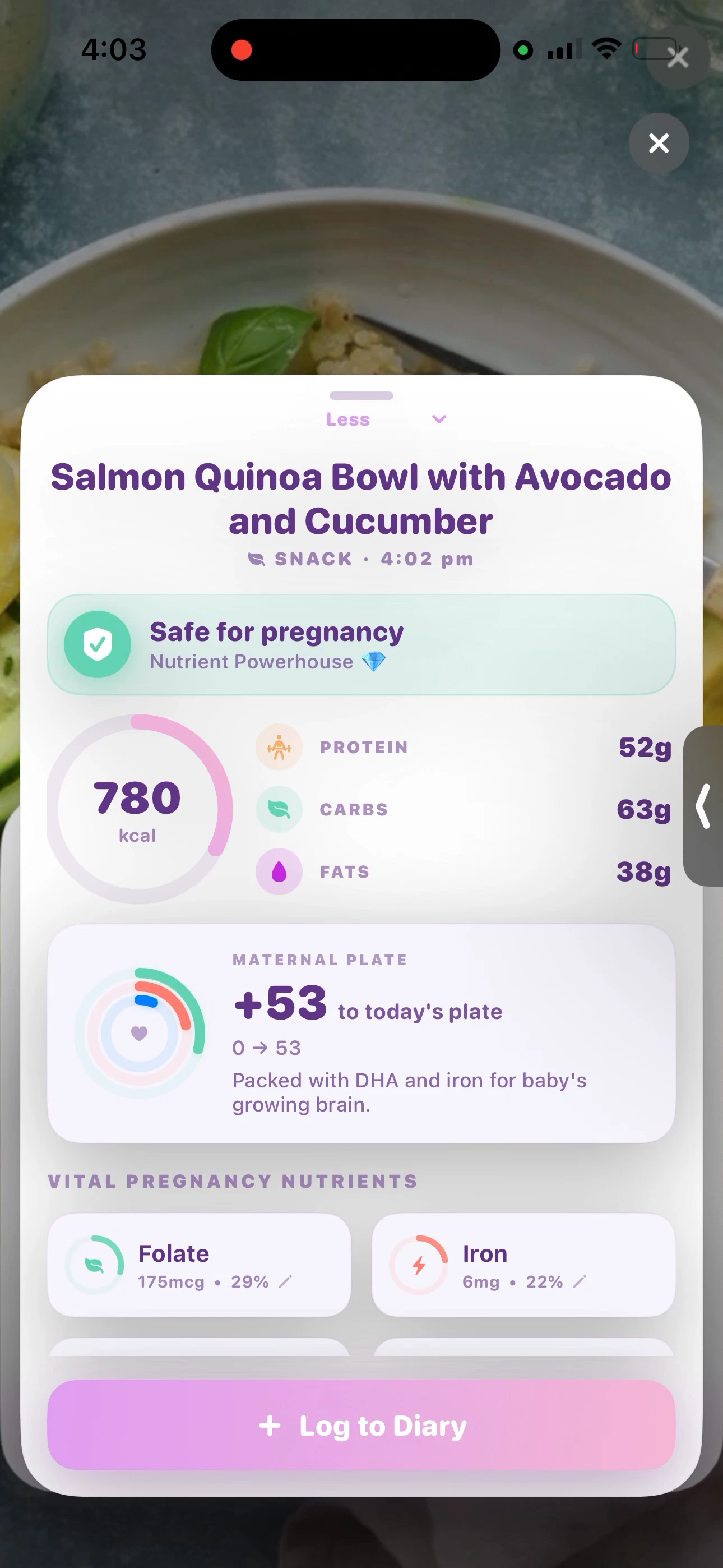
Track your iron intake in the PregnancyPlate AppYour next meal, a little less guesswork.
Scan your plate for pregnancy food-safety guidance and a nutrition breakdown. Keep your meals and nutrient progress in one place.
 Scan with your iPhone
to get the app
Almost nobody volunteers this one. Craving a bacon sandwich at midnight is a story you tell people. Wanting to chew a sponge, lick a cold brick wall, or eat a bowl of ice cubes until your teeth hurt is not.
It has a name, it is well documented, and in most cases it is your body flagging something specific.
What Pica Is
Pica is a persistent craving for, and often eating of, things that are not food. In pregnancy the common ones are ice, chalk, soil or clay, coal, chalk dust, laundry starch, paper, sponge, toothpaste, soap and the smell of petrol or fresh paint.
Craving ice specifically is common enough to have its own term, pagophagia, and it is the version most strongly tied to iron deficiency.
Sometimes it is the smell rather than the taste. Wanting to inhale petrol, cleaning products, wet cement or a freshly opened tin of paint counts, and it comes up more often than the eating version.
Reported rates vary enormously between studies and cultures, partly because of genuine differences and partly because people do not admit to it. What is consistent is that it is far from rare.
The Iron Link
The most established association, and the reason this is worth acting on rather than waiting out.
Pica in pregnancy correlates strongly with iron deficiency, and there are documented cases where cravings stopped within days or weeks of iron being corrected. That timing is what makes the connection convincing.
The mechanism is not fully settled. It is not that ice or clay contains iron, because they do not. The more likely explanation involves iron's role in brain function and dopamine signalling, which is the same territory as restless legs, another iron-linked pregnancy symptom covered in our restless legs guide.
Ask for ferritin, not just a full blood count. Ferritin measures your stores; haemoglobin only tells you whether you are anaemic. You can crave ice relentlessly with a haemoglobin reading a GP would call normal. Our iron guide covers the numbers.
Zinc deficiency has also been linked to pica in some research, though the evidence is thinner than for iron.
What Is Actually Dangerous
This is the part that matters, because the substances differ enormously in risk.
Soil, clay and chalk. The most concerning. Risks include lead and other heavy metals, parasites including toxoplasmosis from soil, and bacterial contamination. Clay and chalk also bind minerals in the gut, which can worsen the very iron deficiency driving the craving. A genuine vicious circle.
Laundry starch and raw flour. Raw flour carries E. coli risk and starch displaces nutritious food while adding nothing.
Coal, ash and cigarette ash. Toxic compounds, and no upside.
Paint and plaster, especially in older buildings, where lead is a real hazard.
Soap, sponge and paper. Generally lower risk in small amounts but can cause blockages and gut irritation in larger ones.
Ice. The least harmful by a distance. The main risks are dental damage from crunching and, if you are eating vast quantities, filling up on something with no nutritional value. It is still worth investigating because of what it signals.
Petrol, paint and solvent fumes deserve a specific mention: inhaling them is not safe in pregnancy, and the craving to do so is worth raising promptly.
Pica in One Box
- It is a signal, not a habit. Strongly linked to iron deficiency.
- Ask for ferritin specifically, not just a full blood count.
- Ice is the least harmful. Soil, clay, chalk and paint are not.
- Clay and chalk block mineral absorption, worsening the deficiency.
- Cravings often stop within weeks once iron is corrected.
Is It Always Iron?
No, and it is worth knowing the other explanations so you can recognise which applies.
Cultural practice. In some communities eating clay or chalk during pregnancy is traditional and deliberate rather than a craving. That does not make it safe, since the contamination and mineral-binding risks are the same, but it is a different conversation and worth being honest about with a midwife rather than hiding.
Stress and anxiety. Some pica appears to be a self-soothing behaviour, particularly the repetitive ones like chewing paper or sponge. It can sit alongside a deficiency rather than instead of it.
Pre-existing pica. If you had it before pregnancy, this is a longer-standing pattern and worth discussing properly rather than assuming pregnancy caused it.
The practical approach is the same regardless: get iron checked first, because it is the most common explanation and the easiest to correct. If iron comes back fine and the craving persists, that is a useful piece of information rather than a dead end.
Does It Stop After the Birth?
Usually, and fairly quickly, particularly if it was deficiency-driven and the deficiency gets corrected.
Bear in mind that birth itself costs you iron, more so with a caesarean or a heavy bleed. So a craving that eased in late pregnancy can return in the weeks afterwards, and postpartum exhaustion masks it easily because everyone is exhausted anyway.
If ice or non-food cravings continue past the first few weeks postpartum, ask for your levels to be rechecked rather than assuming it is a leftover pregnancy quirk.
How to Raise It Without Cringing
The embarrassment is the main reason this goes unreported, and it is worth getting past because the fix is straightforward.
Midwives and GPs know about pica. It is in the textbooks, it is a recognised clinical sign, and nobody will be shocked. If it helps, you do not have to describe it in detail. "I've been craving things that aren't food, can I have my ferritin checked?" is a complete sentence and gets you exactly where you need to be.
Write it on a list before your appointment if saying it out loud feels difficult. Ten minutes of awkwardness against months of a craving you cannot control is a good trade.
And if you have already eaten something you are worried about, say so. Nobody is going to tell you off, and it changes what they check for.
Managing the Craving Meanwhile
Correcting iron is the actual fix, and it takes weeks. In the meantime substitution helps more than willpower.
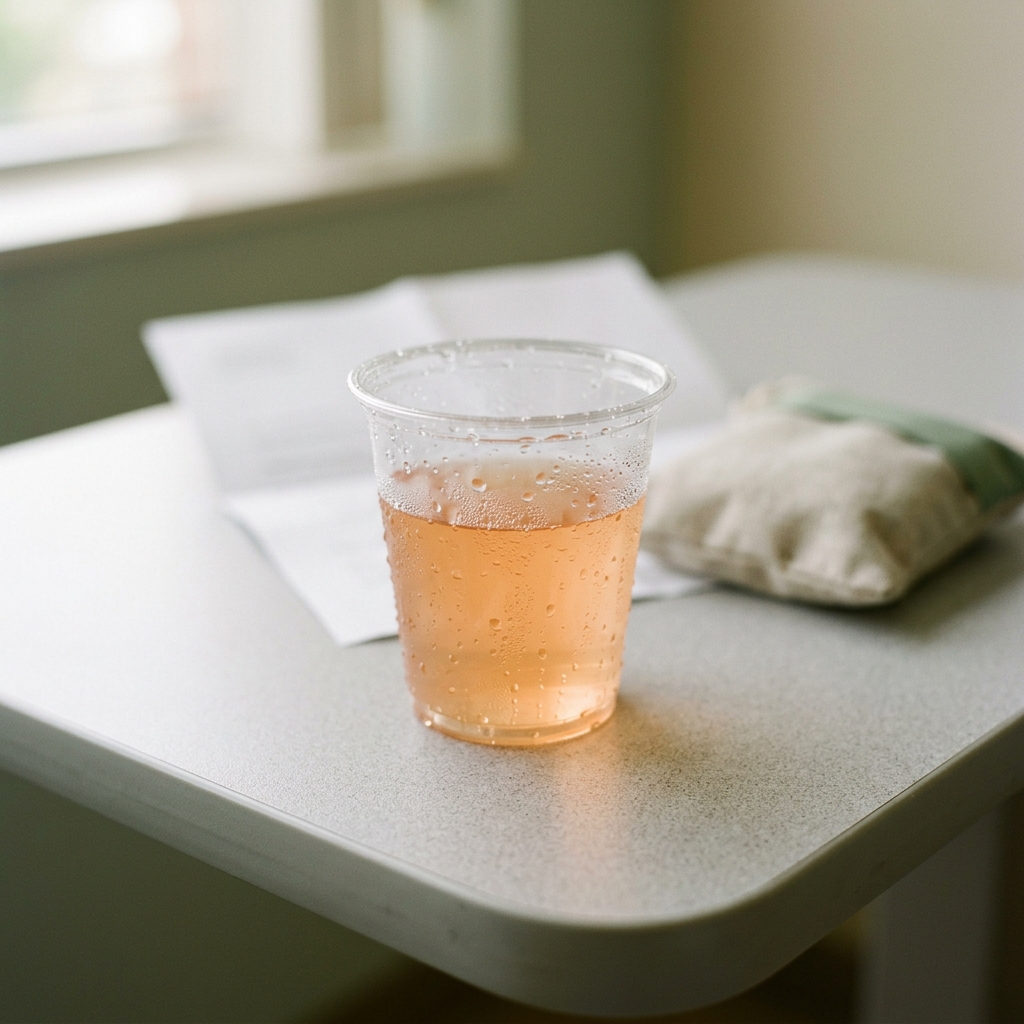
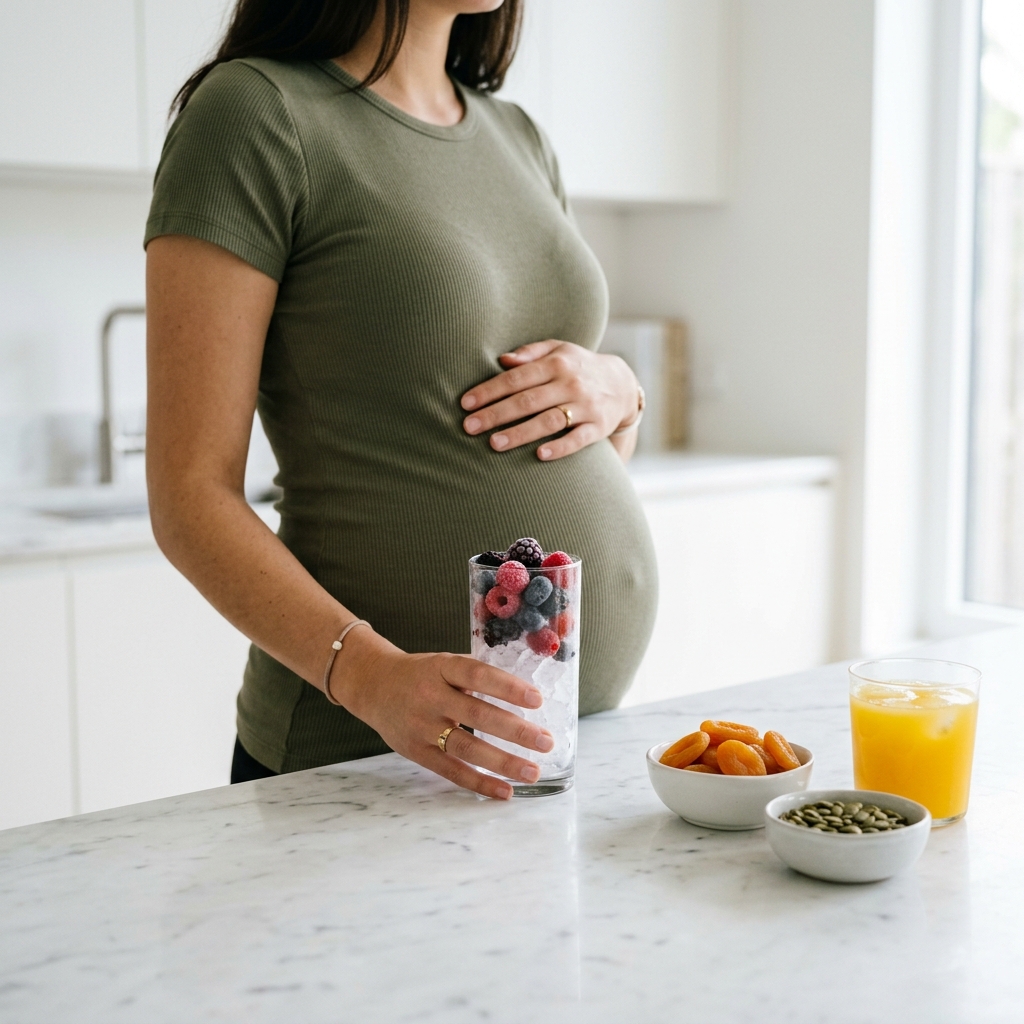
For ice cravings: crushed ice rather than cubes is kinder to teeth. Frozen grapes, frozen berries, ice lollies made from fruit juice, very cold sparkling water. All satisfy the cold-and-crunchy urge with less dental damage.
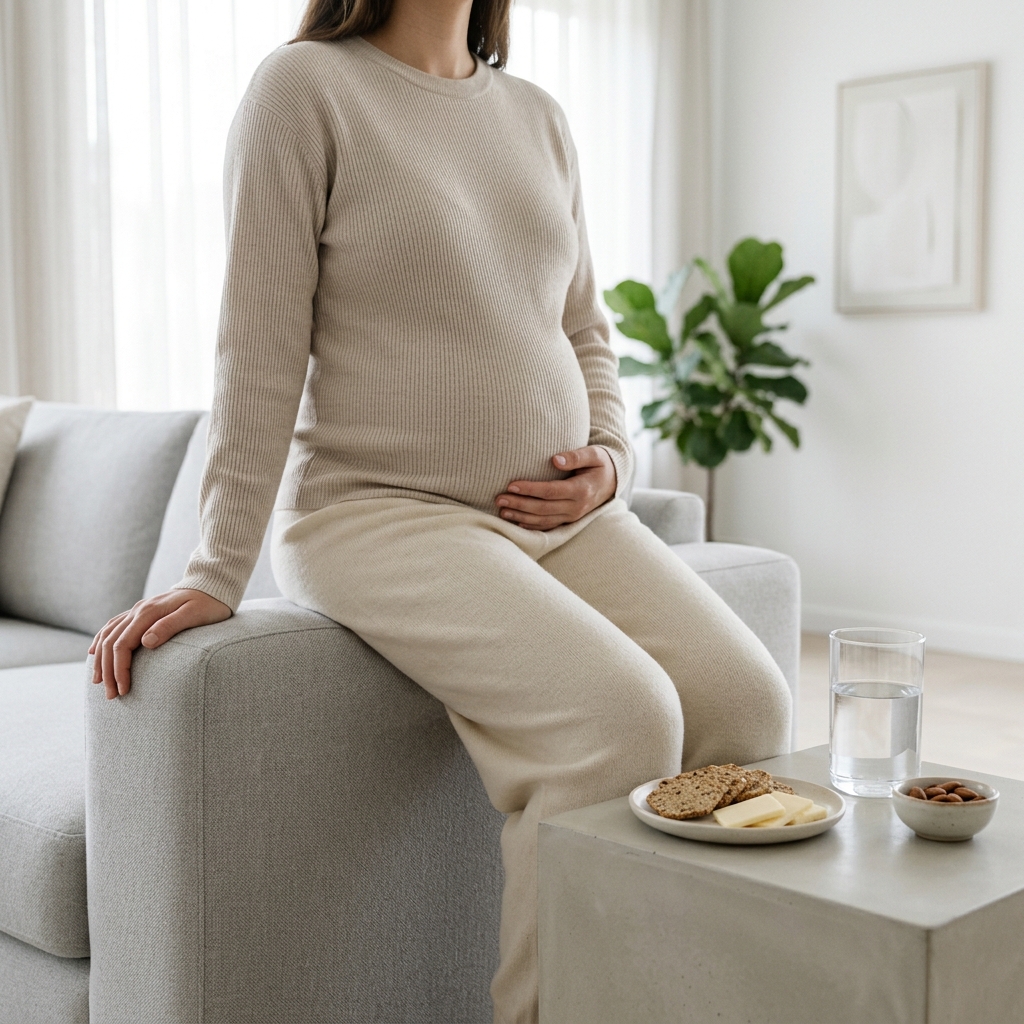
For crunch and texture: raw carrot, celery, apple, ice-cold cucumber, crackers, nuts.
For chalky or dry textures: plain crackers, rice cakes, breadsticks.
For smell cravings: avoid the actual substance, and use a strong safe scent as a substitute. Citrus peel, fresh mint, coffee beans.
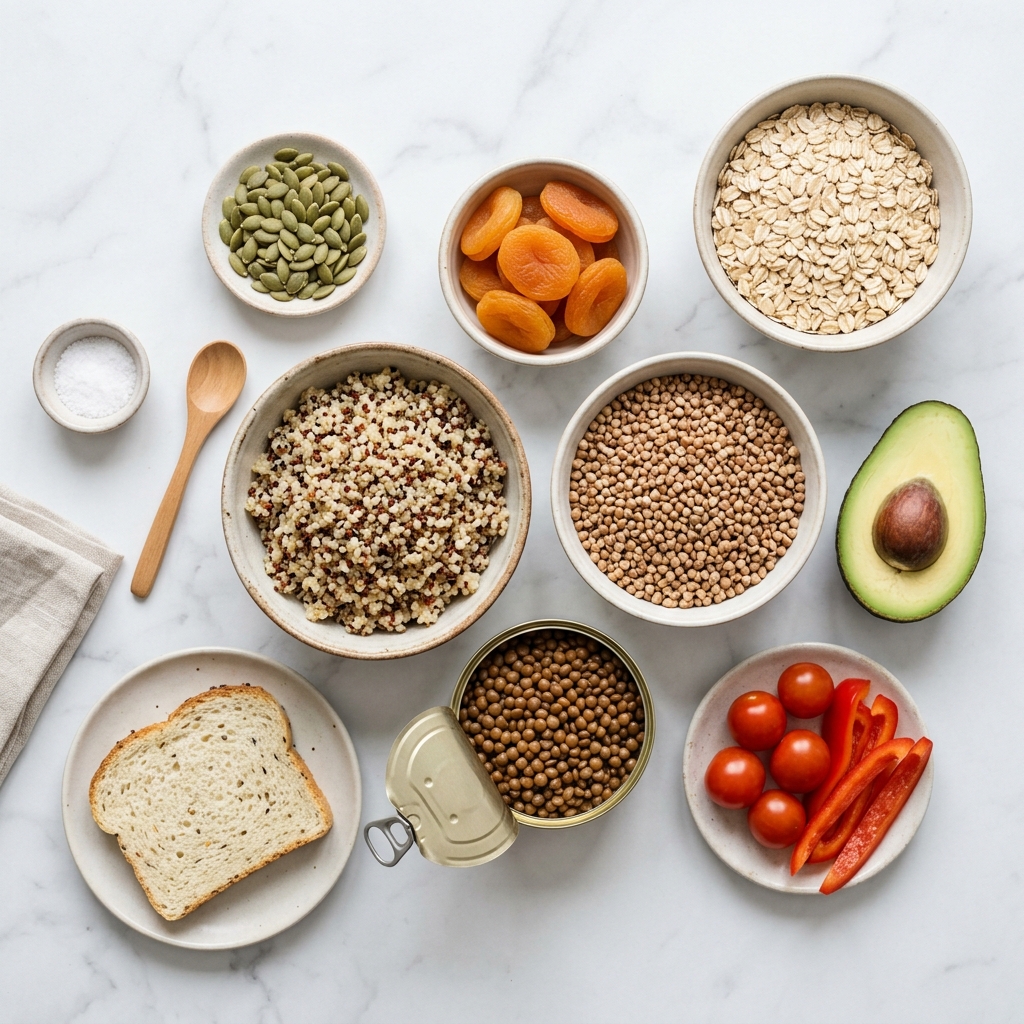
Meanwhile push food iron: red meat, dark poultry meat, lentils, beans, fortified cereal and dried apricots, paired with vitamin C and kept an hour clear of tea and coffee. Our prenatal gaps guide covers what your supplement is and is not providing.
Do not start iron supplements on your own without a test. Unnecessary iron causes constipation you do not need and interferes with absorbing other minerals.
One dental note, since ice is the most common craving here. Crunching ice damages enamel and can crack fillings, and pregnancy already makes gums more sensitive. Let it melt rather than chewing where you can, and mention it at a dental check, which is free during pregnancy and for a year afterwards in the UK.
When to Get Seen Promptly
Contact your midwife or GP sooner rather than at the next routine appointment if you have already eaten soil, clay, chalk, paint or plaster, particularly in an older building where lead is a possibility. Also if you are experiencing the classic deficiency symptoms alongside it: unusual exhaustion, breathlessness on stairs, dizziness, pale skin or a racing heart.
And mention it if the craving is intense enough to be occupying your thoughts or affecting what you eat overall, since displacing real food matters as much as the substance itself.
The genuinely reassuring part is how treatable this usually is. For most women pica in pregnancy is a deficiency wearing a strange disguise, and once the deficiency is corrected the craving simply goes.
Clinical Sources & Research
This article is general information and does not replace medical advice. If you are craving or eating non-food substances in pregnancy, tell your midwife or GP and ask for a ferritin test.
Meet the Editorial Team
The researchers and experts behind PregnancyPlate.

Fiza Izra
Founder & Tech Researcher
A UK-based mother of 3 with a background in tech and data synthesis, Fiza brings real-world experience navigating hyperemesis gravidarum and postnatal depression. She engineers complex clinical guidelines (NHS, ACOG) into accessible tools, ensuring rigorous fact-checking with deep empathy.

Emma Davies
Senior Nutrition Editor
A mum and writer, Emma runs our food safety desk. She is the one who rings the restaurant to ask how long the lettuce sits out, checks every claim against CDC, FDA and NHS guidance, and rewrites the answer until it is usable at 9pm in a drive-thru queue.
Make sense of every plate.
Scan your plate for pregnancy food-safety guidance and a nutrition breakdown. Keep your meals and nutrient progress in one place.
Scan with your iPhoneto get the app