Postpartum Recovery: What to Eat in the First Six Weeks
Your body is healing from birth on almost no sleep. What to eat for tissue repair, iron, constipation and energy, and how to do it one-handed.
In this article
Editorial note: This article is researched from official public health and pregnancy food safety guidance, then edited by the PregnancyPlate team for clarity. It is not medical advice. If you are worried about symptoms or a specific exposure, contact your midwife, GP or healthcare provider.
The Fast Answer: Four things matter in the first six weeks and everything else is noise. Protein for tissue repair, iron to replace what you lost at birth, fibre and fluids because the first bowel movement is genuinely feared, and enough calories, which almost nobody manages. You do not need a special postpartum diet. You need food you can eat with one hand while someone else is crying.
Track postpartum recovery and feeds in the PregnancyPlate AppSafety is step one. Nutrition helps your baby thrive.
Knowing a meal is safe does not tell you whether you are getting enough iron, folate, calcium and choline. PregnancyPlate tracks all of it from a photo of your plate.
- See nutrient progress
- Scan meals instantly
- Nourish with confidence
 Scan to download
Open with iPhone camera
Scan to download
Open with iPhone camera
Everything about pregnancy nutrition is documented in enormous detail, and then you give birth and the advice stops. Which is odd, because this is the point at which you are most depleted, most sleep-deprived, and least able to cook.
So here is what your body is actually doing in these six weeks, and what genuinely helps.
Still pregnant? The highest-value preparation you can do is batch cooking freezer meals before the birth.
What Your Body Is Recovering From
Worth naming, because it reframes eating as recovery rather than vanity. If you had a caesarean, our C-section recovery guide covers the extra bits: wound healing, trapped wind and the constipation that catches almost everyone.
You have a wound where the placenta detached, roughly the size of a dinner plate, healing inside your uterus. You likely have perineal tearing or stitches, or an abdominal incision if you had a caesarean. You lost blood, typically 300 to 500ml in a vaginal birth and more with a caesarean. Your uterus is shrinking from watermelon back to pear over these six weeks. Your hormones have fallen off a cliff. And if you are feeding, you are producing food for another person on top of all of it.
That is a serious physical event, and it is happening while you sleep in ninety-minute fragments.
The Four Things That Actually Matter
Protein, for repair. Tissue healing runs on amino acids, and this matters more after a caesarean or significant tearing. Aim for protein at every eating occasion rather than a target number, since counting anything right now is unrealistic. Eggs, yogurt, cheese, tinned fish, leftover chicken, nut butter.
Iron, to replace blood loss. This is the one most often missed. Low iron postpartum feels almost exactly like normal new-parent exhaustion: flat, foggy, breathless on the stairs, heart racing when you stand. Red meat is the most efficient source; lentils, beans and fortified cereal work with vitamin C alongside. If the tiredness feels heavier than the sleep deprivation explains, ask for a blood test rather than assuming.
Fibre and fluids, for the thing nobody warns you about. The first postpartum bowel movement is genuinely dreaded, and constipation, common after birth thanks to iron supplements, pain relief and dehydration, makes it considerably worse. Oats, fruit, vegetables, wholegrains and a lot of water, starting immediately rather than once there is a problem. Our fibre guide applies directly.
Enough calories, full stop. The most common postpartum nutrition mistake is not eating badly, it is not eating. Between the chaos and the pressure to "get your body back", plenty of women eat far too little during the exact weeks their body is rebuilding tissue. If you are breastfeeding you need 450 to 500 extra a day, more than pregnancy required, which our breastfeeding nutrition guide covers.
If You Had a Caesarean
A caesarean is major abdominal surgery and the nutritional priorities shift slightly. Protein needs rise for wound healing. Constipation is more likely, from the surgery itself plus stronger pain relief, and straining against a fresh abdominal incision is exactly as unpleasant as it sounds, so fibre and fluids move from helpful to essential. Trapped wind is a genuinely painful and under-warned-about side effect in the first few days; peppermint tea helps, and so does moving as soon as you are allowed. Vitamin C and zinc support wound healing, and both come from ordinary food rather than needing supplements.
Food You Can Actually Eat With One Hand
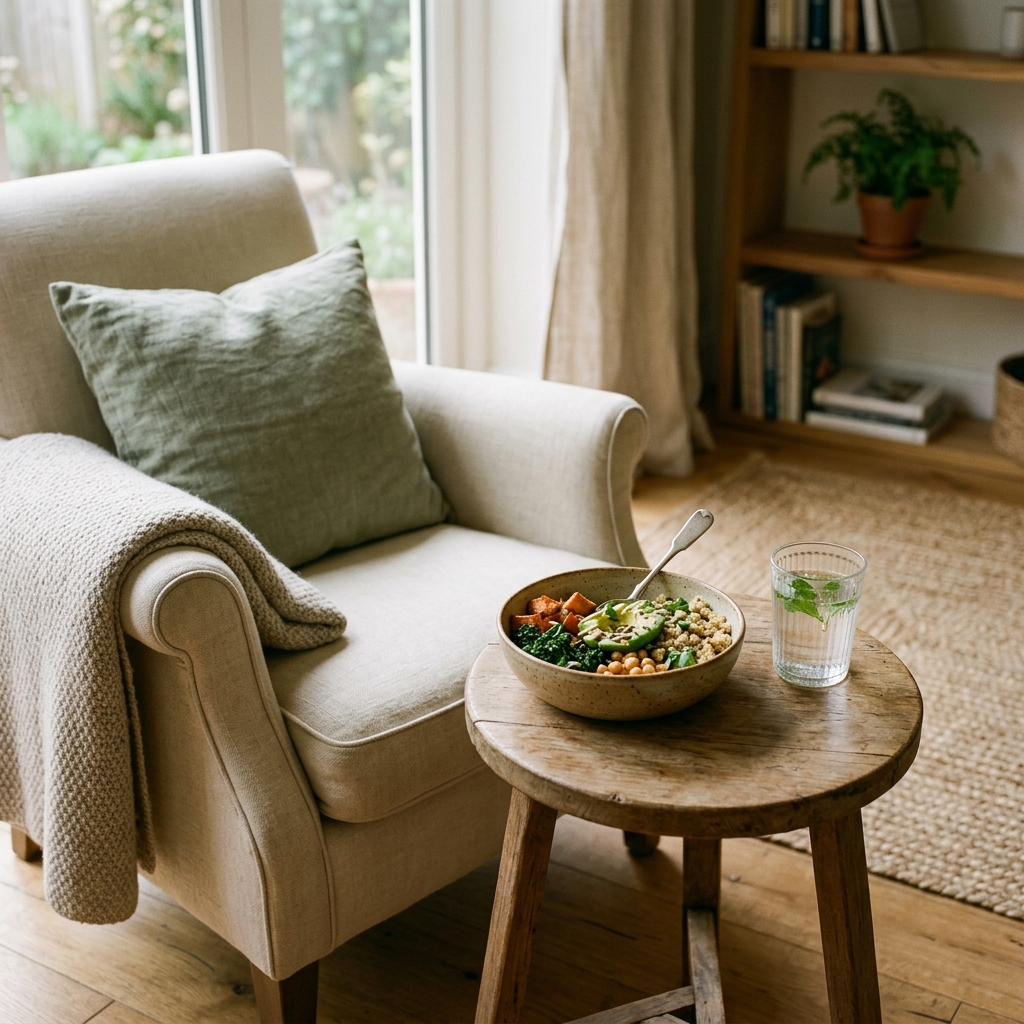
The real constraint is not knowledge, it is logistics. You will be starving while pinned under a sleeping baby, at 3am, with one usable hand.
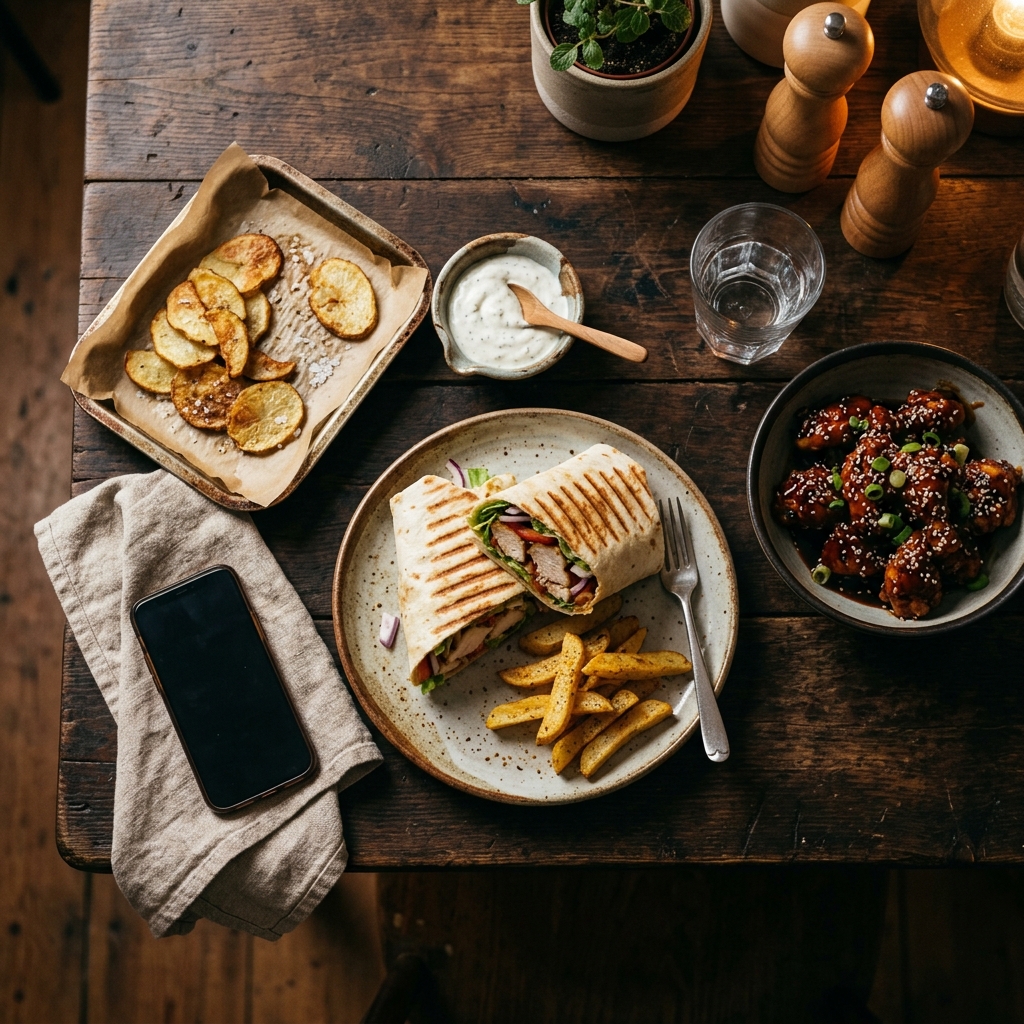
- Overnight oats, made in batches of four. Cold, one-handed, fibre and slow carbohydrate.
- Boiled eggs, six in the fridge at all times. Protein and choline.
- Cheese, oatcakes, fruit. Assembled in under a minute.
- Nut butter on toast. The fourth trimester staple, and calorie dense.
- Energy balls of oats, dates and nut butter. Iron, fibre and calories in one bite.
- Full fat Greek yogurt with honey. Protein and calcium, no preparation.
- Soup in a mug. Warm, hydrating, drinkable one-handed.
Notice none of it requires a knife, a plate, or two hands. That is the actual design criterion.
The Freezer Is Worth More Than Any Supplement
If you are still pregnant and reading ahead, this is the single most useful thing you can do: batch cook in the third trimester. Six to eight portions of chilli, bolognese, curry or soup, frozen in single servings.
The value is not just the food. It is that at 6pm on day nine, when nobody has slept and the baby has fed for two hours, there is a real meal that requires no decisions. Decision fatigue is a genuine feature of early parenthood and a labelled freezer removes one instance of it every single day.
Accepting Help Properly
People will ask what they can do. Most new parents say "nothing, we're fine", and then eat toast for a fortnight.
Give them a specific task instead. A meal dropped at the door in a container that does not need returning. A supermarket delivery. An hour holding the baby while you eat something hot with two hands, which will feel like a spa day. If someone offers to cook, ask for something freezable rather than something for tonight.
This is not indulgence, it is part of recovery, and it is the bit most likely to be skipped.
When It Is More Than Tiredness
One more worth knowing about: hair shedding that starts around month three is normal and hormonal, though low iron makes it worse. Our postpartum hair loss guide explains what nutrition does and does not change.
Some things are worth raising rather than absorbing. Persistent dizziness, breathlessness on mild exertion, or a racing heart can indicate postpartum anaemia and deserve a blood test. Heavy bleeding that suddenly increases, or large clots, needs same-day medical attention. And low mood that persists beyond the first two weeks is worth a conversation with your GP or health visitor. Nutrition supports mood but it does not treat postnatal depression, and getting help early matters far more than eating well.
The Six Week Short List
- Protein at every eating occasion. Repair runs on it.
- Iron, and get it tested if exhaustion outweighs the sleep loss.
- Fibre and fluids from day one, not once constipation arrives.
- Eat enough. Under-eating is the most common mistake, not eating badly.
- Everything one-handed. If it needs a knife and fork, it will not get eaten.
- Say yes to help, and be specific about what would help.
Our fuller postpartum nutrition guide goes deeper on the micronutrient side.
A Realistic Week One
Not a meal plan so much as a survival pattern, because week one is not a week in which anyone cooks.
Breakfast happens whenever you first get a free hand, which may be 11am. Overnight oats, or toast with nut butter, or yogurt with granola. Lunch is assembled rather than made: cheese, oatcakes, fruit, boiled eggs, leftovers eaten cold. Dinner comes from the freezer or from whoever offered. Between all of it, snacks live wherever you feed, because the hunger arrives suddenly and does not wait.
Keep a water bottle in every room you sit in. Keep snacks in the same places. The single most effective postpartum nutrition intervention is not what you eat, it is whether food is within arm's reach of where you are trapped.
Weeks Two to Six: Rebuilding a Rhythm
As feeding settles into something more predictable, a few habits are worth reintroducing in this order.
First, one hot meal a day. Not because cold food is worse nutritionally, but because it feels human, and morale is a legitimate consideration when you are this tired.
Then, protein at breakfast. This is the meal most often skipped and the one that sets up your energy for the day. Eggs, yogurt or leftover dinner all count; there is no rule that breakfast must be breakfast food.
Then, vegetables in whatever form survives. Frozen, tinned, pre-chopped, blitzed into a sauce. Nobody is judging the format, and frozen vegetables are nutritionally equivalent to fresh.
Finally, batch cooking again, once you have a stretch where someone else can hold the baby. One cooking session refills the freezer for a fortnight.
What not to reintroduce yet: any form of restriction. The pressure to diet arrives absurdly early, often before the six week check, and it is the worst possible timing. Your body is rebuilding tissue and, if you are feeding, producing milk. Restriction now buys nothing and costs energy you do not have.
Clinical Sources & Research
Meet the Editorial Team
The researchers and experts behind PregnancyPlate.

Fiza Izra
Founder & Tech Researcher
A UK-based mother of 3 with a background in tech and data synthesis, Fiza brings real-world experience navigating hyperemesis gravidarum and postnatal depression. She engineers complex clinical guidelines (NHS, ACOG) into accessible tools, ensuring rigorous fact-checking with deep empathy.

Emma Davies
Senior Nutrition Editor
A mum and writer, Emma runs our food safety desk. She is the one who rings the restaurant to ask how long the lettuce sits out, checks every claim against CDC, FDA and NHS guidance, and rewrites the answer until it is usable at 9pm in a drive-thru queue.