Pregnancy Sheet Pan Dinners: 12 Easy One-Pan Meals for Tired Evenings
Twelve easy pregnancy sheet pan dinners with protein, iron and vegetables, all on one pan, plus the safe cooking temperatures and marinade rules that matter in pregnancy.
In this article
Editorial note: This article is researched from official public health and pregnancy food safety guidance, then edited by the PregnancyPlate team for clarity. It is not medical advice. If you are worried about symptoms or a specific exposure, contact your midwife, GP or healthcare provider.
The Fast Answer: Sheet pan dinners are one of the easiest ways to eat well in pregnancy: one pan, about 10 minutes of prep, and a protein, vegetables and a starch all cooked together. For safety, use a meat thermometer (chicken and turkey to 165°F, ground meat to 160°F, salmon and pork to 145°F), never reuse a raw-meat marinade unless you boil it, and get leftovers into the fridge within 2 hours.
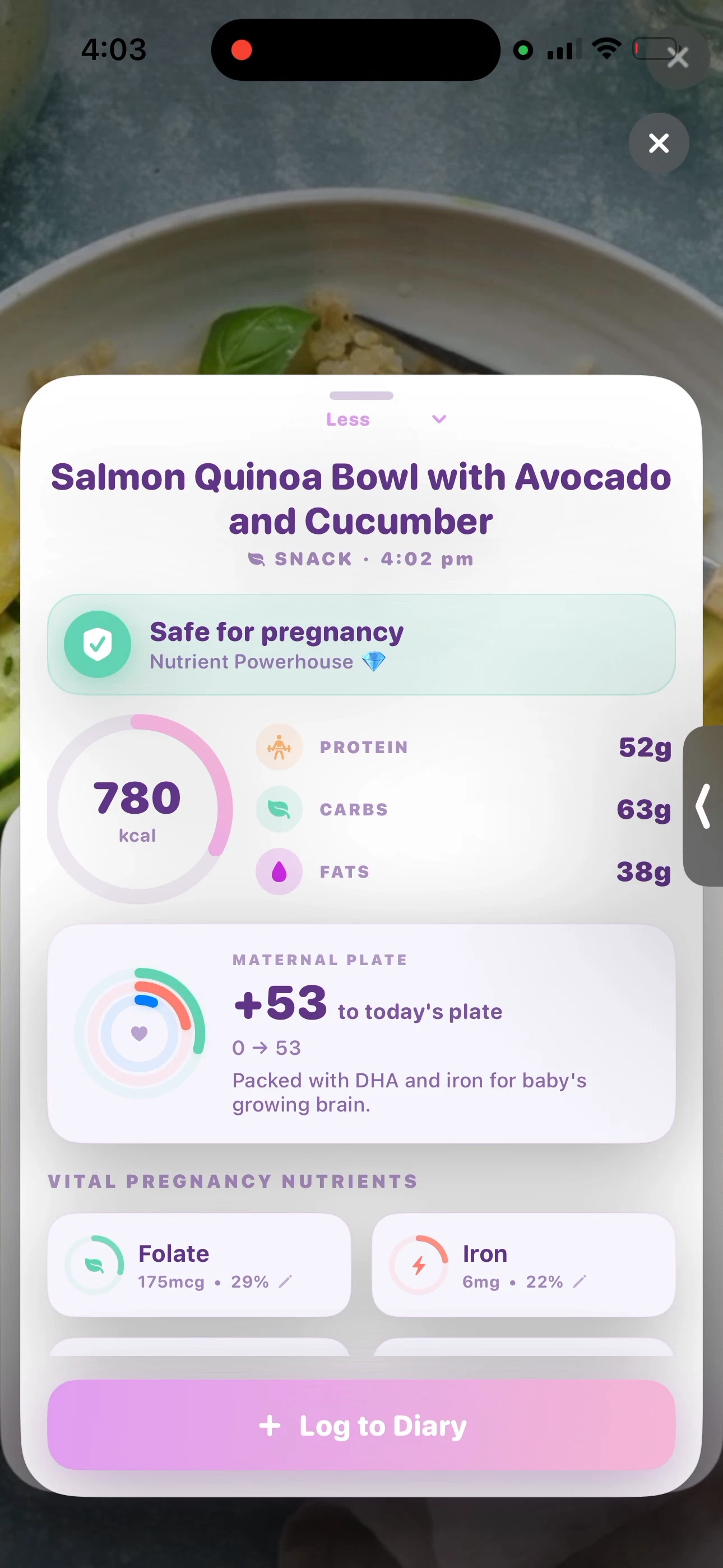
Track your nutrition in seconds in the PregnancyPlate AppYour next meal, a little less guesswork.
Scan your plate for pregnancy food-safety guidance and a nutrition breakdown. Keep your meals and nutrient progress in one place.
 Scan with your iPhone
to get the app
Some evenings in pregnancy, the idea of standing at the stove stirring three pans is just too much. That's where a sheet pan earns its place. You chop, toss everything with oil and seasoning, slide it into the oven, and sit down for 25 minutes while it cooks. There's one pan to wash, and dinner is a complete meal.
These twelve sheet pan dinners are built around what pregnancy asks for: protein in every one, plenty of vegetables, and iron, fiber or omega-3s in most. First, the few safety rules that matter, then the recipes.
The Sheet Pan Formula
- A protein: chicken thighs or breast, salmon, shrimp, sausage, meatballs, pork tenderloin, chickpeas or tofu.
- Two or three vegetables: broccoli, peppers, zucchini, green beans, Brussels sprouts, cauliflower, red onion or cherry tomatoes.
- A starch: potatoes, sweet potatoes or butternut squash, or serve over rice or with bread.
- Oil and seasoning: olive oil, garlic, herbs, spices and a squeeze of lemon at the end.
The one trick worth knowing: cut things to cook at the same speed. Potatoes and squash need a head start of 10 to 15 minutes, while shrimp and asparagus need only the last 10.
Sheet Pan Safety Rules in Pregnancy
Use a thermometer. Roasting times vary with your oven and the size of the pieces, so check the thickest piece. The USDA's safe internal temperatures are 165°F for chicken and turkey, 160°F for ground meat like sausage and meatballs, 145°F with a 3-minute rest for pork and whole cuts of beef, and 145°F for fish. Shrimp is done when it's opaque all the way through.
Don't reuse a raw-meat marinade. Marinade that has touched raw meat or chicken can carry bacteria. If you want extra sauce for the table, set some aside before the meat goes in, or bring the used marinade to a boil first.
Cook it all the way in one go. The USDA advises against partially cooking meat or chicken and finishing it later. If you're prepping ahead, prep raw and cook fully on the night.
Keep raw meat separate while you prep. Chop vegetables first, then the meat, or use separate boards. Once everything is on the pan and cooked, it's all safe together.
Leftovers. Get them into the fridge within 2 hours, eat them within 3 to 4 days, and reheat until steaming. Sheet pan leftovers make great next-day lunches.
12 Easy Pregnancy Sheet Pan Dinners
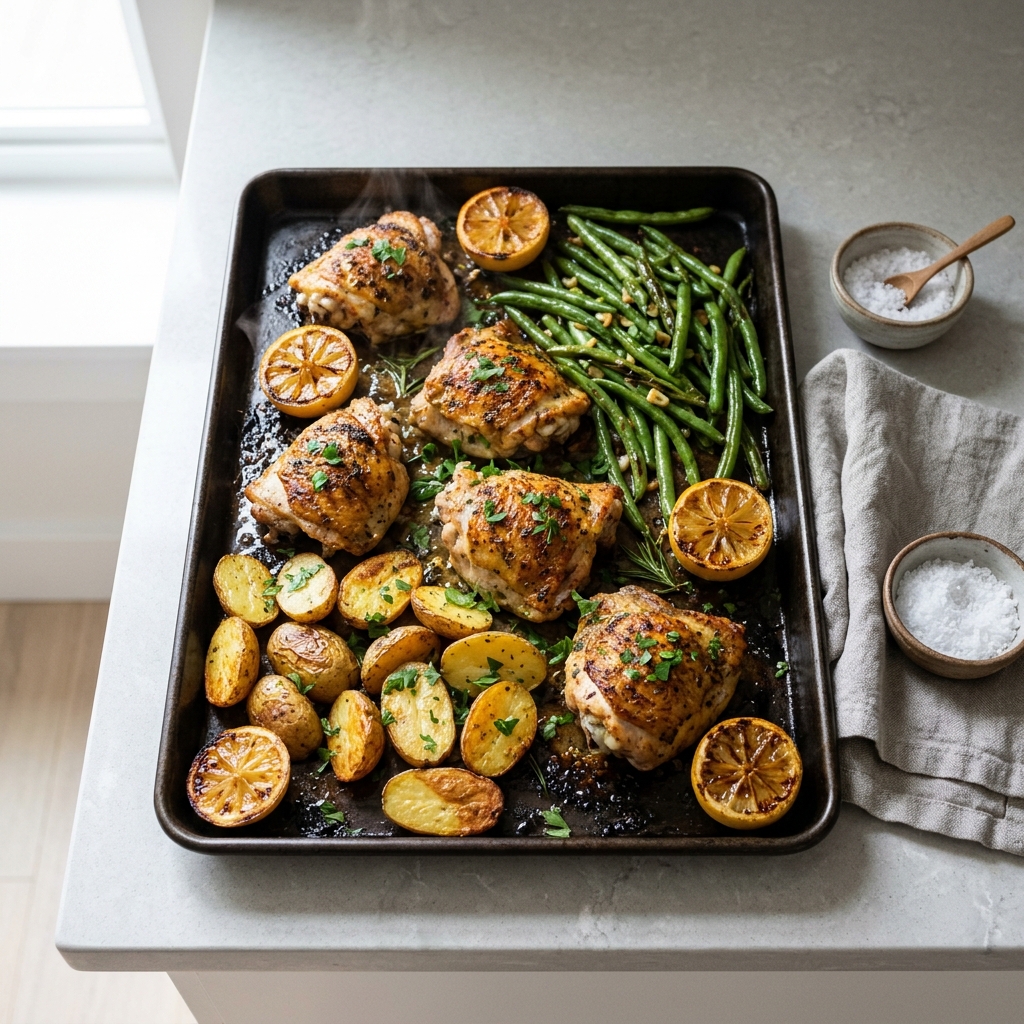
1. Lemon herb chicken and potatoes. Toss chicken thighs and halved baby potatoes with olive oil, garlic, oregano and lemon zest. Roast at 425°F for about 35 minutes, adding green beans for the last 15. Check the chicken reaches 165°F.
2. Salmon with broccoli and sweet potato (omega-3s). Roast sweet potato cubes for 15 minutes, then add salmon fillets and broccoli and roast another 12 to 15 minutes until the salmon reaches 145°F. Salmon is on the FDA and EPA "Best Choices" list for pregnancy.
3. Chicken fajitas. Slice chicken breast, peppers and onions, toss with fajita seasoning and roast at 425°F for about 20 minutes. Serve in warm tortillas with avocado, salsa and shredded cheddar or Monterey Jack. Skip crumbled queso fresco unless it's cooked until steaming.
4. Sausage, peppers and potatoes. Use fresh pork sausage cooked to 160°F (165°F for chicken or turkey sausage), or precooked sausage heated until steaming hot. Roast with peppers, red onion and potatoes. It's a filling dinner with almost no effort.
5. Garlic shrimp and asparagus. Roast asparagus and cherry tomatoes for 10 minutes, then add shrimp tossed in garlic and olive oil for the last 8 to 10, until opaque. Serve over rice or orzo. Shrimp is a low-mercury "Best Choice." Our shrimp guide has more.
6. Chickpea and sweet potato traybake (plant iron and fiber). Roast canned chickpeas, sweet potato, red onion and cauliflower with cumin and smoked paprika. Finish with a spoonful of Greek yogurt and a squeeze of lemon. Chickpeas bring plant iron and fiber, and the lemon helps you absorb the iron.
7. Turkey meatballs with zucchini and tomatoes. Roll ground turkey meatballs and roast alongside zucchini and cherry tomatoes until the meatballs reach 165°F. Serve with pasta or crusty bread.
8. Pork tenderloin with apples and Brussels sprouts. Season pork tenderloin, roast with apple wedges and halved Brussels sprouts at 425°F, and take it out at 145°F, then rest for 3 minutes before slicing. Pork tenderloin is lean, and Brussels sprouts add folate and fiber.
9. Steak bites with potatoes and green beans (iron). Roast potatoes first, then add cubes of sirloin and green beans for the last 10 to 12 minutes. Cook to at least 145°F with a short rest. Red meat is one of the best sources of easily absorbed iron. Our iron guide explains why you need more of it now.
10. Teriyaki tofu and vegetables. Press firm tofu, cube it and roast with broccoli, peppers and snap peas, then toss with teriyaki sauce. A good meat-free dinner with plant protein. Our meat aversion guide has more ideas like this.
11. Gnocchi with tomatoes and mozzarella. Toss shelf-stable gnocchi, cherry tomatoes and zucchini with olive oil and roast until crisp and bursting, then top with torn pasteurized mozzarella and basil and return to the oven until melted.
12. Sheet pan nachos for a cozy night in. Brown ground beef or turkey on the stove until cooked through, then layer tortilla chips, beans, the meat and shredded cheddar on a pan and bake until bubbling. Top with salsa, avocado and a spoonful of Greek yogurt instead of sour cream for extra protein.
Sheet Pan Rules in One Box
- Chicken and turkey: 165°F.
- Sausage and ground meat: 160°F (ground turkey 165°F).
- Pork, steak and salmon: 145°F, with a 3-minute rest for meat.
- Shrimp: opaque all the way through.
- Marinade: never reuse raw-meat marinade unless boiled.
- Leftovers: fridge within 2 hours, eat within 3 to 4 days.
Sheet Pan Dinners and Gestational Diabetes
Sheet pan dinners suit gestational diabetes well, because it's easy to load the pan with vegetables and protein and keep the starch to a measured portion. Go heavy on non-starchy vegetables like broccoli, peppers, zucchini and green beans, keep potatoes or sweet potatoes to the amount your care team recommends, and skip sugary glazes. Our gestational diabetes meal plan shows how a dinner like this fits into a full day.
Sheet Pan Dinners for Nausea and Heartburn
Nausea: roasting has a big upside here, because the oven does the cooking with the door closed, so there are fewer cooking smells than frying on the stove. Plain chicken with potatoes, or roasted sweet potato with a little salt, are gentle choices. Our low-odor dinners guide has more ideas for strong smell aversions.
Heartburn: go easy on chili, garlic and tomatoes late in the day, and choose lemon and herb seasonings instead.
Make It Work on Busy Weeks
Chop vegetables for two or three sheet pan dinners on the weekend and store them in containers in the fridge. On the night, you just add the protein and seasoning. Our Sunday meal prep routine builds this into a weekly plan, and our pregnancy dinner ideas and pregnancy pasta recipes give you more meals to rotate.
Clinical Sources & Research
This article is general information and does not replace advice from your doctor, midwife or dietitian. If you have gestational diabetes, a food allergy or another condition that affects your diet, follow the plan your care team has given you.
Meet the Editorial Team
The researchers and experts behind PregnancyPlate.

Fiza Izra
Founder & Tech Researcher
A UK-based mother of 3 with a background in tech and data synthesis, Fiza brings real-world experience navigating hyperemesis gravidarum and postnatal depression. She engineers complex clinical guidelines (NHS, ACOG) into accessible tools, ensuring rigorous fact-checking with deep empathy.

Emma Davies
Senior Nutrition Editor
A mum and writer, Emma runs our food safety desk. She is the one who rings the restaurant to ask how long the lettuce sits out, checks every claim against CDC, FDA and NHS guidance, and rewrites the answer until it is usable at 9pm in a drive-thru queue.
Make sense of every plate.
Scan your plate for pregnancy food-safety guidance and a nutrition breakdown. Keep your meals and nutrient progress in one place.
Scan with your iPhoneto get the app