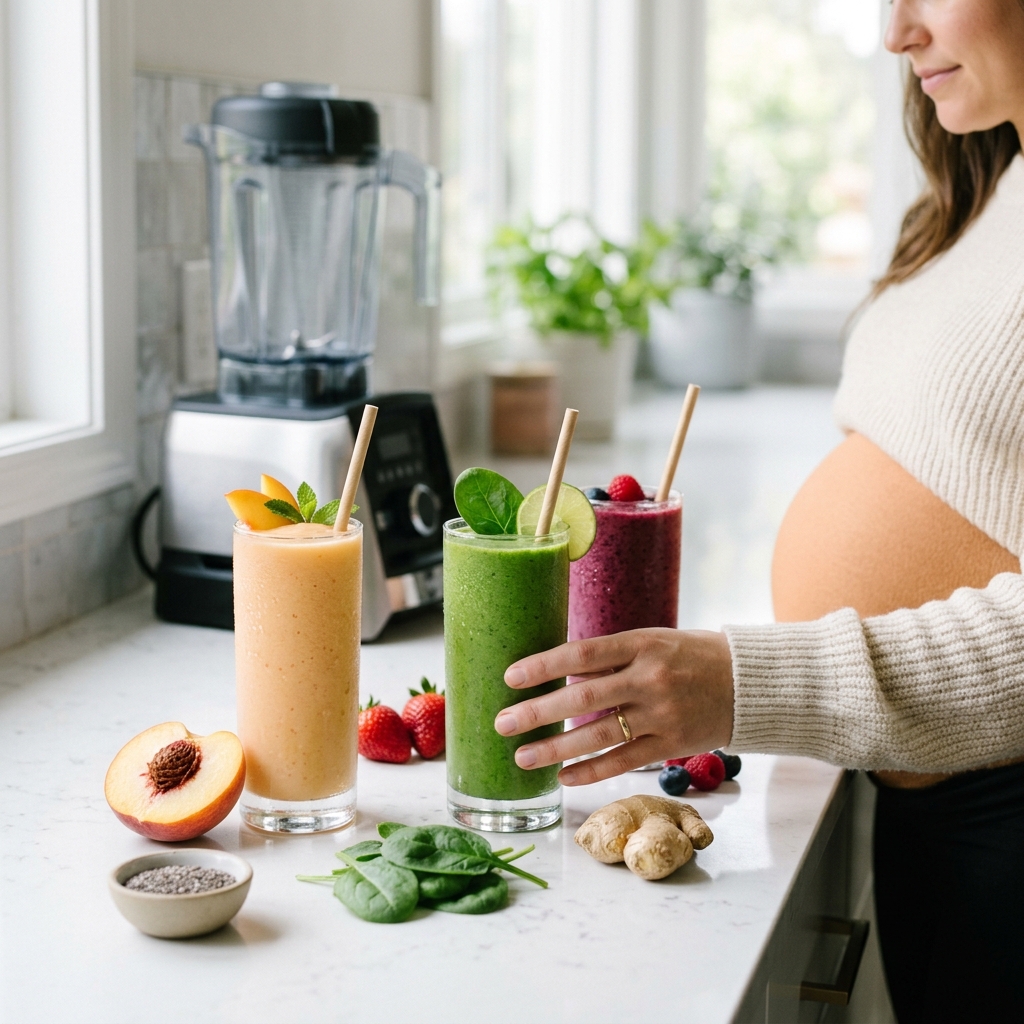
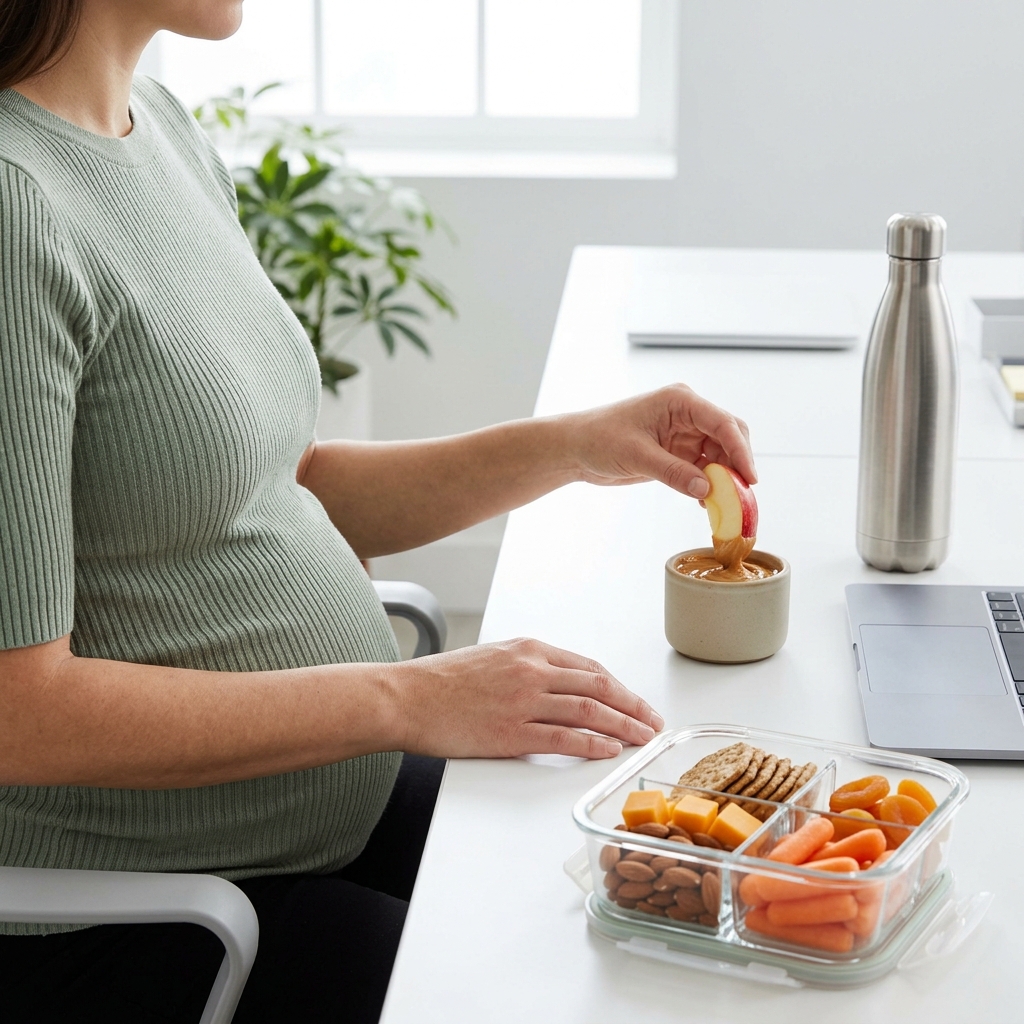
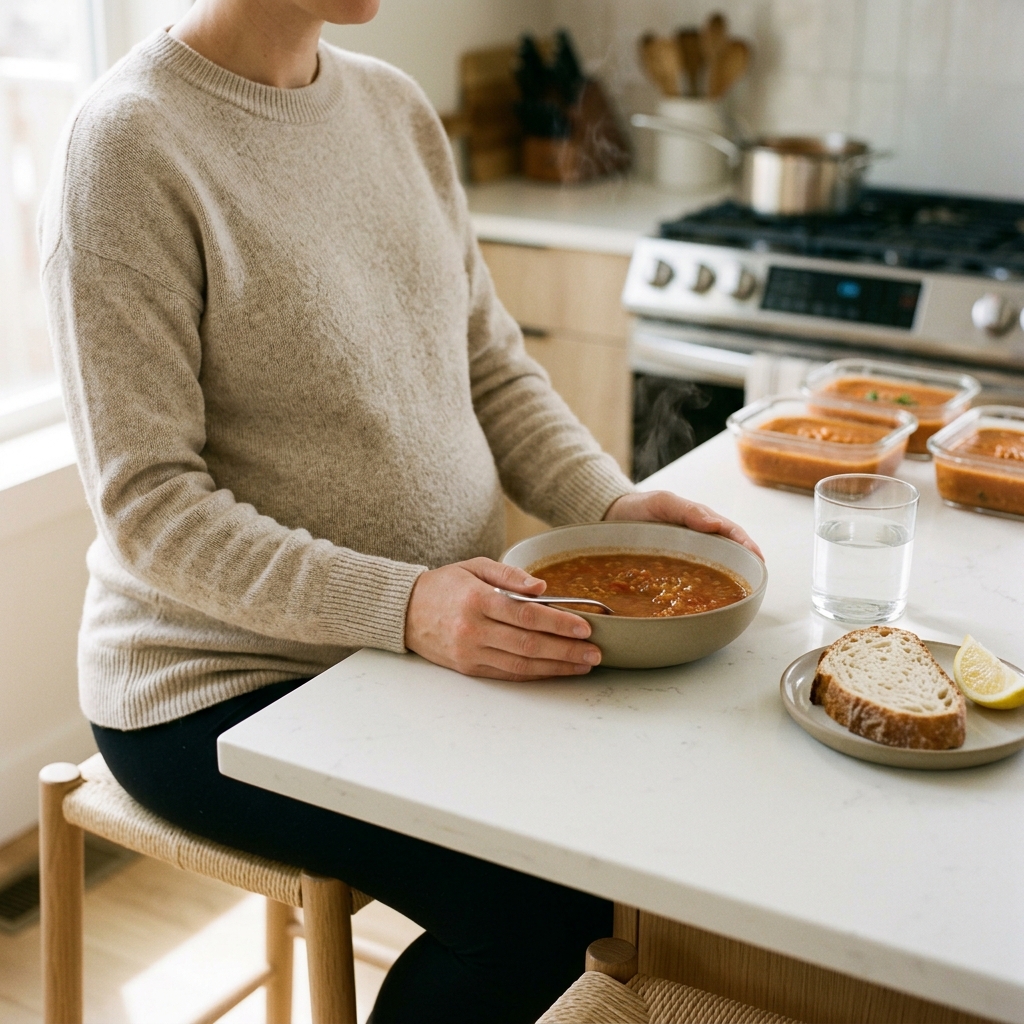
Pregnancy Salad Ideas: 12 Filling Salads and How to Eat Salad Safely While Pregnant
Twelve filling pregnancy salad ideas packed with protein, iron and folate, plus the safety rules for bagged greens, sprouts, cheese, dressings and store-bought deli salads.
In this article
Editorial note: This article is researched from official public health and pregnancy food safety guidance, then edited by the PregnancyPlate team for clarity. It is not medical advice. If you are worried about symptoms or a specific exposure, contact your midwife, GP or healthcare provider.
The Fast Answer: Yes, you can eat salad while pregnant, and a well-built salad is one of the best meals you can have. Wash whole produce under running water, keep bagged greens cold and use them by the date, and add a cooked protein so it actually fills you up. The things to leave off are raw sprouts, raw mushrooms, queso fresco, cold deli meat, refrigerated smoked salmon and store-bought deli salads like chicken, tuna or potato salad from the counter.
Track your nutrition in seconds in the PregnancyPlate AppYour next meal, a little less guesswork.
Scan your plate for pregnancy food-safety guidance and a nutrition breakdown. Keep your meals and nutrient progress in one place.
 Scan with your iPhone
to get the app
Salad has a strange reputation in pregnancy. Some people treat it as the healthiest thing on the menu. Others have read one headline about a lettuce recall and stopped eating greens altogether. The truth sits in the middle: salad is safe for most pregnant women most of the time, and it only goes wrong with a handful of specific ingredients.
The bigger problem with most salads is that they're not enough food. A bowl of leaves with a little dressing leaves you starving an hour later, which is the last thing you need when you're growing a person. So this guide does two jobs. First, the safety rules, so you know exactly what to skip. Then twelve salads built to be a real meal, with protein, fiber and the nutrients pregnancy asks for.
Can You Eat Salad While Pregnant?
Yes. The FDA calls fruits and vegetables an important part of a healthy diet and gives the same produce advice to everyone: buy it in good condition, keep it cold, keep it away from raw meat and wash it properly. Pregnancy doesn't change that advice. What pregnancy changes is how much is at stake if something goes wrong.
The main concern is Listeria, a bacteria that is rare but more dangerous in pregnancy because it can reach the baby. The CDC lists pregnant women first among the groups at higher risk. The good news is that the CDC is very specific about which foods carry most of that risk, and only a few of them ever end up in a salad.
The Pregnancy Salad Formula
Every salad below follows the same pattern, and you can use it to build your own from whatever is in the fridge.
- A base of greens: spinach, romaine, kale, mixed leaves or shredded cabbage. Darker greens carry more folate, which you need 600 micrograms of a day in pregnancy, according to the NIH. Your prenatal vitamin covers a good part of that, and greens, beans and avocado help with the rest.
- A cooked protein: chicken, steak, salmon, shrimp, eggs, beans, lentils, chickpeas, tofu or edamame. Aim for around 20 grams, which is roughly a palm-sized portion of meat or fish, or a cup of beans.
- Something starchy: quinoa, farro, roasted sweet potato, potatoes, corn or a slice of good bread on the side. This is what stops the 3pm crash.
- A healthy fat: avocado, nuts, seeds, olive oil or cheese. Fat keeps you full and helps you absorb fat-soluble vitamins, like the vitamin A in carrots and the vitamin K in leafy greens.
- A dressing you trust: olive oil and lemon, a vinaigrette, or a bottled dressing from the grocery store.
If a salad is missing the protein and the starch, it's a side dish, not lunch.
Is Bagged Salad Safe During Pregnancy?
Bagged salad is fine for most pregnant women, with a few habits. Packaged salads have been linked to Listeria outbreaks in the US, including two in December 2021 traced to Dole and Fresh Express salads. That history is why it's worth being careful, not a reason to give up greens.
- Buy it cold. The FDA says to choose pre-cut or bagged produce only if it's refrigerated or surrounded by ice.
- Keep it at 40°F (4°C) or below in your fridge, and use it before the date on the bag.
- Eat it soon after opening. Don't let an open bag sit in the fridge for a week.
- Throw out anything slimy, wet or brown.
- Don't rewash pre-washed greens. The FDA says bags labeled "pre-washed" or "ready-to-eat" can be used as they are. If you wash them anyway, keep them away from unclean surfaces and utensils, which is how germs get added back.
Whole heads of lettuce, spinach bunches and other loose produce should be washed under running water before you eat them. The FDA advises against soap or produce washes, because produce is porous and can absorb them. Dry the leaves with a clean cloth or paper towel afterward, which the FDA says reduces bacteria a little further.
When there is an active lettuce recall, follow it. Our fast food lettuce tracker covers what's happening right now with the big chains.
What to Leave Off Your Salad
Raw sprouts. The FDA says people at higher risk, including pregnant women, should avoid raw or lightly cooked sprouts of any kind: alfalfa, clover, radish, mung bean and onion sprouts. Sprouts grow in warm, humid conditions that suit bacteria, and washing doesn't fix it. Sprouts cooked until steaming hot are fine.
Raw mushrooms. The CDC currently tells people at higher risk not to eat raw mushrooms, after outbreaks linked to enoki mushrooms. Sliced raw button mushrooms are a common salad topping, so swap them for roasted or sautéed ones.
Queso fresco and similar fresh cheeses. The FDA and CDC advise avoiding queso fresco, queso blanco and requesón unless they're heated to 165°F (74°C), even when the label says pasteurized. That rules them out of a cold taco salad. Pasteurized feta, mozzarella, cottage cheese, cheddar and Parmesan are all on the CDC's safer list. Our feta guide covers the label checks.
Cold deli meat. Sliced turkey, ham, salami and other cold cuts should be heated to 165°F or until steaming hot, which doesn't fit most salads. Use freshly cooked chicken or steak instead. More detail is in our deli meat guide.
Refrigerated smoked salmon. The CDC lists refrigerated smoked fish as a food to avoid unless it's cooked into a dish. Shelf-stable smoked fish that doesn't need refrigerating before opening is fine. So is salmon you've cooked yourself. See our smoked salmon guide for the details.
Store-bought deli salads. This one surprises people. The CDC lists premade deli salads, such as coleslaw, potato salad, tuna salad and chicken salad, as foods for higher-risk groups to avoid, and homemade versions as the safer choice. Making them yourself is the simple fix. Our chicken salad guide goes into the deli counter in more detail.
Homemade Caesar dressing with raw egg. Bottled Caesar dressing from the grocery store is made with pasteurized eggs and is fine. A restaurant or homemade version made with raw yolks is not, unless the eggs are pasteurized.
Cut melon that's been sitting out. Freshly cut melon is fine. The CDC says to throw it away if it's been at room temperature for more than 2 hours (1 hour above 90°F), or in the fridge for more than a week.
12 Pregnancy Salad Ideas
Each of these is a full meal. Most take 15 minutes if you have a cooked protein ready, and several are built around a specific pregnancy need.
1. Warm lentil and roasted sweet potato salad (iron and fiber). Roast cubed sweet potato and red onion, then toss with cooked lentils, spinach, crumbled pasteurized feta and a lemon and olive oil dressing. Lentils are one of the best plant sources of iron, and the lemon adds vitamin C, which the NIH notes helps your body absorb the iron from plant foods.
2. Steak and spinach salad with oranges (iron). Slice a steak cooked to at least 145°F (63°C) with a 3-minute rest, the USDA's safe temperature for whole cuts of beef, and serve it on spinach with orange segments, red onion and toasted walnuts. Red meat gives you the easily absorbed form of iron, and the oranges help with the rest. You need 27 milligrams of iron a day in pregnancy, up from 18 milligrams before. Our iron guide has more ways to get there.
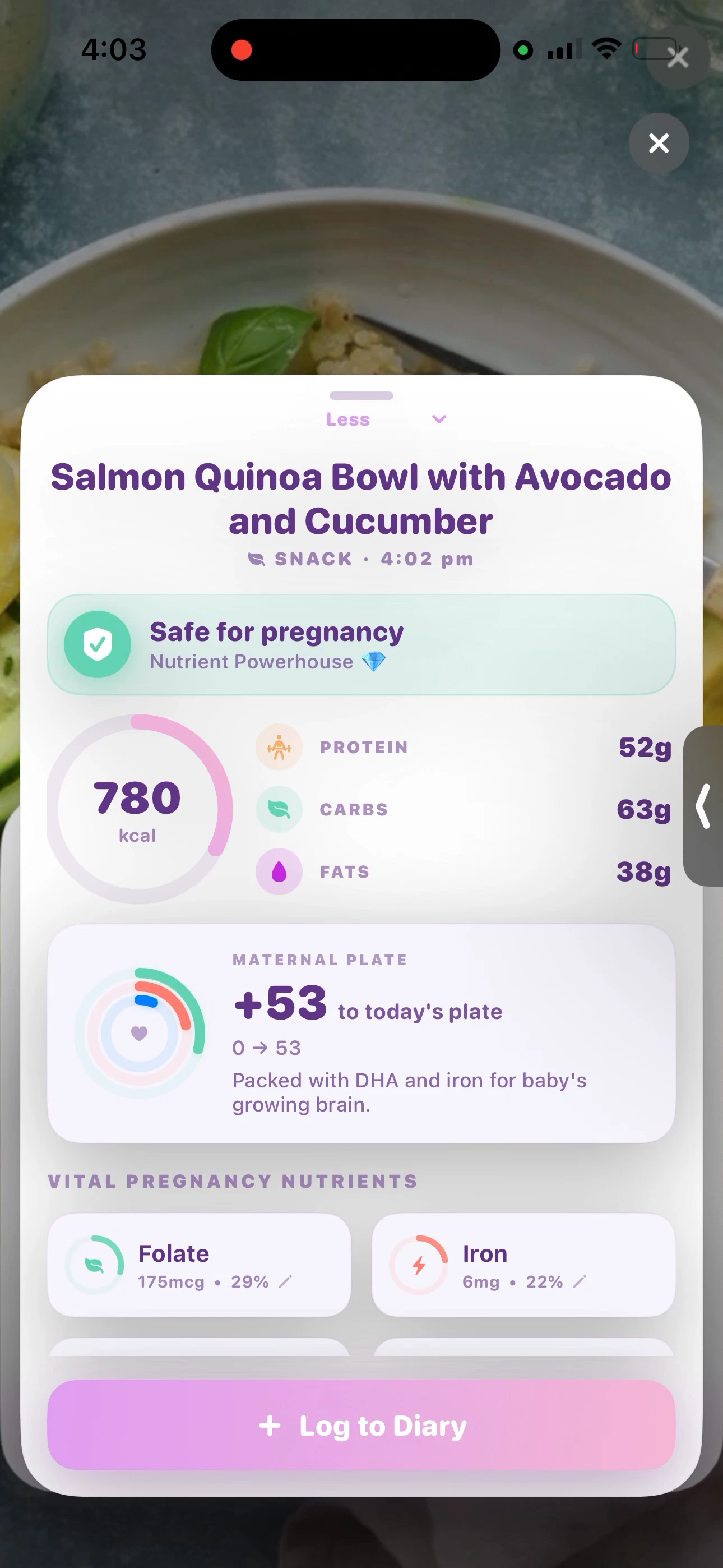
3. Salmon and quinoa salad (omega-3s). Flake cooked salmon over quinoa, cucumber, cherry tomatoes and avocado, with a dill and lemon dressing. Salmon is on the FDA and EPA "Best Choices" list for pregnancy, which recommends 8 to 12 ounces a week of low-mercury fish. Cook it to 145°F, or use canned salmon.
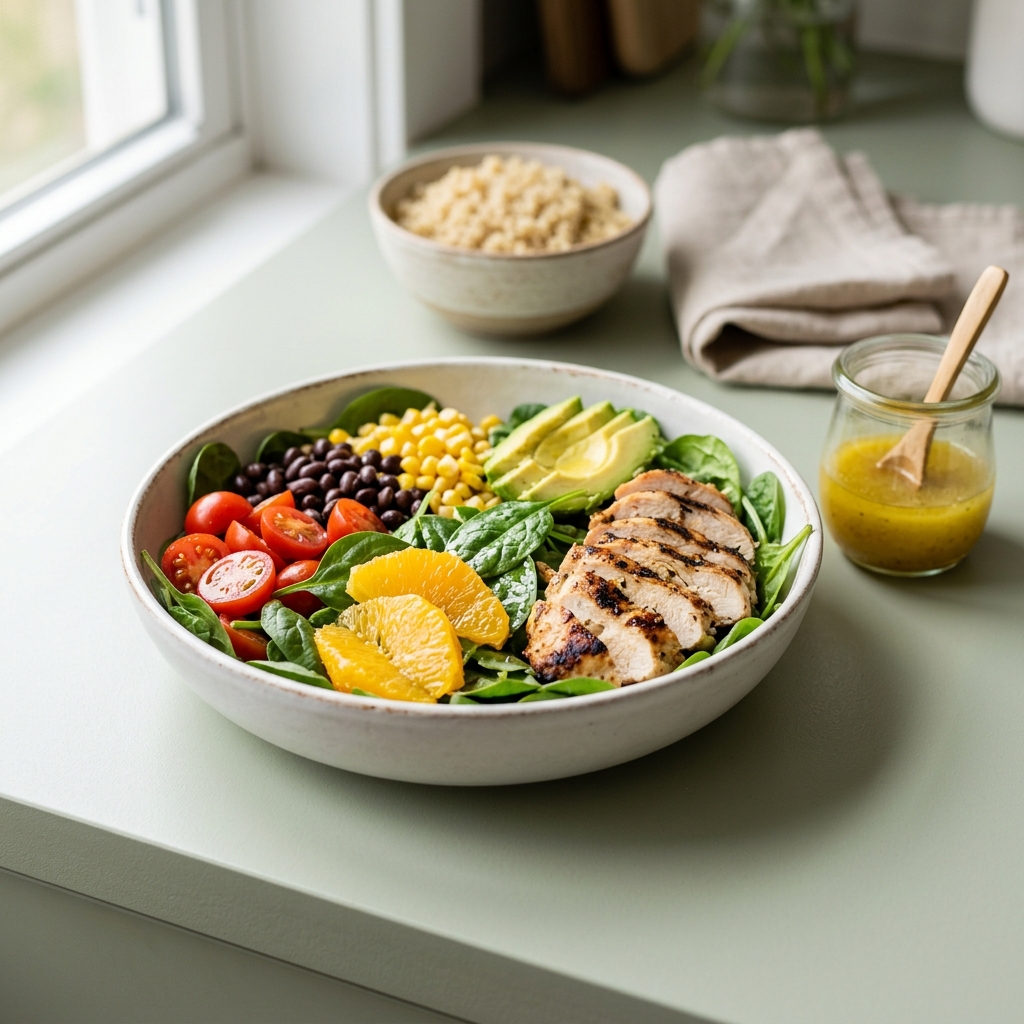
4. Chicken, avocado and corn chopped salad (protein). Chop cooked chicken breast, avocado, corn, black beans, tomatoes and romaine, and dress with lime and olive oil. Cooked chicken from your own fridge is fine cold if it was refrigerated within 2 hours of cooking and eaten within 3 to 4 days. Our guide to eating cold chicken while pregnant covers rotisserie and pre-packed chicken too.
5. Chickpea Greek-style salad (plant protein). Chickpeas, cucumber, tomatoes, red onion, olives, pasteurized feta and a red wine vinaigrette. It keeps well for two days in the fridge, which makes it one of the best salads for packing ahead.
6. Homemade egg and potato salad (comfort food). Boil eggs until the yolks are firm and boil the potatoes, then mix with grocery store mayonnaise, a little mustard, celery and chives. Store-bought mayonnaise is made with pasteurized eggs, so homemade potato salad is fine as long as it goes back in the fridge. Our list of pregnancy-safe mayo brands covers the labels.
7. Tuna and white bean salad (a pantry lunch). Mix canned light tuna with cannellini beans, red onion, parsley, lemon and olive oil. Canned light tuna is a "Best Choice" in the FDA and EPA fish advice, while albacore (white) tuna is a "Good Choice" to keep to one serving a week. Make it yourself rather than buying deli counter tuna salad. Our tuna guide has the full mercury numbers.
8. Shrimp and mango salad (light and bright). Toss cooked shrimp with mango, avocado, red pepper, cilantro and mixed greens, plus a lime and chili dressing. Shrimp is another low-mercury "Best Choice". Cook it until it's opaque all the way through, or buy it already cooked and keep it cold.
9. Turkey taco salad (a family dinner). Brown ground turkey with taco seasoning until it reaches 165°F, and serve it warm over romaine with black beans, corn, tomatoes, shredded cheddar and salsa. Use cheddar or Monterey Jack rather than crumbled queso fresco. Everyone else at the table can build their own bowl.
10. Kale Caesar with chicken or roasted chickpeas. Massage chopped kale with a little bottled Caesar dressing until it softens, then add cooked chicken or crispy roasted chickpeas, shaved Parmesan and croutons. Parmesan is a hard cheese and safe. The bottled dressing keeps the raw egg question out of it.
11. Edamame crunch salad (dairy-free protein). Shredded cabbage, carrots, shelled edamame, cucumber, scallions and peanuts, with a peanut, soy and lime dressing. Edamame is one of the richest plant proteins you can throw into a bowl, which makes this a good choice if meat is off the table right now. Our meat aversion guide has more ideas like this.
12. Caprese with white beans (summer in a bowl). Sliced tomatoes, pasteurized fresh mozzarella, basil, white beans and a drizzle of olive oil and balsamic. Fresh mozzarella made with pasteurized milk is on the CDC's safer list, and the beans turn a side dish into lunch. Our mozzarella guide covers burrata and the other soft Italian cheeses.
Pregnancy Salad Rules in One Box
- Wash whole produce under running water. Don't rewash bagged greens labeled pre-washed.
- Keep bagged salad cold and use it by the date.
- No raw sprouts or raw mushrooms.
- Pasteurized cheese only, and no unheated queso fresco.
- Cooked protein, not cold deli meat or refrigerated smoked salmon.
- Make deli-style salads at home rather than buying them premade.
Packing Salad for Work
Salad is the easiest lunch to prep ahead, as long as you keep the parts separate and the whole thing cold.
- Pack the dressing separately and add it just before eating, so the leaves don't go soggy.
- Cooked proteins keep 3 to 4 days in the fridge, according to the USDA. Cook a batch of chicken or lentils on Sunday and you have salads until Wednesday.
- Use an ice pack if your salad will be out of the fridge for more than 2 hours, or 1 hour on a hot day above 90°F.
- Jar salads work well: dressing at the bottom, then beans and grains, then vegetables, with the leaves at the top.
Our pregnancy lunch ideas for work and Sunday meal prep routine build these into a full week, and our second trimester lunch ideas are worth a look once your appetite comes back.
Salad When You're Nauseous
Cold food often goes down more easily than hot food in the first trimester, because it smells less. A plain salad with crackers, cold cooked chicken and a light lemon dressing can be easier to face than a hot dinner. Skip strong flavors like raw onion and garlic dressings until the nausea settles. ACOG's general advice for morning sickness is small meals, often, so half a salad now and half later is perfectly fine.
Salad and Gestational Diabetes
Salads are a natural fit for gestational diabetes, because the vegetables add bulk and fiber without much effect on blood sugar. Two things to watch: sweet dressings, which can carry more sugar than you'd expect, and candied nuts or dried fruit toppings. Keep the starchy part to the portion your care team has given you, and always include protein. Our gestational diabetes meal plan shows how a salad lunch fits into a full day.
Eating Salad Out
Restaurant and salad bar salads follow the same rules, with one extra: you can't see how long things have been sitting out. Choose busy places, where the toppings get turned over quickly, and look for cold bars that are actually cold. Ask for cheese and protein swaps if a salad comes with queso fresco or cold cuts. Our Sweetgreen pregnancy guide walks through a salad chain menu item by item, and the pregnancy snacks guide has ideas for when a salad won't quite hold you until dinner.
Clinical Sources & Research
- FDA: Selecting and Serving Produce Safely.
- CDC: Preventing Listeria Infection.
- FDA: Outbreak Investigation of Listeria monocytogenes, Dole Packaged Salad (December 2021).
- FDA: Queso Fresco-type Cheeses Consumer Guidance.
- FDA and EPA: Advice About Eating Fish.
- USDA: Safe Minimum Internal Temperature Chart.
- USDA: Leftovers and Food Safety.
- NIH: Folate Fact Sheet for Health Professionals.
- NIH: Iron Fact Sheet for Health Professionals.
- ACOG: Nutrition During Pregnancy.
- ACOG: Morning Sickness: Nausea and Vomiting of Pregnancy.
This article is general information and does not replace advice from your doctor, midwife or dietitian. If you have gestational diabetes, a food allergy or another condition that affects your diet, follow the plan your care team has given you.
Meet the Editorial Team
The researchers and experts behind PregnancyPlate.

Fiza Izra
Founder & Tech Researcher
A UK-based mother of 3 with a background in tech and data synthesis, Fiza brings real-world experience navigating hyperemesis gravidarum and postnatal depression. She engineers complex clinical guidelines (NHS, ACOG) into accessible tools, ensuring rigorous fact-checking with deep empathy.

Emma Davies
Senior Nutrition Editor
A mum and writer, Emma runs our food safety desk. She is the one who rings the restaurant to ask how long the lettuce sits out, checks every claim against CDC, FDA and NHS guidance, and rewrites the answer until it is usable at 9pm in a drive-thru queue.
Make sense of every plate.
Scan your plate for pregnancy food-safety guidance and a nutrition breakdown. Keep your meals and nutrient progress in one place.
Scan with your iPhoneto get the app