Is Applebee's Safe During Pregnancy? Shared Starters, Burgers and What to Ask
Almost nothing here is restricted in pregnancy. The real issue is shared appetisers going cold on the table. What to order, and the two asks that cover it.
In this article
Editorial note: This article is researched from official public health and pregnancy food safety guidance, then edited by the PregnancyPlate team for clarity. It is not medical advice. If you are worried about symptoms or a specific exposure, contact your midwife, GP or healthcare provider.
The Fast Answer: Applebee's is straightforward in pregnancy. Almost everything arrives hot from a fryer, grill or skillet, and there's no raw fish, deli counter or unpasteurised cheese on the menu. Two asks cover it: burgers and steaks cooked through, with no pink, and shared appetisers eaten while they're still hot rather than picked at for an hour. Salads and cold dips are the only items where sitting time matters.
Track your nutrition in seconds in the PregnancyPlate AppSafety is step one. Nutrition helps your baby thrive.
Knowing a meal is safe does not tell you whether you are getting enough iron, folate, calcium and choline. PregnancyPlate tracks all of it from a photo of your plate.
- See nutrient progress
- Scan meals instantly
- Nourish with confidence
 Scan to download
Open with iPhone camera
Scan to download
Open with iPhone camera
Casual dining chains are where most people end up when a group decides where to eat, and pregnancy makes you read the menu differently. The useful news is that this one has very little on it that pregnancy guidance actually restricts.
What it does have is a lot of shared plates, which changes the question from what to order to when to eat it.
The Shared Appetiser Problem
This is the part that genuinely matters here, and almost nobody thinks about it.
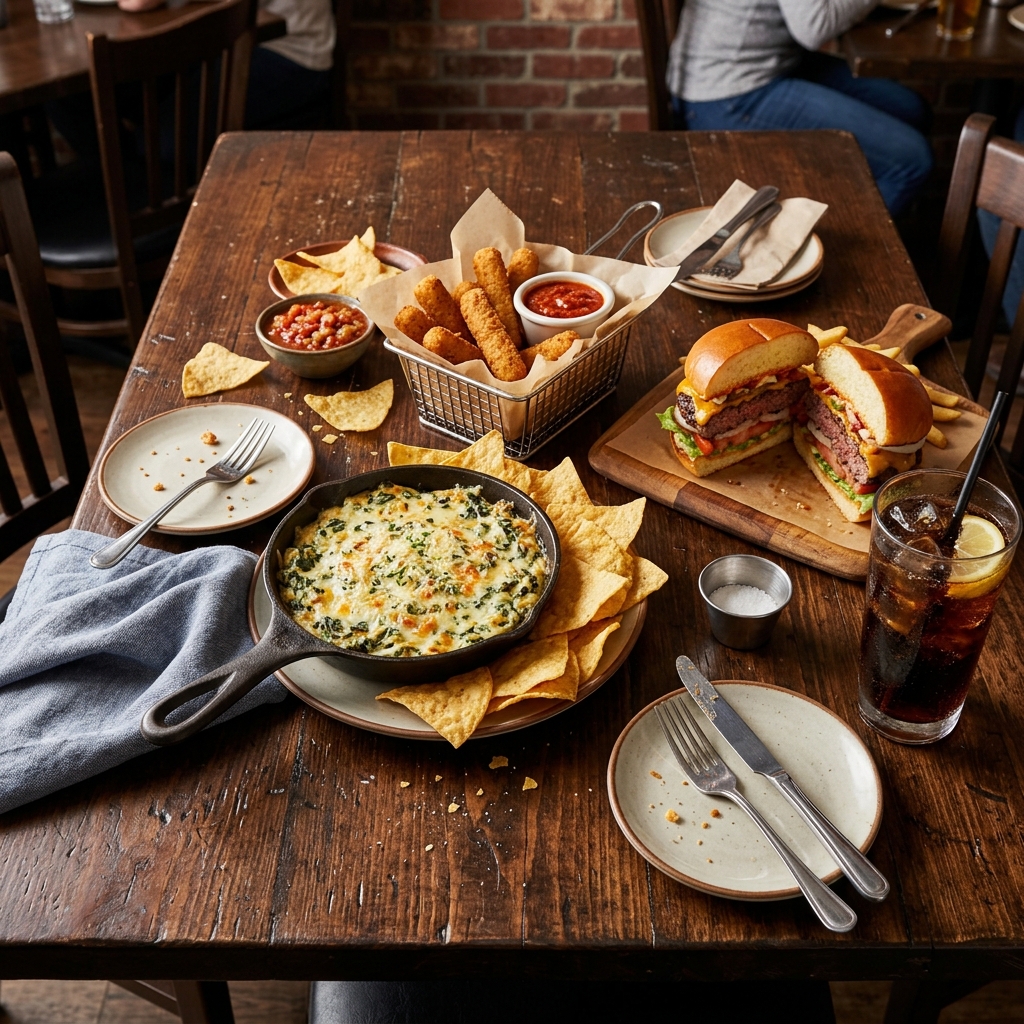
Appetisers arrive for the table, and then everyone talks. A spinach and artichoke dip that came out steaming is lukewarm forty minutes later. Mozzarella sticks go from hot to room temperature while the drinks order is sorted out.
Hot food is safe while it's hot. The risk window opens as it cools and sits, which is the same reasoning behind the two hour rule for leftovers. Bacteria multiply fastest in the middle range between fridge cold and properly hot.
So take what you want from the shared plates early, while they're still hot, and treat the plate as finished once it's gone cold. That's the single most useful habit at a restaurant like this, and it costs nothing.
The dips are the worst offenders, because a warm cheese or spinach dip looks appetising long after it has stopped being hot.
One more thing about shared plates that is easy to miss. If someone at the table has been double dipping, or a serving spoon has been used for two different dishes, that is a hygiene question rather than a pregnancy one, but it is a reasonable moment to take your own portion onto a side plate at the start rather than eating from the middle all evening.
The Menu, Item by Item
Menus change and vary by location, so use the pattern rather than only the list.
| Item | Verdict | Notes |
|---|---|---|
| Spinach and artichoke dip | Safe hot | Cheese is pasteurised and it's served hot. Eat it early rather than late. |
| Mozzarella sticks, pretzels, wontons | Safe | Fried or baked through. Beer cheese dip contains a trace of alcohol, cooked into a sauce. |
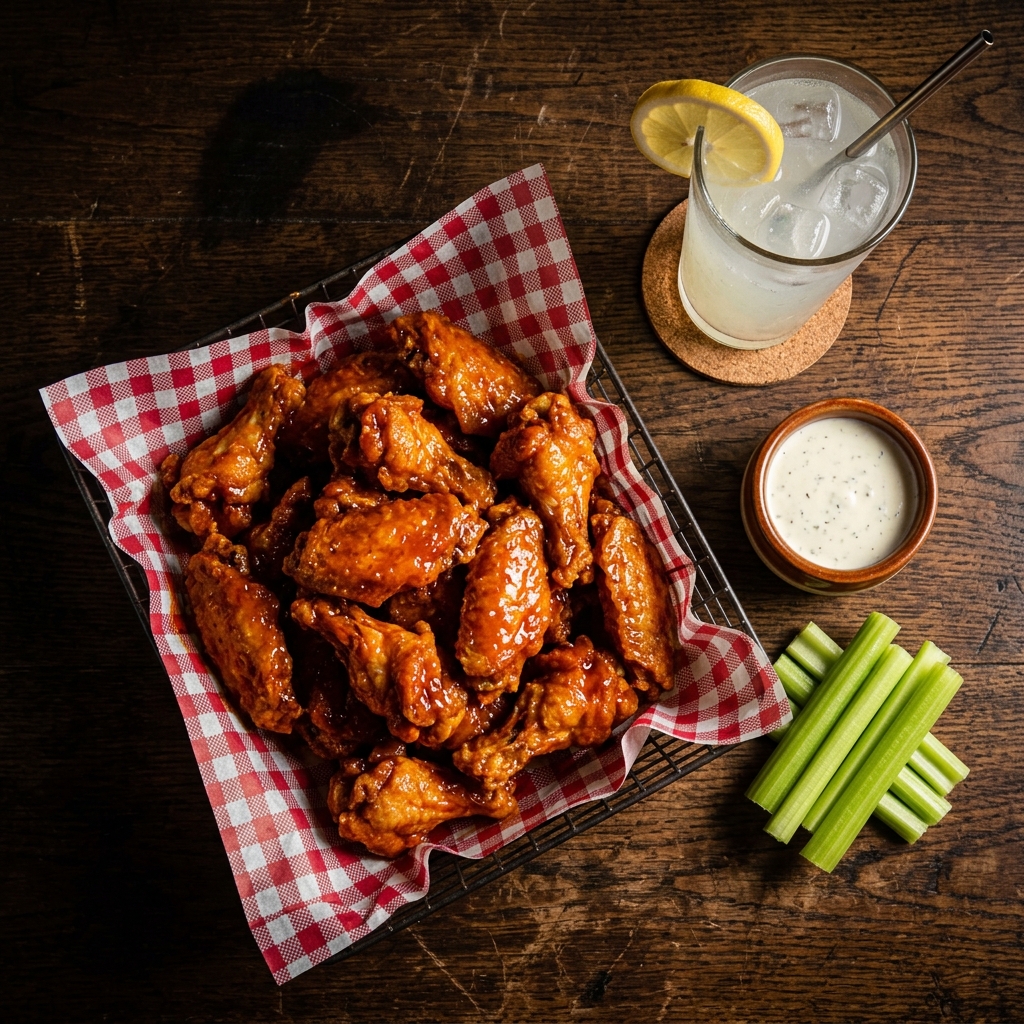
| Boneless wings | Safe | Breaded chicken breast, cooked through and sauced to order. |
| Burgers | Ask for well done | Minced beef must be cooked right through. No pink at all. |
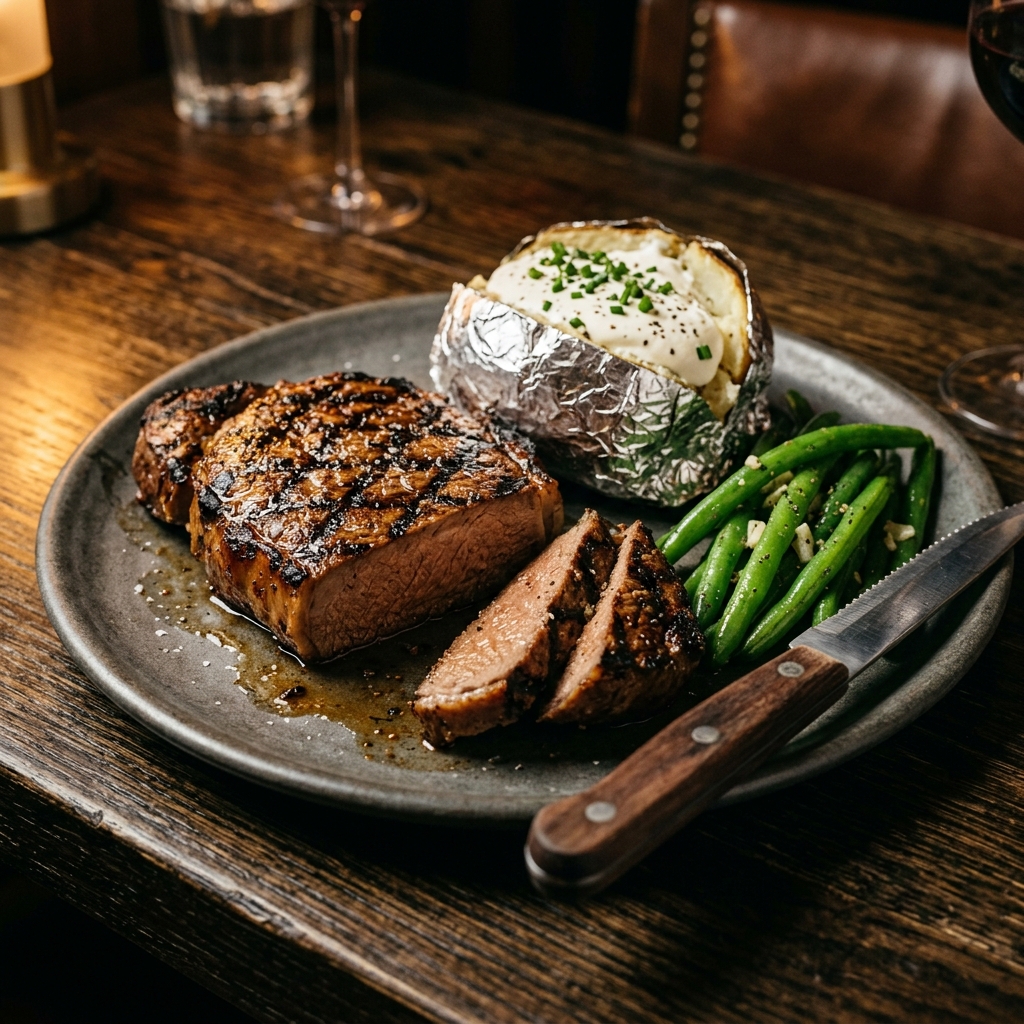
| Steaks | Ask for medium-well | Whole cuts are safe from medium upwards. Medium-well leaves room for error. |
| Riblets and baby back ribs | Safe | Slow cooked through, then glazed and served hot. |
| Grilled chicken and chicken skillets | Safe | Cooked through. Check nothing is pink at the thickest part. |
| Shrimp dishes | Safe cooked | Should be pink and opaque throughout, never grey or glassy. |
| Pasta and bowls | Safe hot | Cream and cheese sauces are made with pasteurised dairy. |
| Salads | Mild caution | Raw leaves and pre-made dressing. Fine fresh. Check for blue cheese. |
| Desserts | Safe | Baked, and the ice cream is a commercial pasteurised product. |
| Cocktails and beer | No | No known safe amount of alcohol in pregnancy. Ask for a mocktail. |
Burgers and Steaks Are Different Rules
Worth knowing why the two asks aren't the same, because it explains what you're actually requesting.
On a whole cut of steak, bacteria sit on the outside surface. Searing kills them, which is why steak is safe from a true medium upwards, around 63°C (145°F) in the centre, followed by a rest.
On a burger, the meat is minced, so anything that was on the surface is now mixed all the way through. That's why a burger has to be cooked right through every time, with no pink and clear juices.
Pregnancy adds toxoplasmosis on top of the bacterial picture, a parasite that can sit within the muscle rather than only on the surface, which is why pregnancy advice about pink meat is stricter than general food safety advice. Our steakhouse guide goes through the doneness temperatures in detail.
In practice: "well done, no pink" for a burger, "medium-well" for a steak. Both are normal requests and neither needs explaining.
Applebee's in One Box
- Eat shared appetisers hot, not after forty minutes of talking.
- Burgers well done, steaks medium-well.
- Check salads for blue cheese and swap the dressing if you'd rather.
- Portions are large. Boxing half at the start beats struggling.
- Sodium is high across the menu, which shows up as swelling later.
Salads, Dressings and Blue Cheese
The only cold item worth a second thought.
Blue cheese is mould-ripened, and UK guidance advises avoiding blue and soft mould-ripened cheeses in pregnancy unless cooked, even when pasteurised. US guidance is more relaxed and treats pasteurised blue cheese as acceptable. Restaurant blue cheese dressing in the US is a commercial pasteurised product.
If you'd rather not weigh that up mid-meal, ranch, honey mustard and vinaigrettes are all simple swaps. Our pregnancy cheese guide sets out both positions.
The leaves themselves follow the usual rule: fine when fresh and cold, not worth it when wilted or warm. Our restaurant lettuce guide covers that side.
Portions, Sodium and How You'll Feel Later
Nothing here is unsafe. This is about the rest of your evening.
Portions are large. Several burgers on this menu run well over a thousand calories before sides. That isn't a reason for guilt, but in the third trimester there's genuinely less room, and a plate you can't finish is frustrating. Asking for a box when the food arrives, and putting half away immediately, works better than deciding at the end.
Sodium. Fried appetisers, glazed ribs, cheese sauces and fries together carry a lot of salt. In the second half of pregnancy that often shows up the same night as swollen feet and fingers. Our swelling guide covers what helps, and drinking water alongside genuinely does.
Heartburn. Fried food, cheese and a large late meal is close to the worst combination once the baby is pressing upwards. Eating earlier, choosing grilled over fried, and staying upright for an hour afterwards all help. Our heartburn guide ranks the triggers.
Drinks, and the Awkward Bit
Applebee's is known for cheap cocktails, which makes a pregnancy visit socially awkward more than it makes it complicated.
Alcohol is the clear no. Current UK and US advice is that no amount is known to be safe in pregnancy. Being around other people drinking is entirely fine and affects nothing.
Most locations will make a mocktail, a lemonade or a soda with lime without any fuss, and having something that looks like a drink in your hand tends to cut the number of questions. If you'd rather not announce anything, ordering first usually settles it.
One thing to count: cola and iced tea contain caffeine, and free refills make it easy to get through several. The pregnancy limit is 200mg a day across everything, and a few refills alongside a coffee earlier makes a dent in that.
Ordering With Nausea
First trimester changes what works here more than safety does.
Casual dining restaurants are loud, warm and full of competing smells, which is its own problem before you have ordered anything. A booth away from the kitchen helps, and so does asking for your food when everyone else orders starters rather than waiting through two courses on an empty stomach.
On the menu itself, plain and starchy tends to beat rich and sauced. Grilled chicken with rice or a baked potato, plain pasta, or even a side of fries and some bread will sit better than a cheese-heavy skillet. Ordering a starter as your main is completely reasonable and often more realistic.
If the smell of someone else's meal is the trigger, and it often is, sitting at the end of the table rather than in the middle makes a genuine difference.
The Two for One Deals
Worth a note, because the deals shape what people order.
Two-for-one and combination deals usually pair a large main with a fried starter or a dessert, which is a lot of food in one sitting at a point when your stomach capacity is shrinking. Splitting a deal with someone, or taking the second half home, gets you the value without the discomfort.
The drinks deals are the other half of it, and those are simply not relevant in pregnancy. It is worth checking what non-alcoholic options are included, since some locations count soft drinks and mocktails towards the same offers.
Making the Plate Work Harder
If you're here anyway, a few choices turn it into a decent pregnancy meal.
Steak and burgers bring heme iron, the form your body absorbs best, and pregnancy roughly doubles your iron requirement to around 27mg a day. Our iron guide explains the difference between that and plant iron.
Grilled chicken or shrimp with vegetables is the lighter option when a fried plate feels like too much, which it often does in the first trimester.
Swap one fried side for a vegetable or a side salad. Fibre matters more than usual when pregnancy slows digestion down.
Add something acidic. Tomato, lemon or a vinaigrette alongside an iron-rich main helps you absorb more of it.
If you've been diagnosed with gestational diabetes, the grilled proteins and vegetables are your friends here, while the glazed ribs, breaded items and sweet cocktails are the parts to limit. Our gestational diabetes meal plan shows the pattern.
Leftovers
Given the portions, most people leave with a box.
Get it into the fridge within two hours, eat it within two days, and reheat once until steaming hot rather than warm. Cold cooked meat from the fridge is fine if it was chilled promptly.
The thing to avoid is the box riding around in a warm car while you go on somewhere else, which is the most common way restaurant leftovers stop being safe. Our leftovers in pregnancy guide has the timings, and if you think something was undercooked, our food poisoning guide covers what to watch for.
The short version: ask for meat cooked through, eat the shared starters while they're hot, and this is one of the easier group dinners you'll have while pregnant.
Clinical Sources & Research
This article is general information and does not replace advice from your midwife, GP or obstetrician. Menus vary by location and change over time.
Meet the Editorial Team
The researchers and experts behind PregnancyPlate.

Fiza Izra
Founder & Tech Researcher
A UK-based mother of 3 with a background in tech and data synthesis, Fiza brings real-world experience navigating hyperemesis gravidarum and postnatal depression. She engineers complex clinical guidelines (NHS, ACOG) into accessible tools, ensuring rigorous fact-checking with deep empathy.

Emma Davies
Senior Nutrition Editor
A mum and writer, Emma runs our food safety desk. She is the one who rings the restaurant to ask how long the lettuce sits out, checks every claim against CDC, FDA and NHS guidance, and rewrites the answer until it is usable at 9pm in a drive-thru queue.