Metallic Taste in Pregnancy: Why It Happens and What to Eat
That coin-in-the-mouth taste is called dysgeusia, it is hormonal, and it usually fades by the second trimester. What genuinely cuts through it in the meantime.
In this article
Editorial note: This article is researched from official public health and pregnancy food safety guidance, then edited by the PregnancyPlate team for clarity. It is not medical advice. If you are worried about symptoms or a specific exposure, contact your midwife, GP or healthcare provider.
The Fast Answer: The metallic taste has a name, dysgeusia, and it is hormonal rather than anything you have done. It usually arrives in the first trimester and fades by the second. What cuts through it is sharp and acidic: citrus, vinegar, pickles, tart fruit. Two things worth trying immediately are plastic or bamboo cutlery instead of metal, and a bicarbonate of soda mouth rinse, both of which help more than they sound like they should.
Track what you manage to eat in the PregnancyPlate AppYour next meal, a little less guesswork.
Scan your plate for pregnancy food-safety guidance and a nutrition breakdown. Keep your meals and nutrient progress in one place.
 Scan with your iPhone
to get the app
It is one of the strangest early pregnancy symptoms and one of the least warned about. Everything tastes faintly of coins. Water tastes wrong. Foods you have eaten happily for years become inedible, and nobody mentioned this was on the list.
It is extremely common, it has a proper name, and it does end.
Why It Happens
Dysgeusia is a change in taste perception, and in pregnancy it is driven mainly by hormones. Oestrogen is involved in regulating taste, and the surge in early pregnancy appears to alter how taste receptors behave.
It usually shows up in the first trimester, often very early, and for most women eases considerably by around weeks 13 to 16. A minority have it for longer, and some notice it returning briefly later on.
It travels with the other early oddities: heightened smell, sudden aversions, and the nausea that all of these feed into. A metallic taste makes food less appealing, which makes eating harder, which makes nausea worse on an empty stomach. Our first trimester nausea guide covers that cycle.
What Cuts Through It
Sharp, acidic and cold. That is the short version, and it works because those flavours are strong enough to override the metallic background.
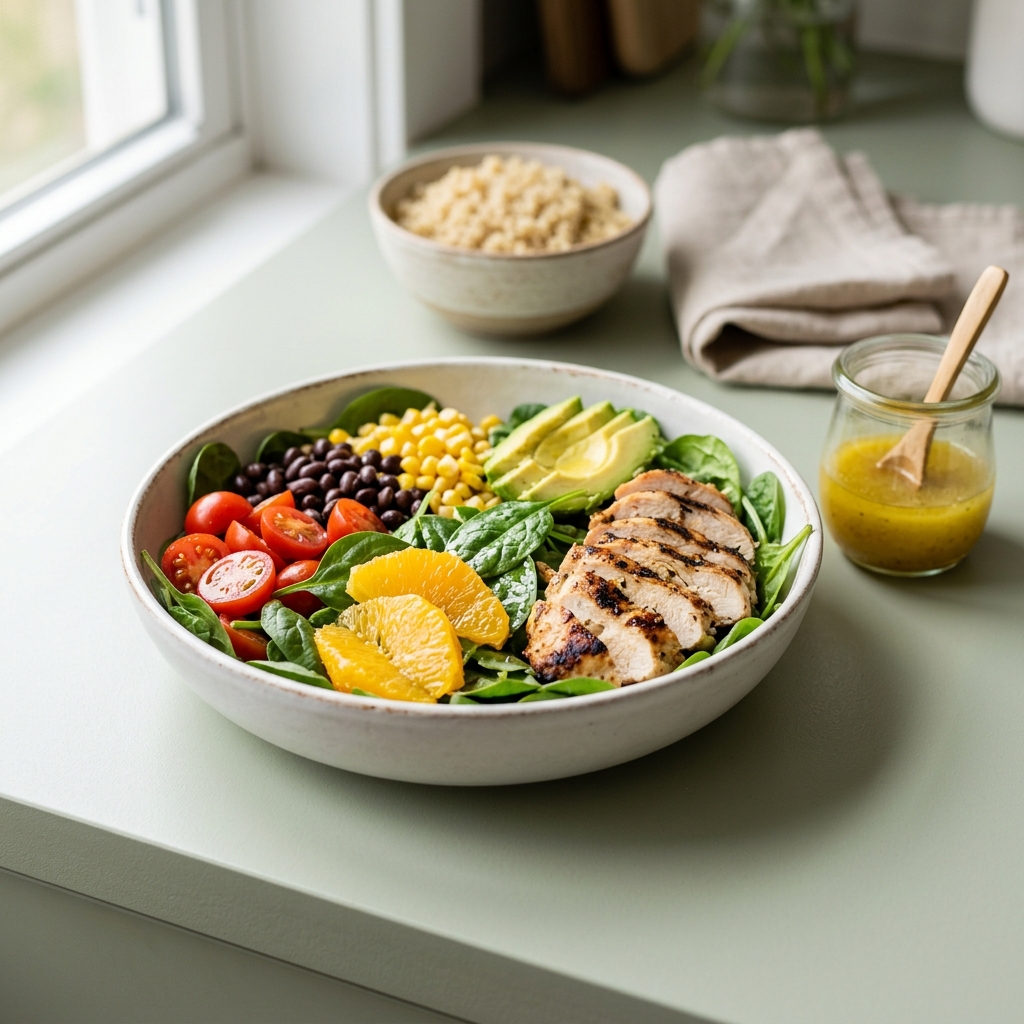
Citrus. Lemon and lime in water, on fish, over salad. Lemon sorbet. A wedge of orange. This is the single most reliable category.
Vinegar and pickled things. Pickles, gherkins, salt and vinegar crisps, vinaigrette. There is a reason the pickle craving cliché exists.
Tart fruit. Green apples, berries, kiwi, pineapple.
Marinate meat and fish in citrus, vinegar or yogurt before cooking. Plain meat is often the worst offender, and marinating changes it substantially.
Mint. Fresh mint in water, mint tea, sugar-free mints or gum between meals.
Cold over hot. Cold food carries less smell and often tastes less metallic. The same principle that helps with nausea.
Salt more than usual. Within reason, salt masks metallic notes effectively.
The Two Tricks Worth Trying First
Both cost almost nothing and both help more than seems plausible.
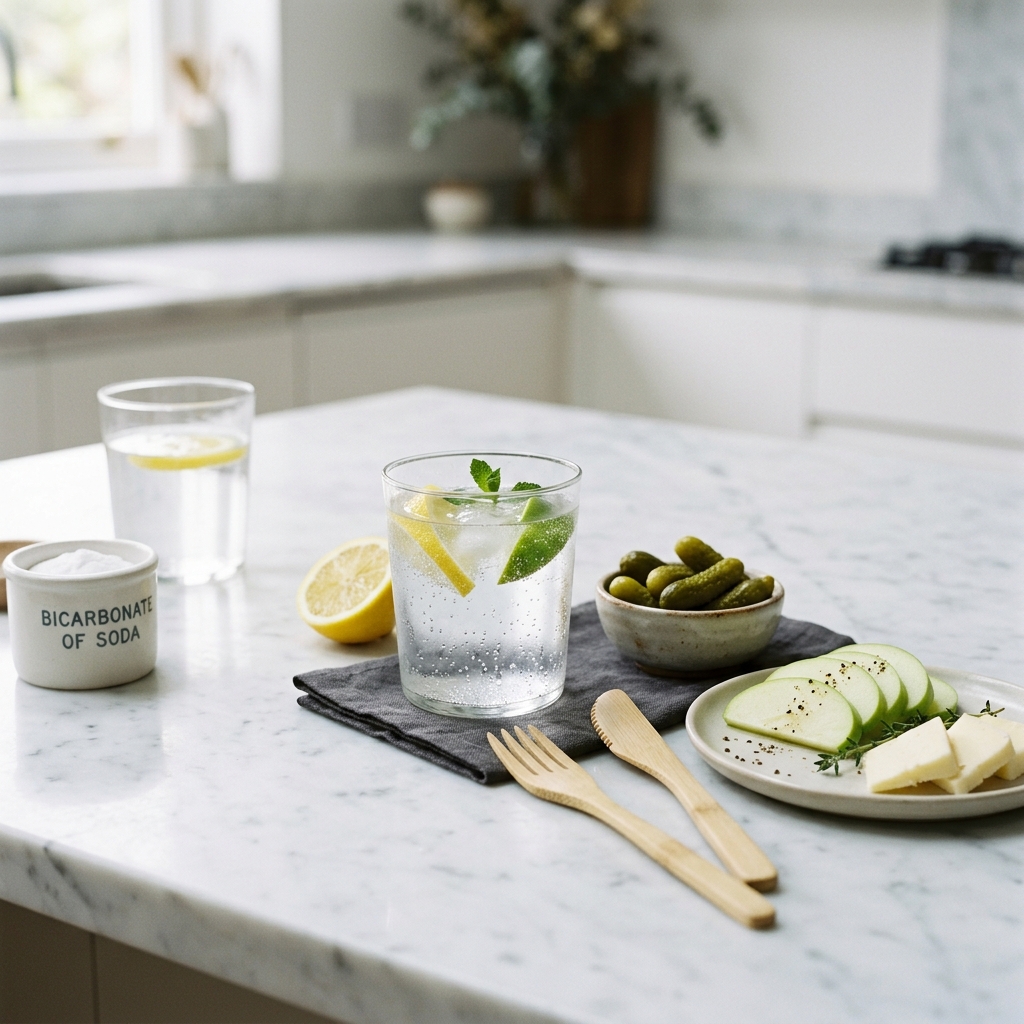
Swap your cutlery. Plastic, wooden or bamboo instead of stainless steel. Metal cutlery contributes its own faint metallic note that you normally never notice, and removing it makes a genuine difference when your taste is already skewed that way. Same for drinking from glass or ceramic rather than a metal bottle.
Rinse with bicarbonate of soda. Half a teaspoon in a glass of warm water, swirled and spat out, before eating. It neutralises acidity in the mouth and resets your palate briefly. A salt water rinse does something similar.
Brushing your teeth and tongue more often helps too, and there is a practical reason: pregnancy makes gums more prone to inflammation and bleeding, and blood in the mouth contributes its own metallic taste. If your gums bleed when you brush, that is worth mentioning at a dental check, which is free during pregnancy and for a year after in the UK.
Metallic Taste in One Box
- It is hormonal, called dysgeusia, and usually fades by the second trimester.
- Sharp and acidic cuts through it. Citrus, vinegar, pickles, tart fruit.
- Swap metal cutlery for plastic, wood or bamboo.
- Bicarbonate of soda rinse before eating resets your palate.
- Check your prenatal. Iron in it can make the taste worse.
The Other Taste Changes
Metallic is the most talked about, but early pregnancy scrambles taste in several directions at once and it helps to know they are all the same phenomenon.
Everything tastes too salty, or oddly sweet, or simply muted and cardboard-like.
A food you have always loved becomes repulsive. Coffee, meat and eggs are the classic three. Forcing them tends to entrench the aversion, so let them go and come back in a few weeks.
Your sense of smell sharpens dramatically, which is closely tied to taste. A great deal of what reads as a taste problem is actually a smell problem, which is why cold food helps: it releases less aroma.
Excess saliva, sometimes with a constant unpleasant taste. Less common, genuinely unpleasant, and it also usually passes with the first trimester.
All of it is the same hormonal shift and all of it typically settles on a similar timeline. It is not a sign that anything is wrong, and it does not mean your diet needs correcting.
Your Prenatal Might Be Making It Worse
Worth checking, because it is a common contributor and an easy adjustment.
Iron supplements have a metallic taste of their own, and prenatal vitamins containing iron can add to the problem, particularly if you take them on an empty stomach in the morning when the taste is often worst.
Things to try: take it in the evening with food instead, try a different form such as a coated tablet or a gummy, or take it with orange juice, which both masks the taste and improves iron absorption.
What not to do is stop taking it. Folic acid in the first trimester is the one supplement that genuinely matters most. If you cannot tolerate your current one at all, speak to a pharmacist about alternatives rather than simply abandoning it. Our prenatal gaps guide covers what it is doing for you.
Meals That Tend to Survive It
Practical suggestions rather than principles, because at 8am with a mouth full of coins nobody wants a framework.
Breakfast: Greek yogurt with berries and a squeeze of lemon. Toast with marmite, which is salty enough to override most things. Porridge with stewed tart apple. Cold cereal, which is often more tolerable than anything cooked.
Lunch: a sandwich with plenty of pickle or mustard. Lemony couscous with feta and tomatoes. Soup with a decent splash of vinegar stirred in. Cheese and crackers with chutney.
Dinner: anything marinated in citrus or yogurt. Fish with lemon. Stir fry with rice vinegar and ginger. Tomato-based pasta, which is naturally acidic. Fajitas with lime.
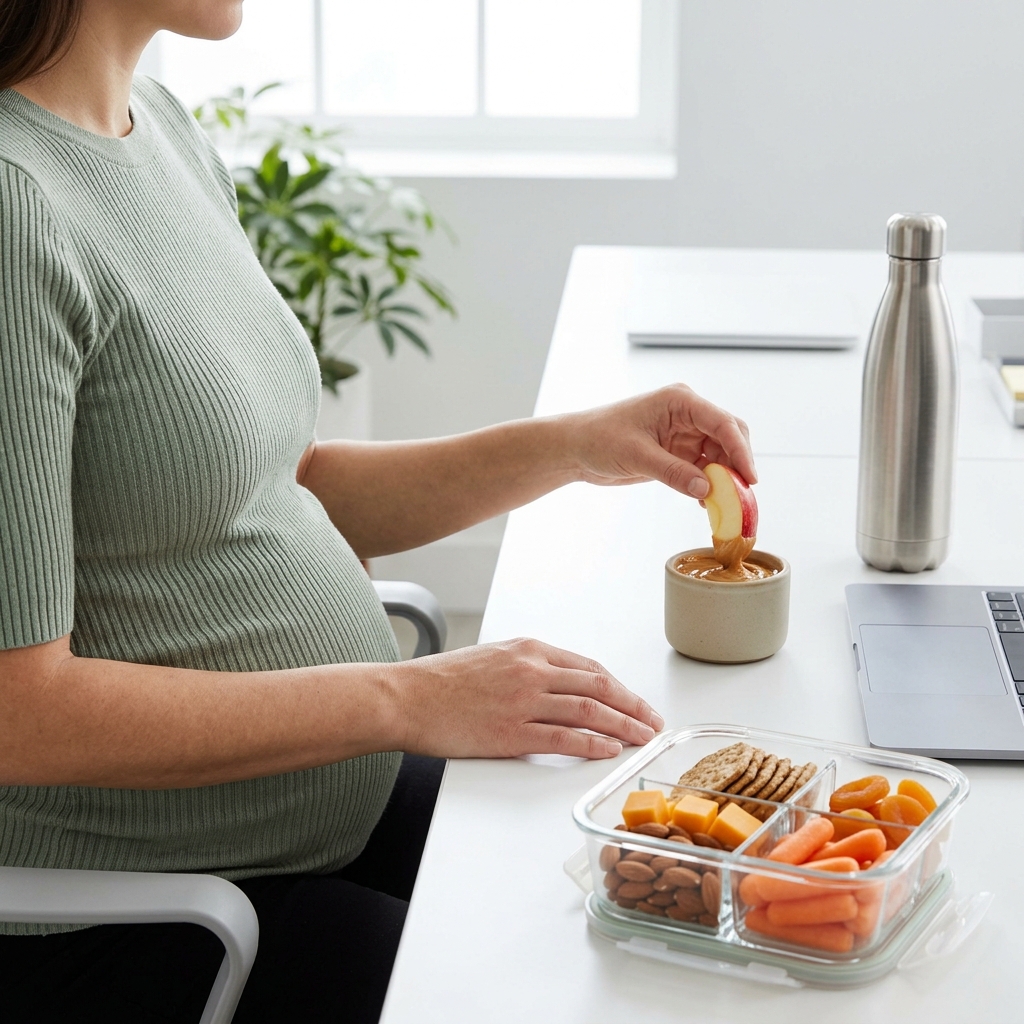
Snacks: salt and vinegar crisps, frozen grapes, pickled gherkins straight from the jar, citrus segments, tart green apple with cheese.
The pattern is that plain, mild and warm food is the hardest, and anything with acid, salt or a strong flavour is easiest. That is close to the opposite of the bland-food advice usually given for nausea, which is why the two symptoms together are genuinely awkward to manage. If you have both, cold and mildly acidic is usually the overlap: yogurt with fruit, cold pasta salad, a cheese and pickle sandwich.
When Water Tastes Wrong
A specific and genuinely miserable version of this, and it matters because it puts you off drinking.
Options that usually work: add lemon, lime or cucumber. Try sparkling water, which many women find far more tolerable than still. Drink it very cold, or through a straw so it bypasses more of the tongue. Try different bottled waters, since mineral content varies and one may taste noticeably better to you than another. Herbal teas and diluted squash both count toward your fluids.
The important thing is not to simply drink less. Dehydration worsens nausea, headaches and fatigue, and it is easy to slide into when water is unappealing. Our hydration guide covers what you actually need.
When to Mention It
Dysgeusia itself is harmless and needs no treatment. A few situations are worth raising.
If it is stopping you eating or drinking enough to the point of losing weight or becoming dehydrated. That crosses into territory covered by our breakfast and nausea guidance, and if you cannot keep fluids down at all it needs same-day advice.
If it starts suddenly later in pregnancy rather than early, or is accompanied by mouth pain, ulcers or bleeding gums that do not settle.
If it persists well after birth, since by then hormones are no longer the explanation and it is worth a look.
Otherwise this is one of the pregnancy symptoms with a genuinely good prognosis. It is odd, it is unfair, it makes your favourite meal taste like cutlery, and it almost always goes away on its own by the middle of the second trimester.
Clinical Sources & Research
Meet the Editorial Team
The researchers and experts behind PregnancyPlate.

Fiza Izra
Founder & Tech Researcher
A UK-based mother of 3 with a background in tech and data synthesis, Fiza brings real-world experience navigating hyperemesis gravidarum and postnatal depression. She engineers complex clinical guidelines (NHS, ACOG) into accessible tools, ensuring rigorous fact-checking with deep empathy.

Emma Davies
Senior Nutrition Editor
A mum and writer, Emma runs our food safety desk. She is the one who rings the restaurant to ask how long the lettuce sits out, checks every claim against CDC, FDA and NHS guidance, and rewrites the answer until it is usable at 9pm in a drive-thru queue.
Make sense of every plate.
Scan your plate for pregnancy food-safety guidance and a nutrition breakdown. Keep your meals and nutrient progress in one place.
Scan with your iPhoneto get the app