Best Foods for the Second Trimester (Weeks 13-27): Your Ultimate Diet Plan
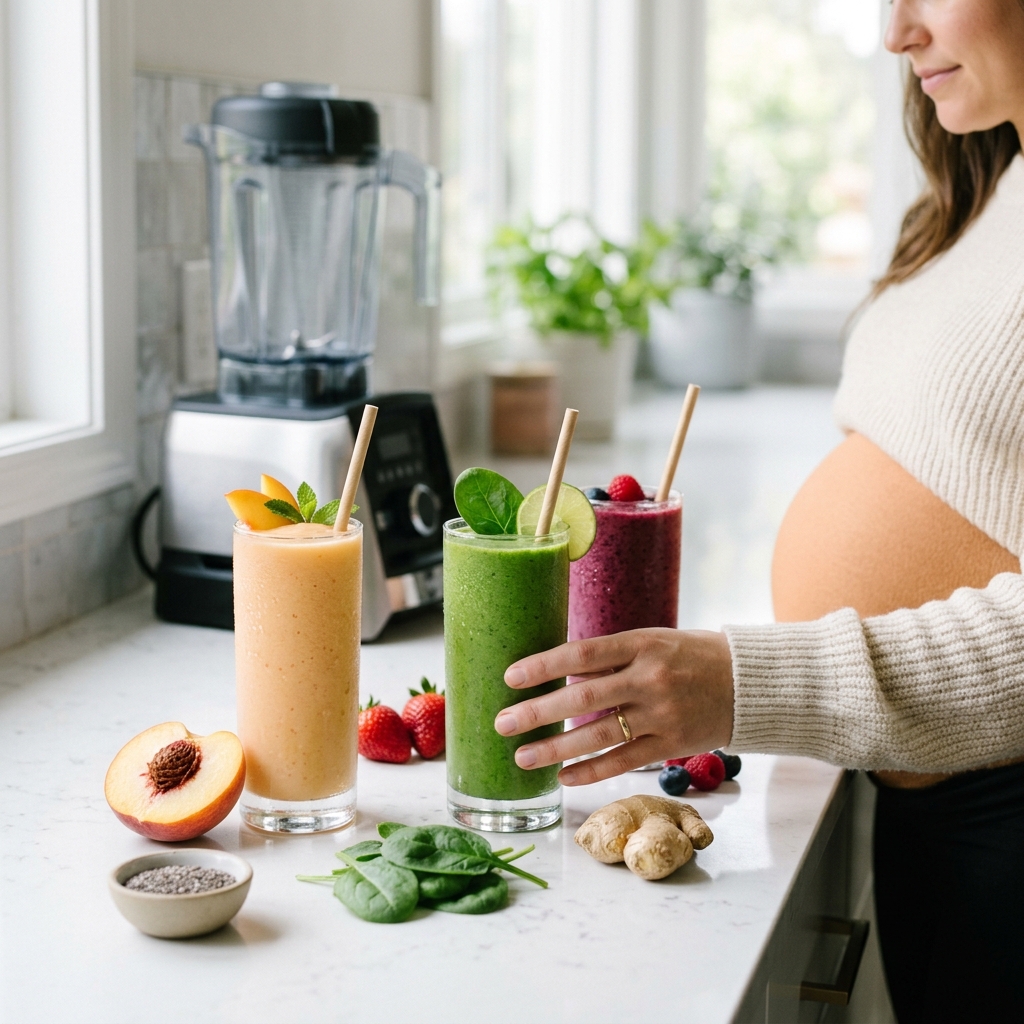
Welcome to the 'honeymoon phase' of pregnancy! As your energy returns and baby's growth accelerates, here are the exact foods you need to build strong bones, prevent anemia, and fuel the second trimester.
In this article

Editorial note: This article is researched from official public health and pregnancy food safety guidance, then edited by the PregnancyPlate team for clarity. It is not medical advice. If you are worried about symptoms or a specific exposure, contact your midwife, GP or healthcare provider.
The Fast Answer: In your second trimester (Weeks 13-27), your caloric needs slightly increase as your baby's skeletal system begins a massive, rapid growth spurt. However, if you don't adjust your macros correctly, your body will literally pull the required nutrients directly from your own bones and teeth. Scroll down to learn the four critical micronutrients you must prioritize right now to protect your own maternal reserves.
Track Your Second Trimester Macros in the AppWelcome to the "Honeymoon Phase"
If you've made it to Week 13, take a deep breath. For many women, the crushing nausea and debilitating fatigue of the first trimester begin to lift. Your appetite returns, food stops smelling like a biohazard, and you actually want to eat again. This is exactly why the second trimester is universally hailed as the "honeymoon phase" of pregnancy.
But the second trimester isn't just about enjoying food again - it is a critical window of fetal development. During these 14 weeks, your baby will grow from the size of a lemon to the size of a cauliflower. Their skeleton will harden, their brain will form complex neural pathways, their hearing will develop, and they will begin to practice breathing movements. To fuel this, your body has to work overtime, increasing your blood volume by nearly 50% to ensure a healthy placenta and proper nutrient delivery.
The "Eat For Two" Myth vs. Reality
It's the most common piece of unsolicited advice you'll hear from well-meaning relatives: "Eat up, you're eating for two now!" While comforting, it's nutritionally inaccurate and can lead to excessive weight gain that complicates later pregnancy, increasing the risk of gestational diabetes and preeclampsia.
In the second trimester, you do not need double the calories. According to major health organizations, you only need about 300 to 350 extra calories per day above your baseline maintenance level. If you were eating 2,000 calories before pregnancy, your target is simply 2,300 to 2,350.
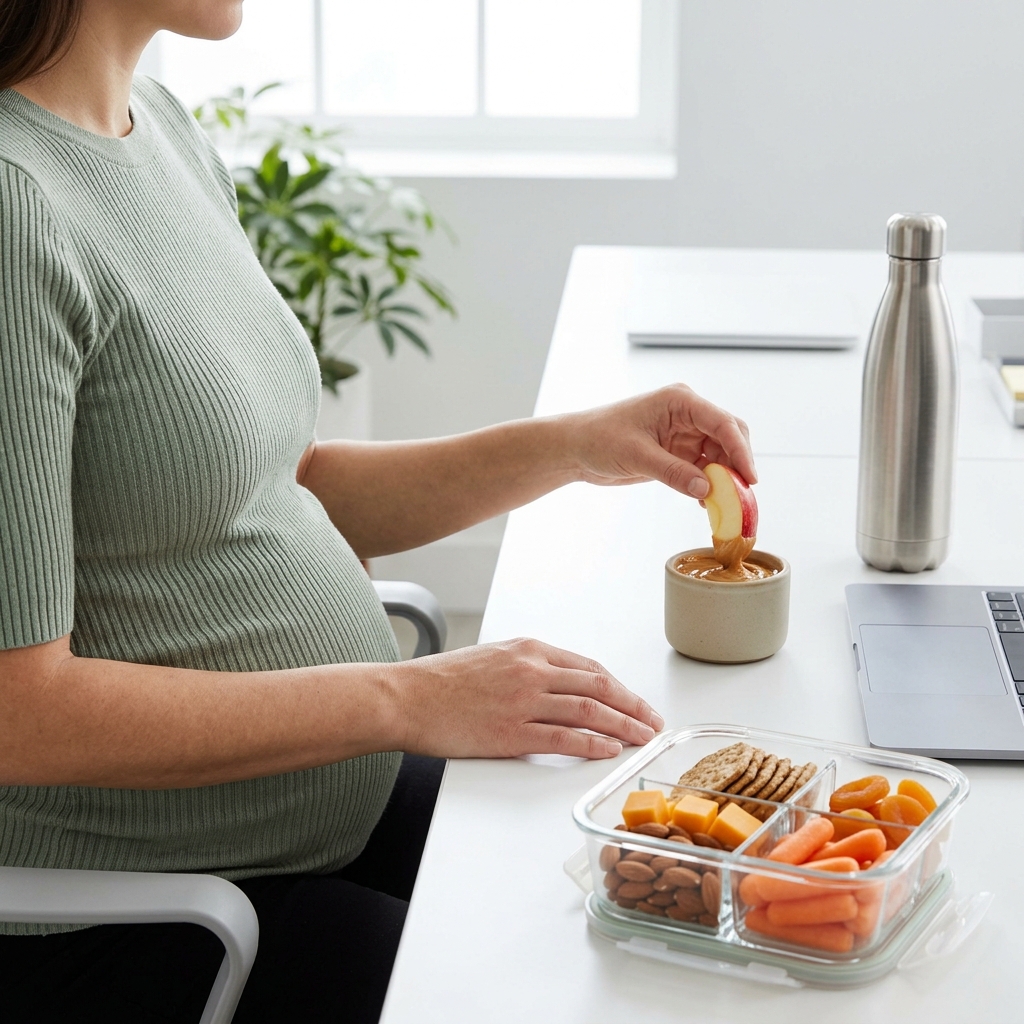
To put that into perspective, 300 calories is simply an apple with two tablespoons of peanut butter and a glass of milk. Or half an avocado on a piece of whole-grain toast. The goal in the second trimester is nutrient density, not caloric volume. Every bite you take should be packed with vitamins and minerals rather than empty refined sugars.
The Big 5: Nutrients You Must Prioritise
1. Iron: Building Your Blood Supply
Because your blood volume increases so dramatically to supply the placenta, your body needs a massive amount of iron to produce hemoglobin. If you don't get enough, you risk maternal anemia, which can lead to extreme fatigue, shortness of breath, and a higher risk of preterm delivery.
- Best Sources: Lean grass-fed beef, spinach, lentils, kidney beans, and iron-fortified cereals.
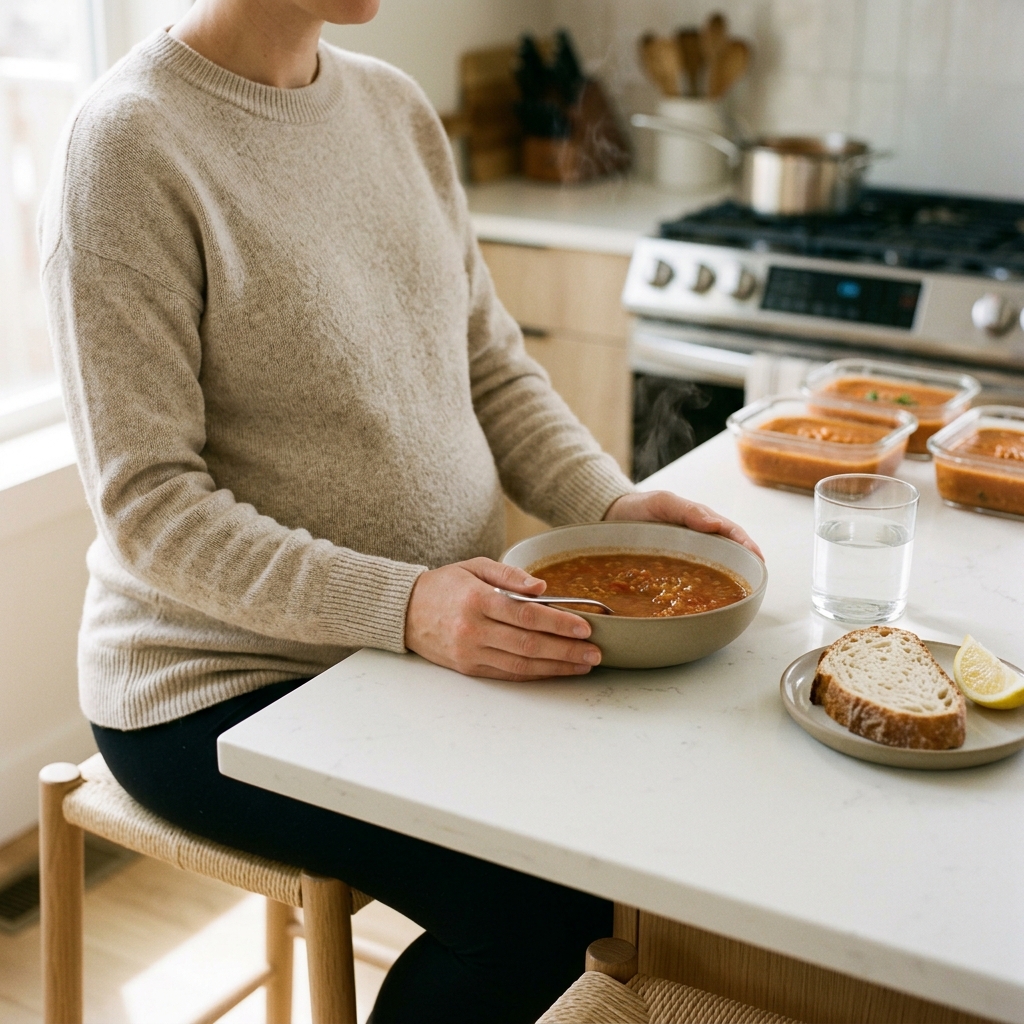
- Pro-Tip: Always pair plant-based iron (like spinach or beans) with Vitamin C (like bell peppers, tomatoes, or a squeeze of lemon juice). Vitamin C can increase the absorption of non-heme (plant) iron by up to 300%. If you struggle with eating meat, check out our guide on surviving pregnancy meat aversions.
2. Calcium: Hardening the Skeleton
Around Week 20, your baby's bones are rapidly ossifying (hardening). If your diet is deficient in calcium, your baby won't suffer - but you will. Your body will literally leach calcium from your own bones and teeth to ensure the baby gets what they need, putting you at risk for osteoporosis later in life.
- Best Sources: Pasteurized milk, Greek yogurt, hard cheeses (like Cheddar or Parmesan), almonds, and fortified plant milks. Wondering about soft cheeses? Read our guide on eating Feta and Halloumi safely.
- The Goal: 1,000 mg of calcium per day (about 3-4 servings of dairy or fortified alternatives).
3. Vitamin D: The Calcium Conductor
Calcium is essentially useless without Vitamin D, which acts as the physiological "key" that allows your body to absorb calcium from your gut into your bloodstream. It also plays a vital role in your baby's developing immune system.
- Best Sources: Safe, low-mercury fatty fish (like salmon), egg yolks, fortified milks, and safe, moderate sun exposure.
4. Omega-3 DHA: Brain & Eye Development
Docosahexaenoic acid (DHA) is a specific type of Omega-3 fatty acid that makes up a massive percentage of the human brain and retina. The second trimester is when the baby's brain undergoes rapid structural development, making DHA absolutely non-negotiable.
- Best Sources: Wild-caught salmon, sardines, walnuts, chia seeds, and high-quality prenatal DHA supplements. For a deep dive, read our comprehensive DHA guide here.
5. Magnesium: The Muscle Relaxer
If you've ever been jolted awake at 3 AM by a crippling calf cramp, you need magnesium. Magnesium helps regulate muscle contractions and nerve function. As your uterus grows, muscle spasms become incredibly common.
- Best Sources: Pumpkin seeds, almonds, black beans, dark chocolate, and bananas.
📱 Stop Guessing Your Macros
Are you actually hitting your 1,000mg of Calcium and 27mg of Iron today? Don't leave it to chance. PregnancyPlate is the only AI food tracker built specifically for prenatal macros. Scan your plate, track your nutrients, and ensure your baby is getting exactly what they need.
Download the Free App TodayA Perfect Second Trimester Day of Eating
Wondering how to put all of this dietary science together into a real, satisfying menu? Here is a blueprint for a nutrient-dense, second-trimester day that hits all the major macro and micro targets:
Breakfast: The Iron & Protein Powerhouse
Two eggs scrambled with spinach and tomatoes, served with a slice of whole-grain toast.
Why it works: The eggs provide choline (essential for brain health and neural tube defect prevention), the spinach provides iron, and the tomatoes provide the Vitamin C needed to actually absorb that iron. The whole-grain toast adds crucial dietary fiber.
Morning Snack: The Calcium Boost
A cup of full-fat Greek yogurt with chia seeds and mixed berries.
Why it works: Greek yogurt is packed with calcium and protein. Chia seeds deliver a hit of plant-based Omega-3s and fiber, while berries provide antioxidants while keeping your blood sugar completely stable to avoid mid-morning crashes.
Lunch: The Hydration & Folate Fix
A large salad with mixed greens, grilled chicken, chickpeas, cucumbers, and a lemon-olive oil dressing.
Why it works: Mixed greens are an excellent source of natural folate. The chicken provides clean, high-quality protein to build fetal tissue, and the chickpeas offer both protein and a massive dose of fiber. If you're eating at a restaurant, ensure your salads are washed thoroughly.
Afternoon Snack: The "300 Calorie" Sweet Spot
An apple sliced with two tablespoons of almond butter and a handful of walnuts.
Why it works: This perfectly hits that 300-calorie extra energy requirement, while providing healthy fats, vitamin E, and a satisfying crunch that keeps you full until dinner.
Dinner: The Omega-3 Finisher
Baked wild-caught salmon, quinoa, and steamed broccoli drizzled with olive oil.
Why it works: Salmon is the undisputed king of pregnancy-safe DHA. Quinoa is a complete plant protein that provides magnesium, and broccoli is a double-threat of calcium and fiber.
Midnight Snack: The Heartburn Soother
A small glass of warm pasteurized milk with a pinch of nutmeg, or a plain rice cake.
Why it works: The dairy acts as a natural antacid to coat your esophagus, while the rice cake provides bland, easy-to-digest carbs to settle your stomach before bed without triggering acid reflux.
Hydration: The Silent Super-Nutrient
While we focus heavily on solid food, hydration is arguably the most important element of your second-trimester diet. Your body is producing amniotic fluid (which replaces itself entirely every few hours), increasing blood volume, and flushing out waste for two people.
The Rule of Thumb: You should be drinking a minimum of 80 to 100 ounces (about 2.5 to 3 liters) of water every single day. If you struggle with plain water, try infusing it with lemon, cucumber, or mint. Coconut water is also fantastic as it naturally replenishes electrolytes (potassium, sodium, magnesium) which helps prevent leg cramps.
Managing Common Second Trimester Symptoms with Food
1. The Constipation Warning
As your uterus expands in the second trimester, it places increasing physical pressure on your bowels. Combined with the relaxing effect of the hormone progesterone on your digestive tract, constipation can become a severe and incredibly uncomfortable issue.
To combat this naturally, you must aggressively increase your water intake and ensure you are eating 25-30 grams of fiber. Pears, prunes, lentils, chia seeds, and oats are your best friends during this phase. If you are struggling, read our 25-food master guide to pregnancy constipation relief.
2. The Heartburn Reality
Just when the nausea ends, the heartburn begins. That same progesterone that relaxes your bowels also relaxes the esophageal sphincter, allowing stomach acid to creep back up into your throat, especially when lying down.
To mitigate this, avoid eating large meals. Instead, graze on 5 to 6 smaller meals throughout the day. You should also avoid extremely acidic foods like raw citrus, rich tomato sauces, and heavily spiced curries. Read our full breakdown on why spicy food causes heartburn here.
Foods to Limit or Avoid in the Second Trimester
While your nausea may have faded, your immune system is still suppressed during pregnancy, making food safety just as critical now as it was in week 6.
- High-Mercury Fish: Avoid Swordfish, Shark, King Mackerel, and Bigeye Tuna completely. Stick to safe options like Salmon, Shrimp, and Light Canned Tuna (in moderation). Check our Tilapia and Mercury guide for more seafood safety.
- Unpasteurized Dairy: Avoid raw milk and cheeses made from raw milk (like certain unpasteurized French Bries) due to the severe Listeria risk. Always check the label for the word "pasteurized." Queso fresco is the exception: the FDA advises avoiding it even when pasteurized, unless it is cooked into a dish until steaming hot.
- Cold Deli Meats: Unless heated until steaming hot (165°F), cold cuts can harbor Listeria. This includes fast food. Read our full Subway and fast-food sub safety guide here.
- Excessive Caffeine: Stick to the clinical limit of 200mg per day (about one 12oz cup of coffee). If you are ordering at a cafe, be careful with hidden caffeine in refreshers and teas. Read our Starbucks safe ordering guide.
- Soft-Serve Ice Cream: The machines used to dispense soft serve can sometimes harbor bacteria if not cleaned properly. Read our Dairy Queen and Soft Serve safety breakdown before hitting the drive-thru.
The Bottom Line
The second trimester is a golden window of opportunity. You finally have the appetite to eat well, and your baby is at a stage where they rapidly absorb the building blocks of their entire physical body. Focus on whole foods, prioritize your iron, calcium, and magnesium, heavily track your macros using the PregnancyPlate app, and don't stress about hitting absolute perfection every single day. Consistency, not perfection, is what matters for a healthy pregnancy.
Clinical References
- NHS UK: Have a Healthy Diet in Pregnancy Guidelines.
- Mayo Clinic: Pregnancy diet: Focus on these essential nutrients.
- National Institutes of Health (NIH): Iron Fact Sheet for Health Professionals.
- National Institutes of Health (NIH): Calcium Fact Sheet for Health Professionals.
- March of Dimes: Eating Healthy During Pregnancy.
The second trimester is also when your energy needs genuinely rise, by roughly 340 calories a day. Our pregnancy calorie calculator shows what that looks like in real food, which is less than most people expect.
Meet the Editorial Team
The researchers and experts behind PregnancyPlate.

Fiza Izra
Founder & Tech Researcher
A UK-based mother of 3 with a background in tech and data synthesis, Fiza brings real-world experience navigating hyperemesis gravidarum and postnatal depression. She engineers complex clinical guidelines (NHS, ACOG) into accessible tools, ensuring rigorous fact-checking with deep empathy.

Emma Davies
Senior Nutrition Editor
A mum and writer, Emma runs our food safety desk. She is the one who rings the restaurant to ask how long the lettuce sits out, checks every claim against CDC, FDA and NHS guidance, and rewrites the answer until it is usable at 9pm in a drive-thru queue.